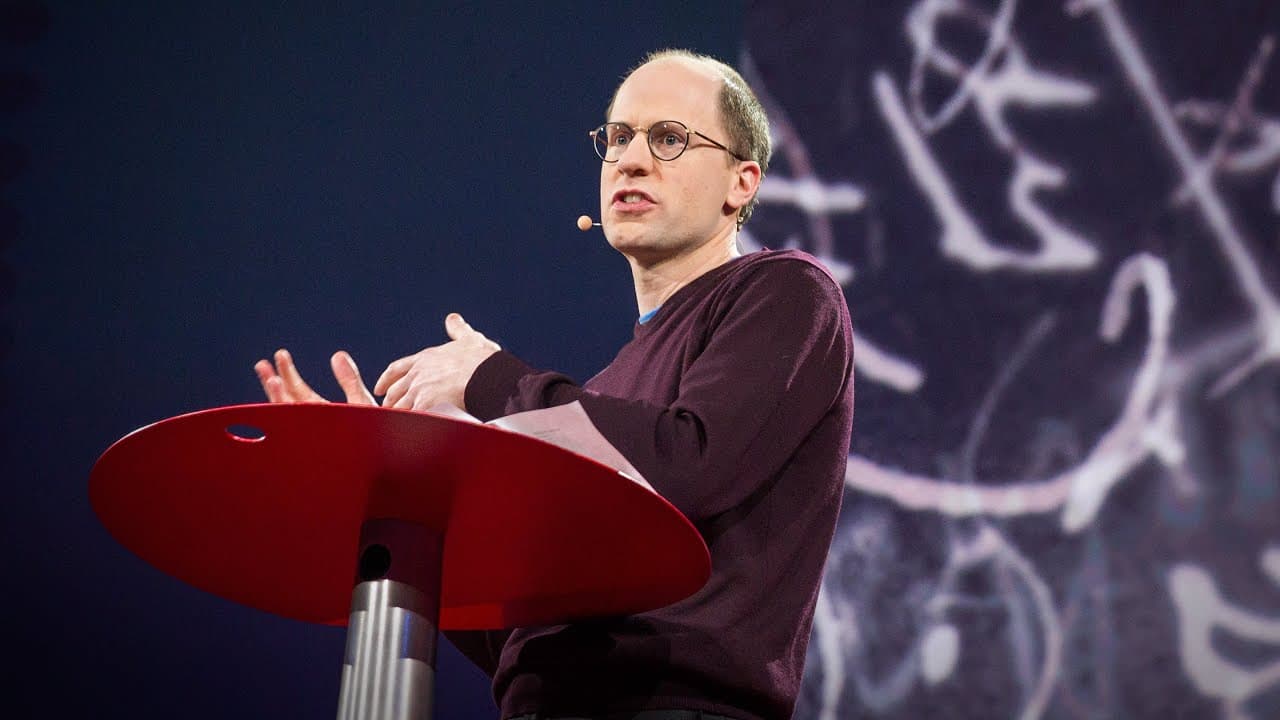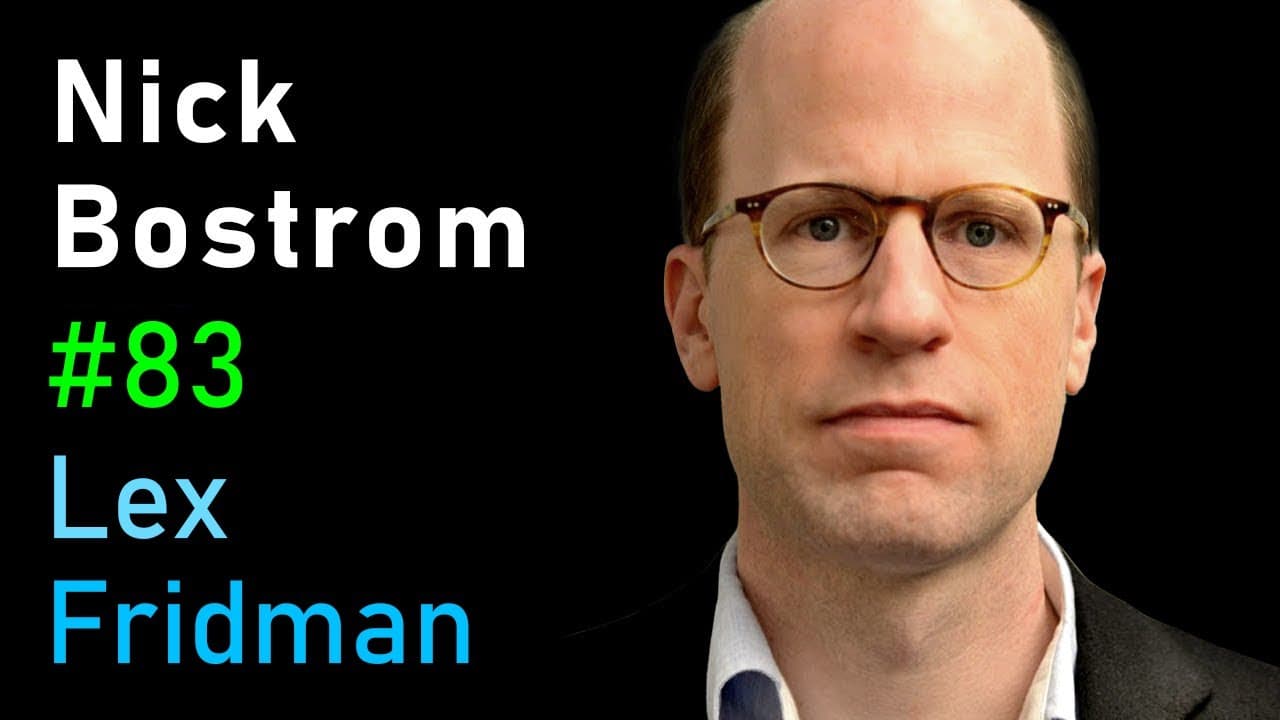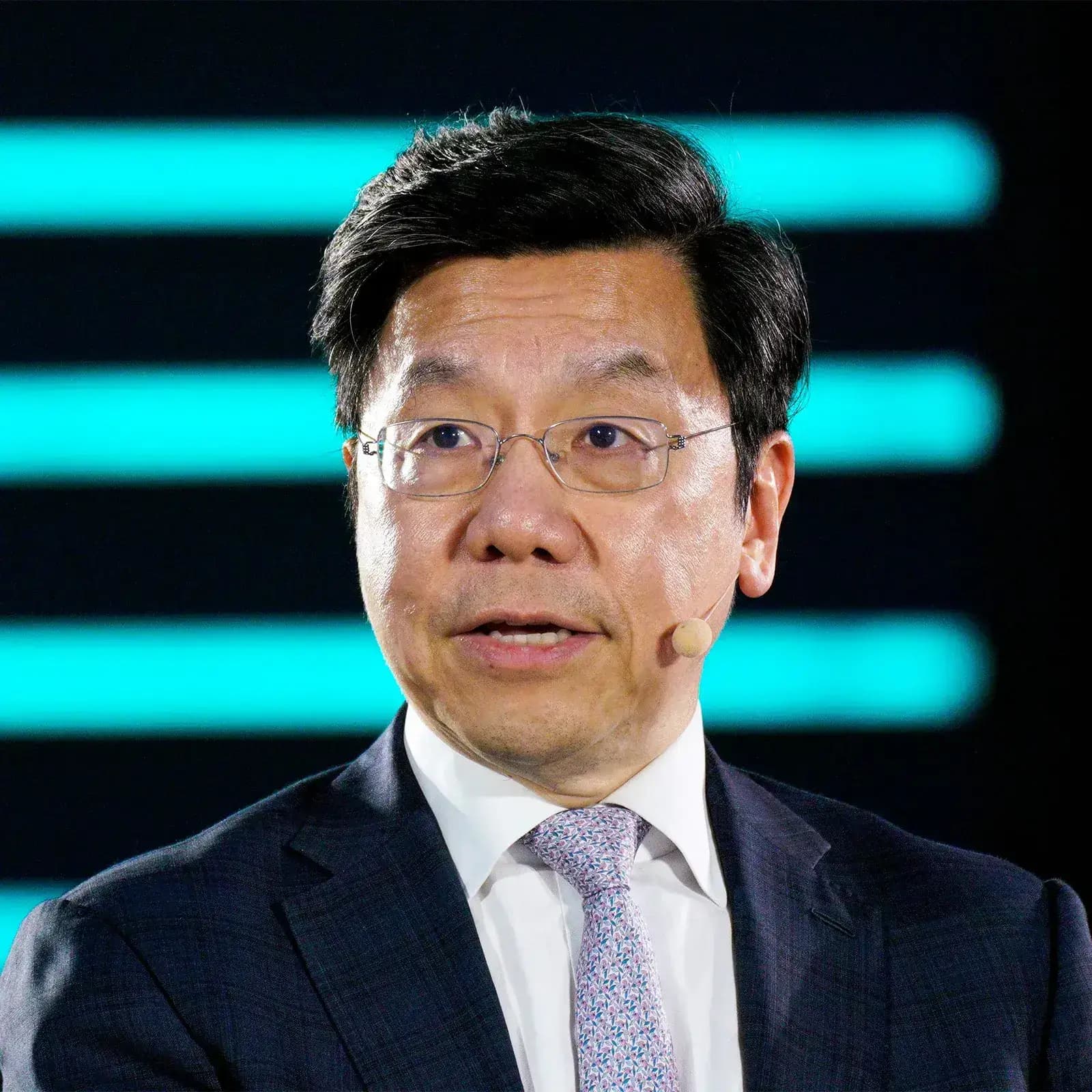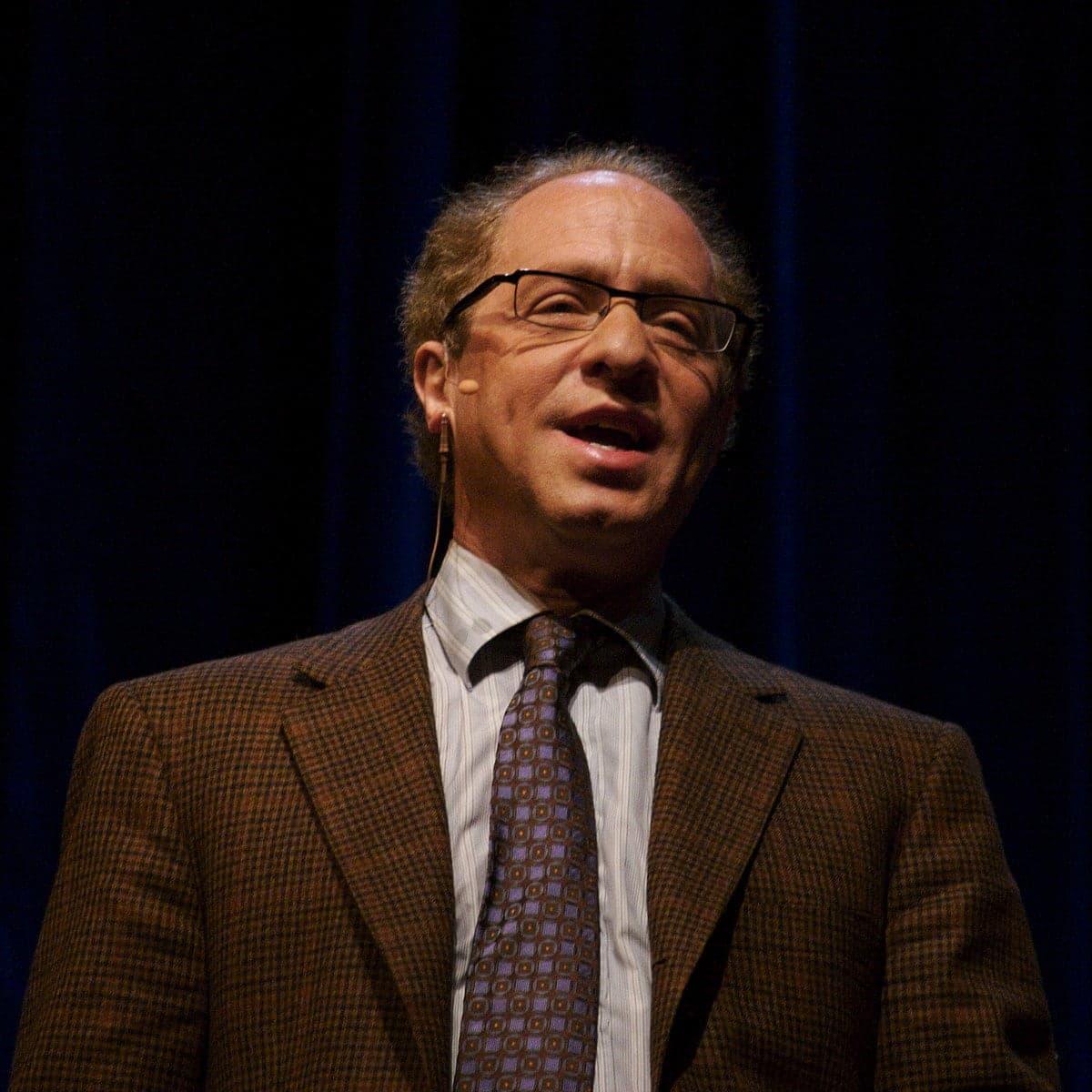

Dr. Nick Bostrom is a Professor in the Faculty of Philosophy at Oxford University and the founding Director of the Future of Humanity Institute (FHI). He is one of the world's most cited philosophers under the age of 50, renowned for his rigorous, multidisciplinary work on global priorities and humanity's biggest questions, particularly the profound risks and potential of future technology.
Bostrom’s unique perspective is built on a diverse academic background spanning physics, computational neuroscience, mathematical logic, and philosophy. He is best known for his influential work in five key areas, including existential risk, the simulation argument, and anthropics—where he developed the first mathematically explicit theory of observation selection effects. This combination of deep scientific and philosophical expertise has made him a pivotal figure in shaping the current global conversation about technology and the human future.
His international recognition is extensive; he is the author of over 200 publications and was the recipient of the prestigious Eugene R. Gannon Award. He was also included on Prospect magazine’s World Thinkers list, where he was the highest-ranked analytic philosopher. His writings, which include Global Catastrophic Risks and Human Enhancement, have been translated into 24 languages, underscoring the widespread impact of his ideas.
As a highly sought-after keynote speaker, Dr. Bostrom challenges audiences to engage in strategic foresight, providing a necessary, intellectually demanding framework for evaluating the long-term implications of technological progress. His latest book, Deep Utopia: Life and Meaning in a Solved World, continues his mission to prompt careful consideration about the most fundamental questions facing humanity in an age of accelerating technology.