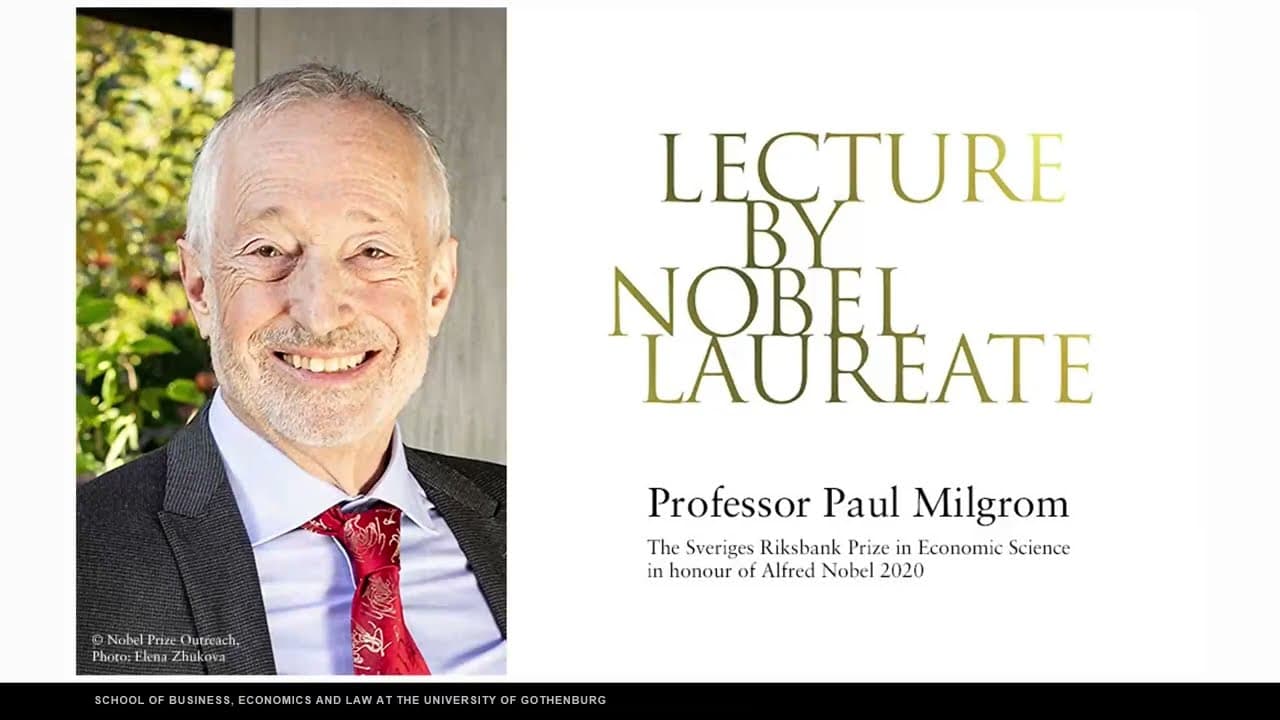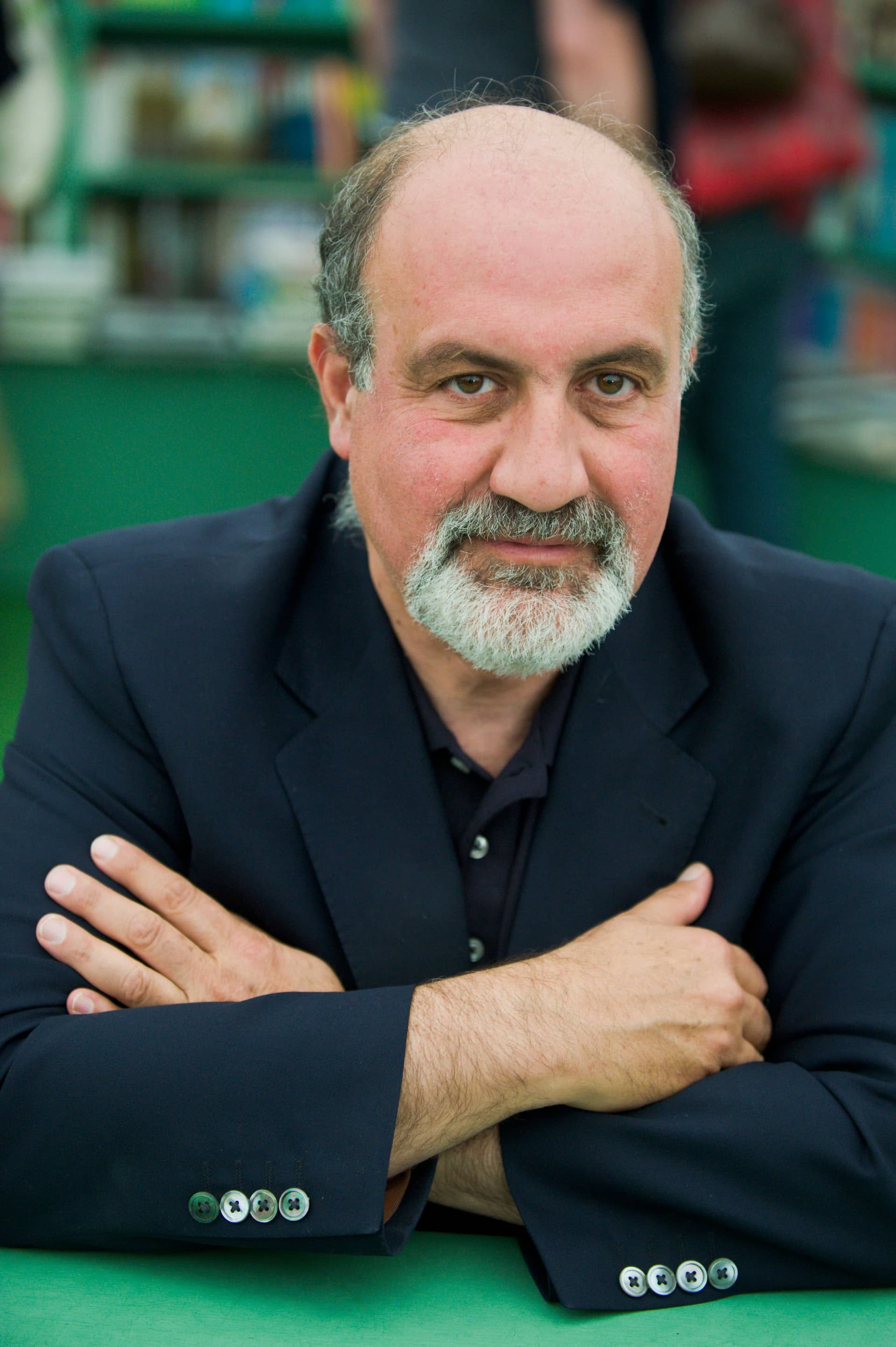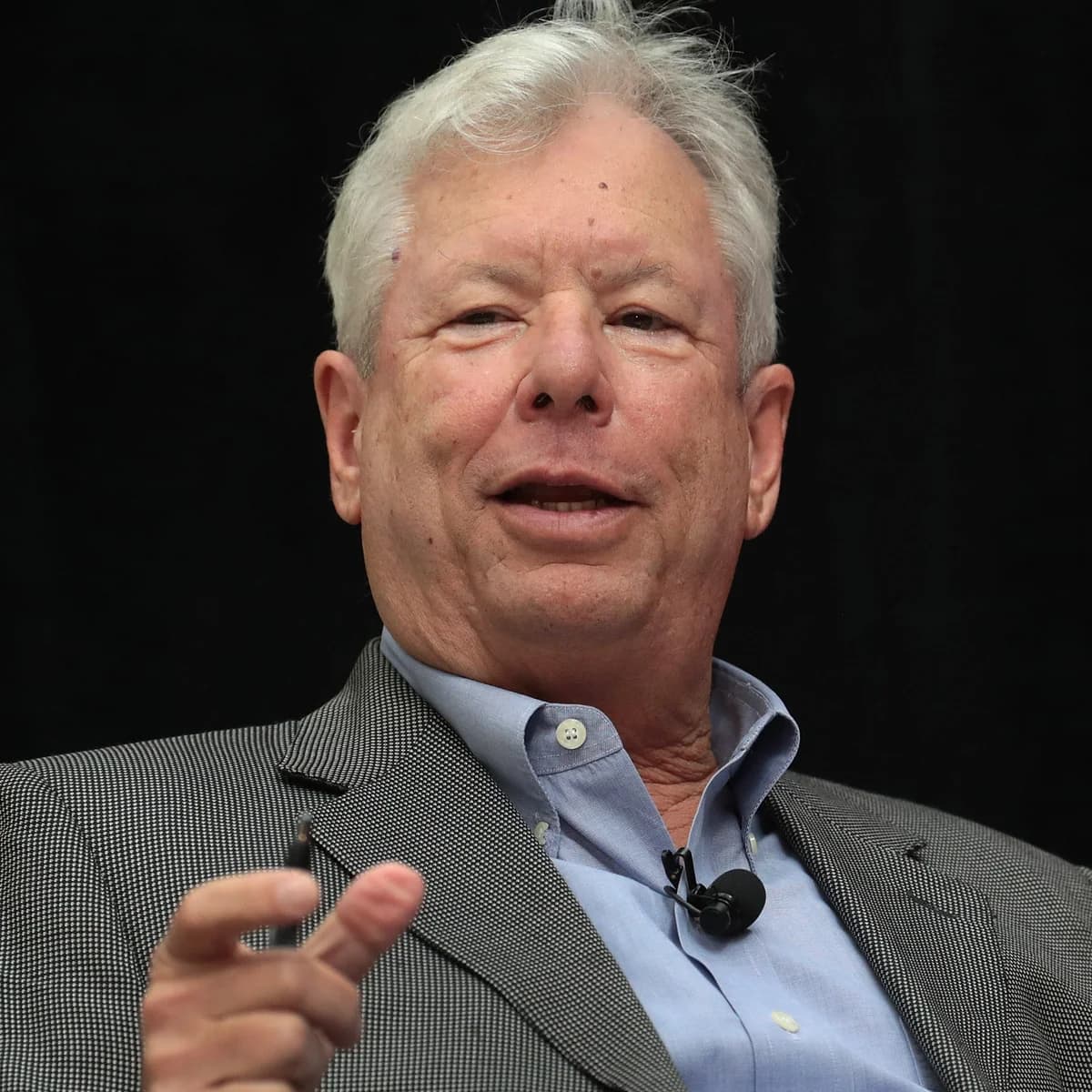

Paul Milgrom is a distinguished economist and the recipient of the 2020 Nobel Memorial Prize in Economic Sciences for his work on the theory of auctions and for inventing new auction formats. His research has revolutionized the way we value and allocate public assets, from radio spectrums to electricity to sponsored-search advertising. He is a recognized authority on game theory, incentive design, and the practical application of economic theory to complex business and regulatory challenges.
Milgrom's expertise has had a profound, direct impact on government and commerce worldwide. He was the chief academic contributor to the Federal Communications Commission's (FCC) groundbreaking auction design, a model he and his colleagues have since refined and expanded. This framework now informs pricing mechanisms for billions of dollars in annual transactions at electricity and natural gas utilities. Spectrum regulators across North America and Europe continue to rely on his counsel.
His practical application of advanced economic theory extends to Silicon Valley. He consulted with Google to implement the unique auction system for their highly anticipated Initial Public Offering (IPO), ensuring its success. Additionally, he advised Microsoft on the implementation of their sponsored-search auctions. These high-stakes engagements underscore the proven effectiveness of his models in real-world, profit-driven environments.
Milgrom holds a PhD from Stanford, and his academic career has included teaching economics courses at Northwestern and Yale before returning to Stanford. His book with John Roberts, Economics, Organization, and Management, opened new avenues for economic research, and his bestselling Putting Auction Theory to Work summarizes the life’s work that earned him the Nobel Prize. As a speaker, he provides audiences with an authoritative analysis of market mechanisms, strategic bidding, and the subtle economic forces that drive decision-making.