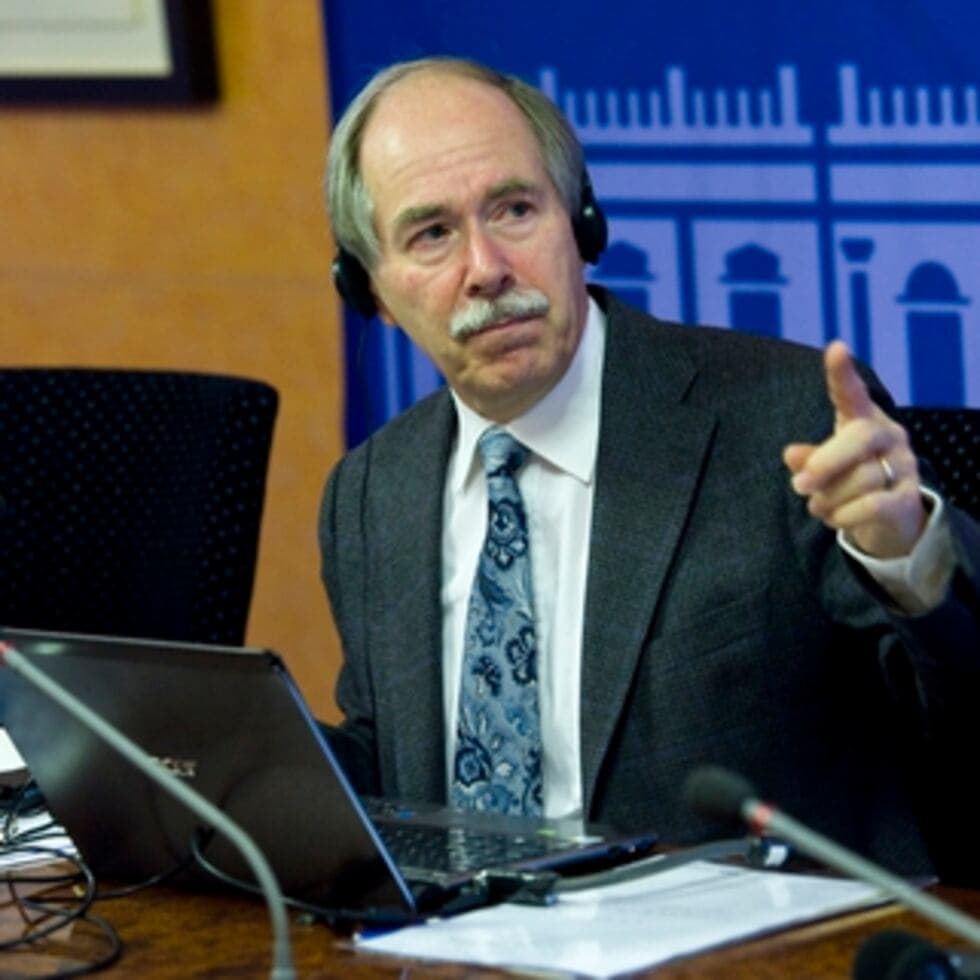
Gerard ‘t Hooft is a Nobel Laureate in Physics, a theoretical physicist, and a leading voice on black holes, quantum mechanics, and the future of science. He is a professor at Utrecht University and a highly influential figure who has a unique ability to bridge the worlds of science, technology, and a more human-centered approach to life. ‘t Hooft’s career is a testament to the power of a bold vision and a commitment to a future of unlimited potential.
In 1999, ‘t Hooft, along with his colleague Martinus J.G. Veltman, was awarded the Nobel Prize in Physics for "elucidating the quantum structure of electroweak interactions in physics." Their work has fundamentally reshaped our understanding of the universe. He is a frequent speaker at major conferences and a regular contributor to business publications.
His philosophy is that a great future is not built on a single technology; it’s built on a long-term commitment to creating value for its people. He believes that by understanding the fundamentals of physics, one can unlock their full potential and create a more fulfilling life. He is a frequent speaker at major conferences and a regular contributor to business publications.
As a speaker, Gerard ‘t Hooft provides a clear and intellectual perspective on the principles of physics, quantum mechanics, and the future of humanity. He shares insights from his Nobel Prize-winning work and provides a clear and compelling framework for how to create a more resilient and equitable world. His talks are invaluable for leaders, policymakers, and innovators.