Your enquiry list is empty
Add speakers to your enquiry list by clicking the "Add to Enquiry List" button on their profile.
The future of work is no longer a speculative conversation about offices, automation, or remote policy. It has become a live business question about how organizations structure talent, redesign roles, manage productivity, develop skills, and sustain culture when technology and employee expectations are changing at the same time. That is why future of work speakers are increasingly booked for leadership summits, HR conferences, transformation events, and enterprise strategy sessions....
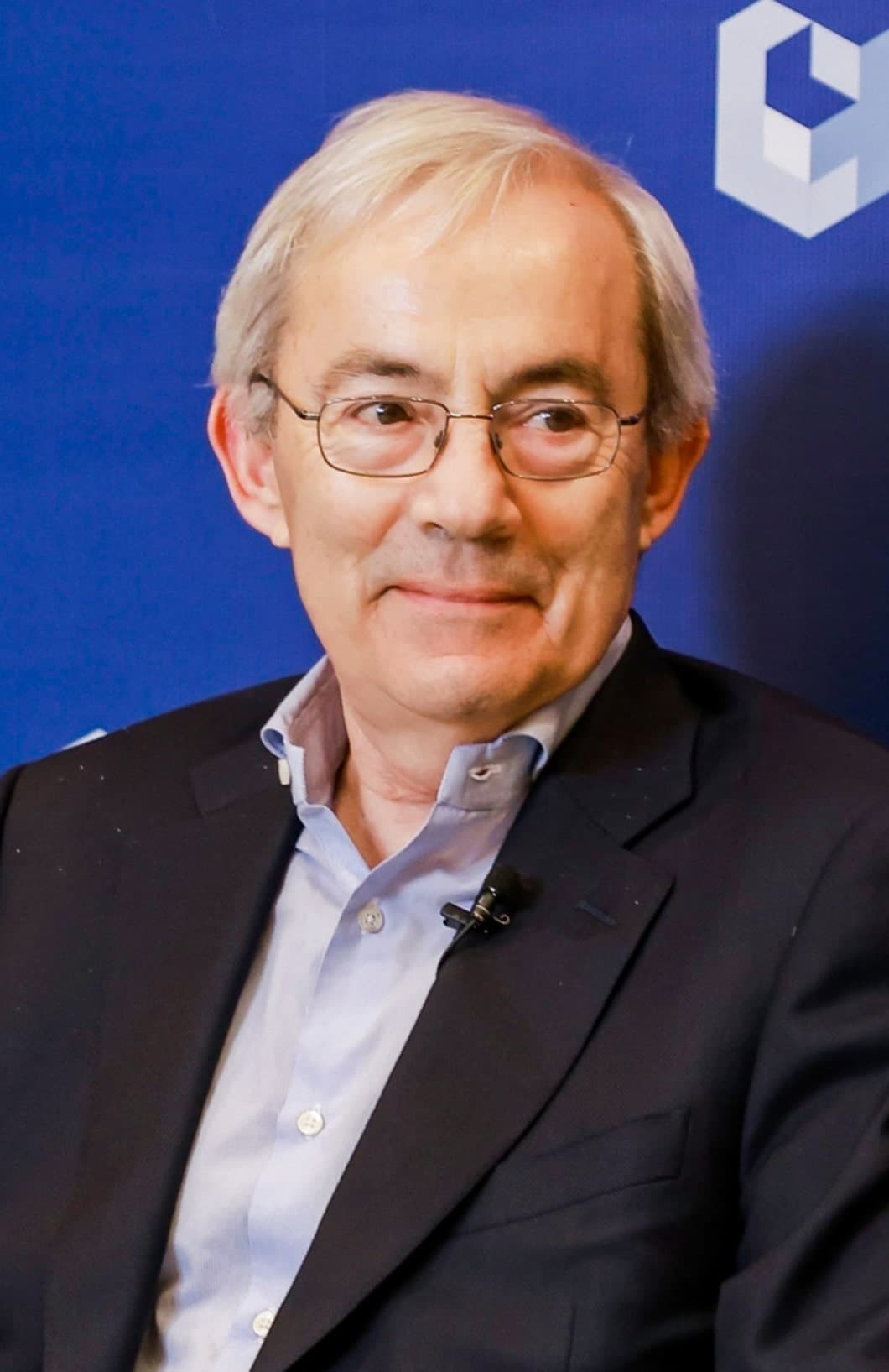
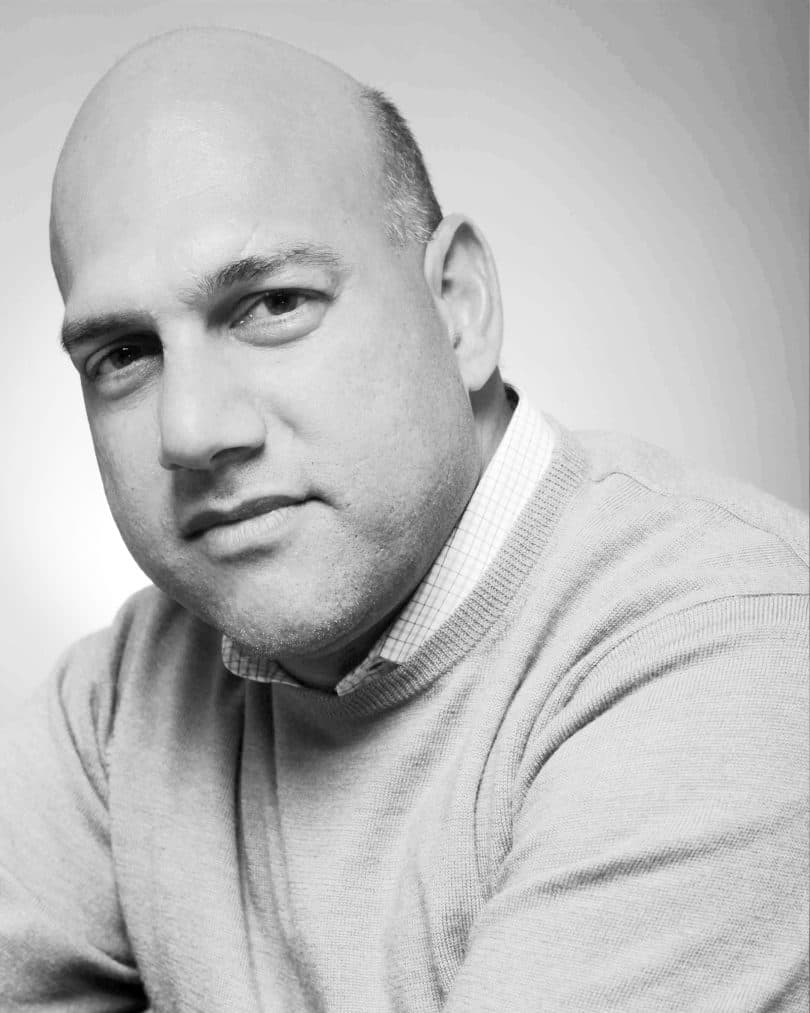
Popular future of work keynote speakers include Dave Ulrich, Sebastian Thrun, Salim Ismail, and Stephane Garelli.

Co-Founder of Google X and Udacity; Co-founder & Chairman, Cresta; Robotics & AI Pioneer
Inventing the future with autonomous cars and digital learning.
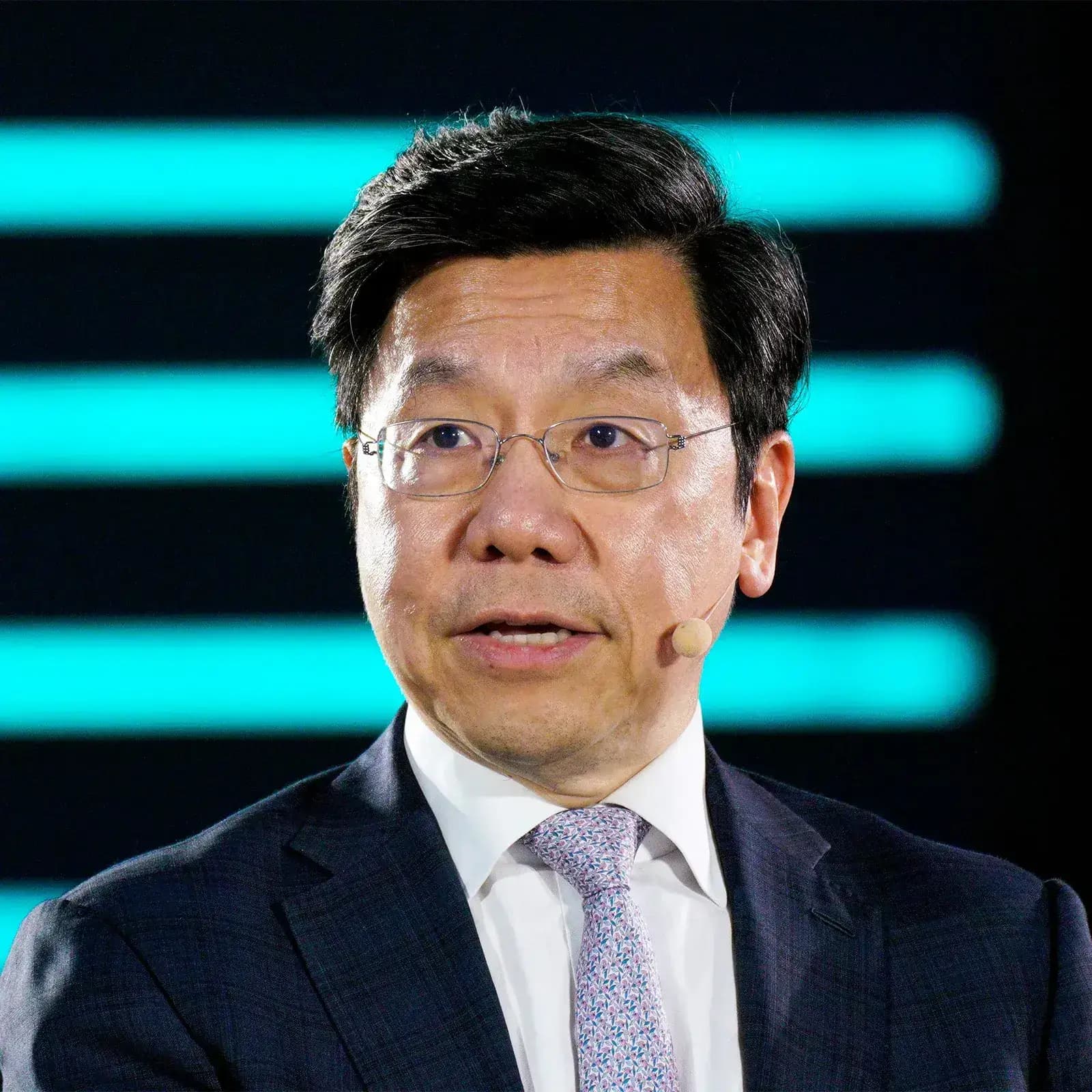
CEO, 01.AI; Chairman, Sinovation Ventures; Former President, Google China; Author of AI Superpowers
Leading AI's future through visionary strategies and global insights.
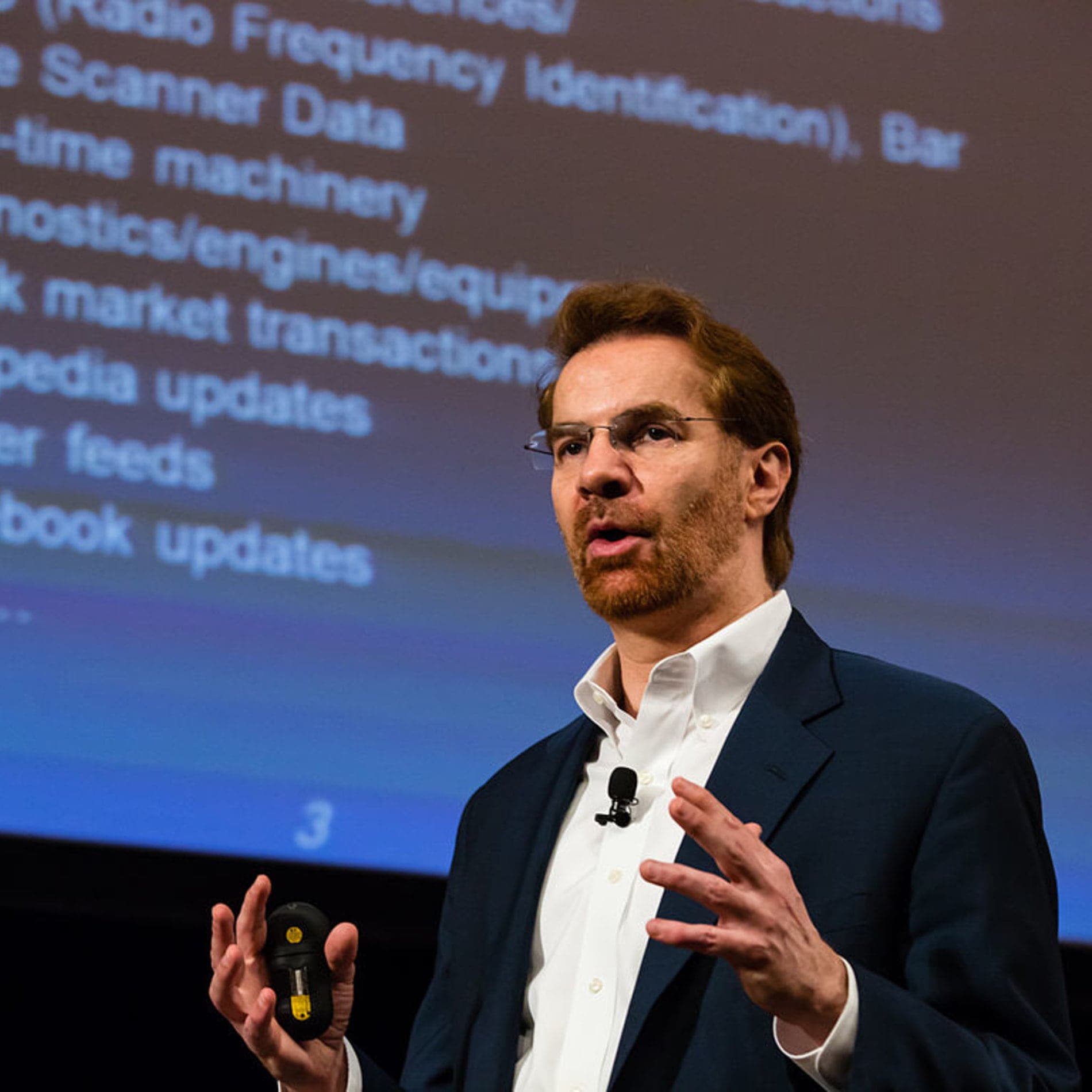
Professor & Director, Stanford Digital Economy Lab; Leading Expert on the Economics of AI
Decoding digital landscapes for a thriving future.

Former Chief Scientist, Amazon; Director, Social Data Lab; Author of Data for the People
Decoding data's impact on society and individual empowerment.
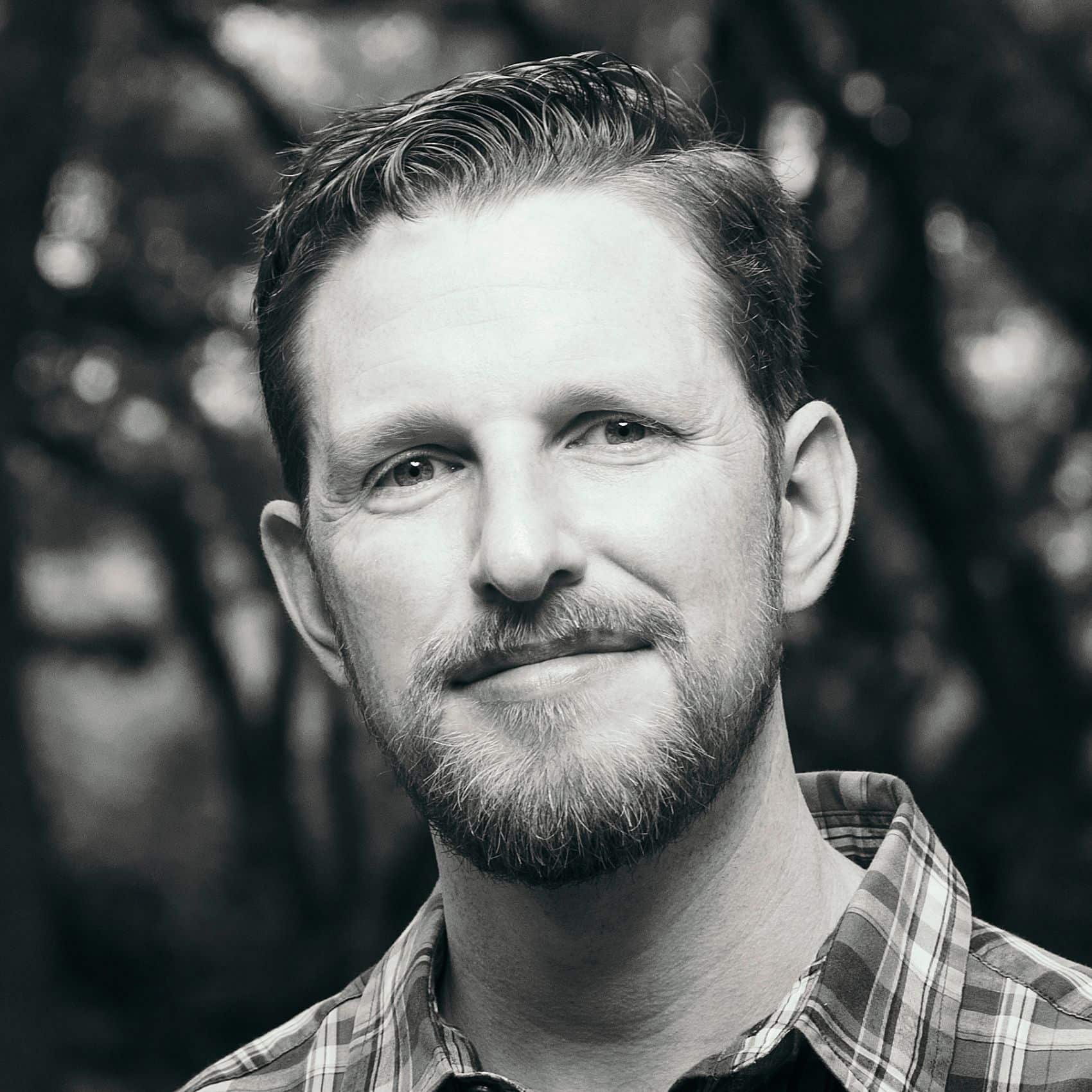
Co-founder of WordPress; CEO of Automattic; Pioneer of Distributed Work
Championing open-source solutions for a democratized digital future.

Founder, IMD World Competitiveness Center; Former Managing Director, World Economic Forum
Shaping global competitiveness through insight and economic foresight.
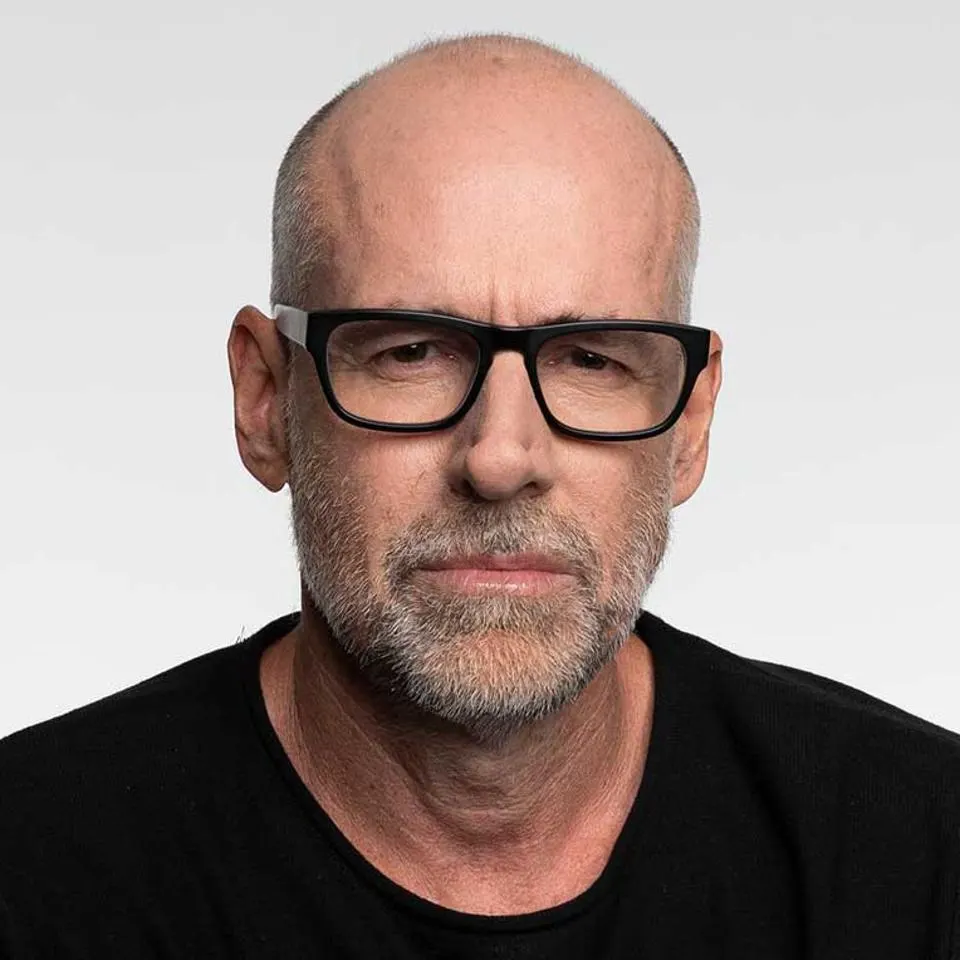
Professor, NYU Stern; Bestselling Author & Entrepreneur
Making sense of power, tech, and the future—one bold truth at a time
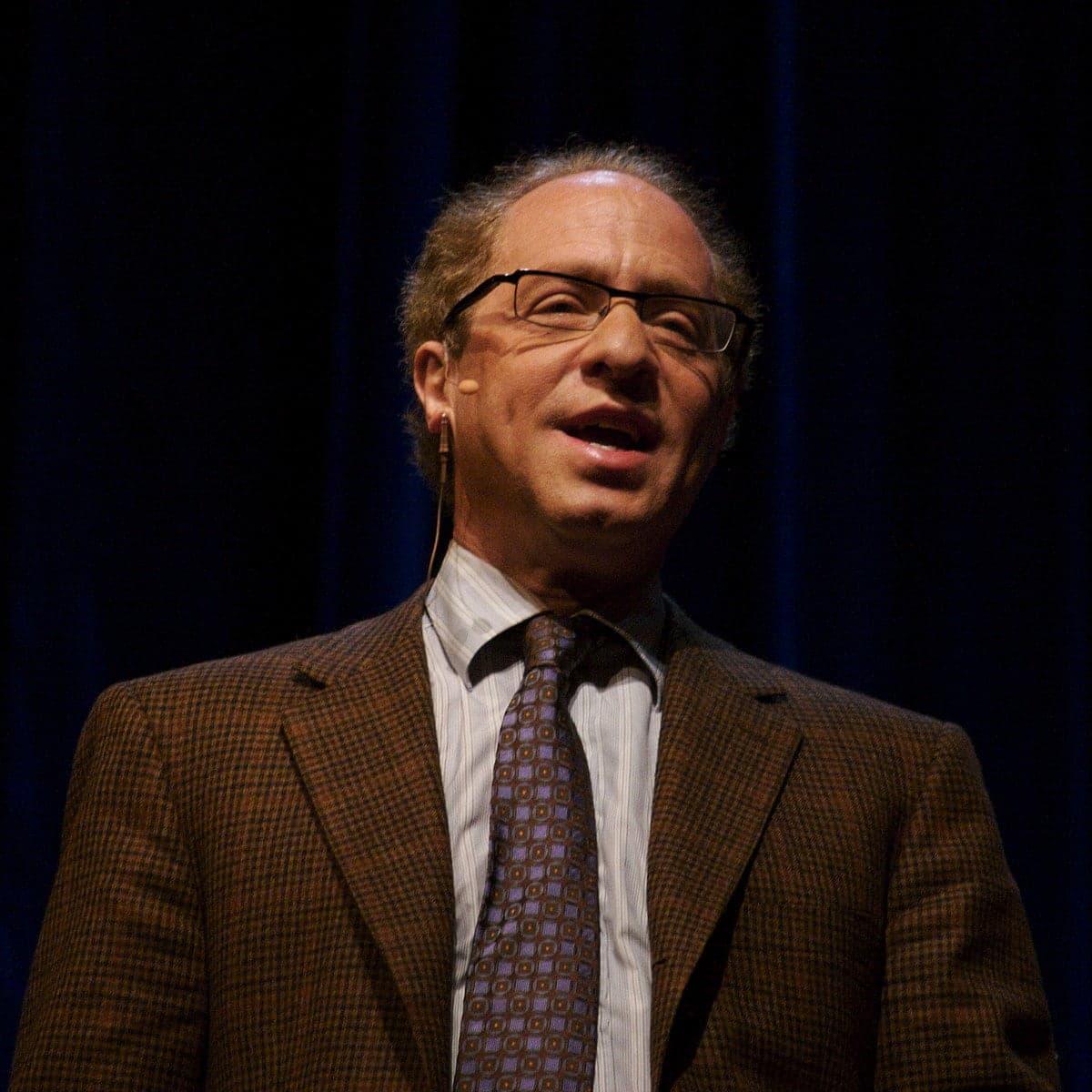
Inventor & Futurist; Chief AI Officer, Beyond Imagination; Author of The Singularity Is Near
Envisioning a future of transformative human-technological evolution.
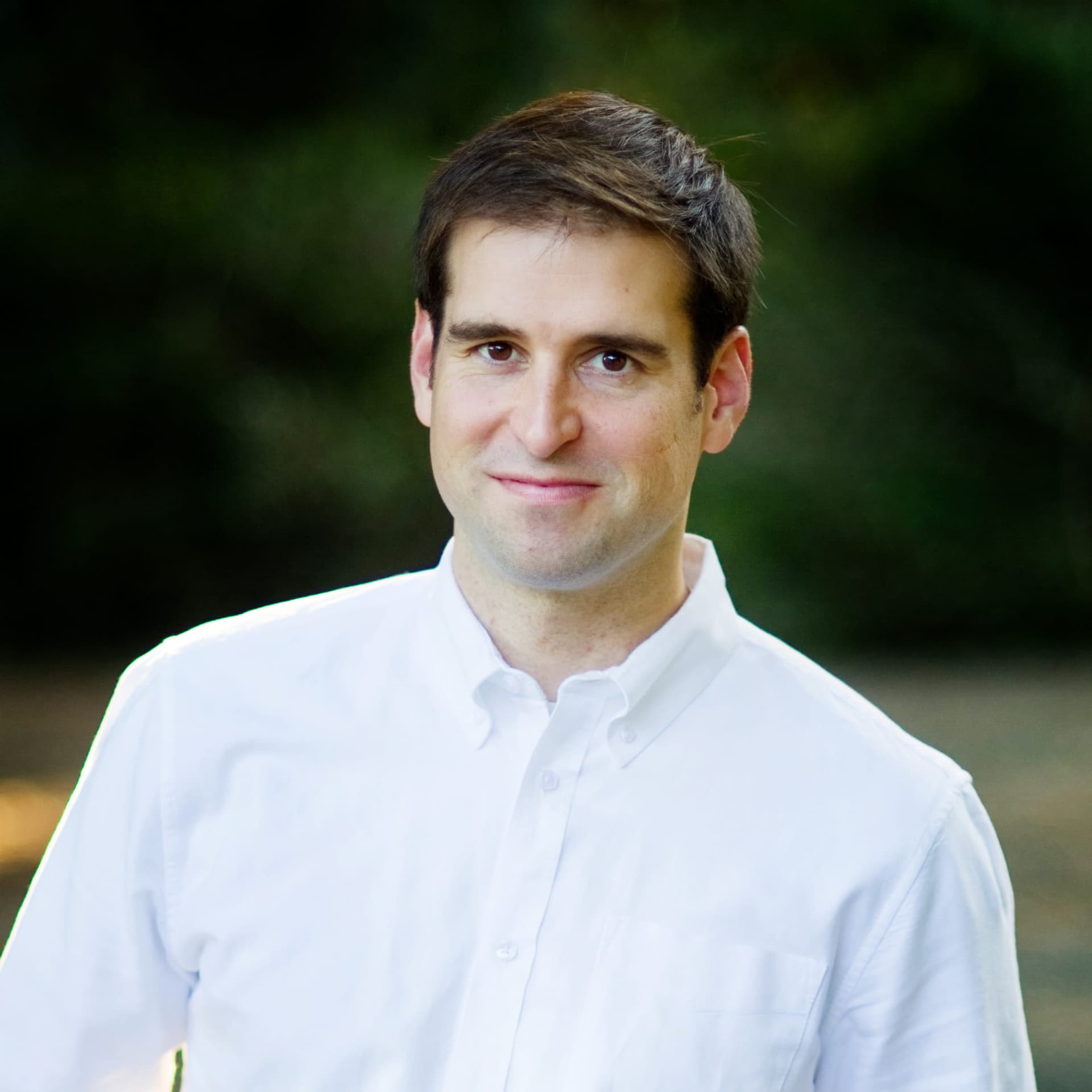
Co-Founder & Former CTO, Tesla; Founder & CEO, Redwood Materials
Redefining sustainable technology and innovation through transformative leadership.
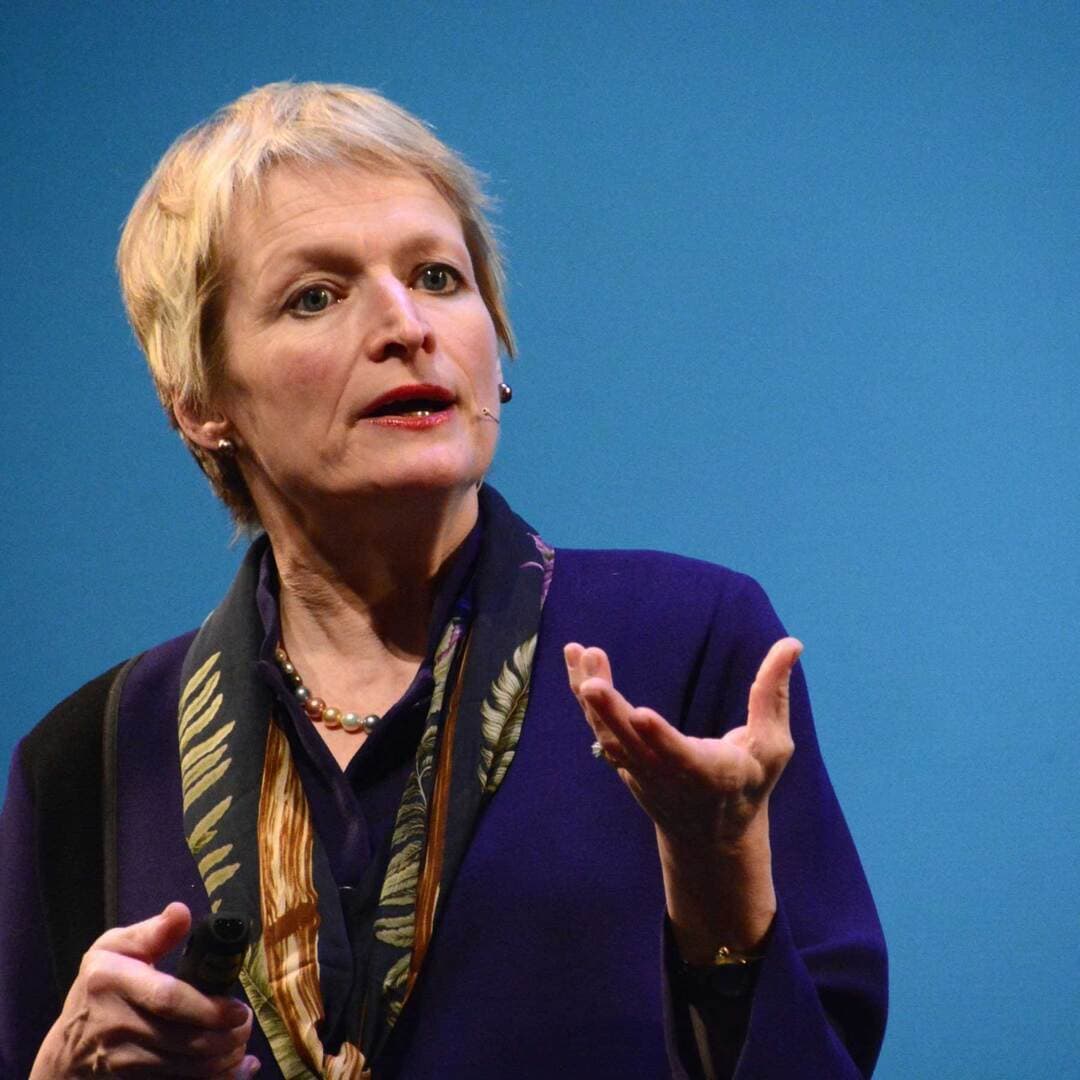
Founder & CEO, Valize; Professor, Columbia Business School; Top Global Management Thinker
Strategist reshaping how organizations thrive amid uncertainty.
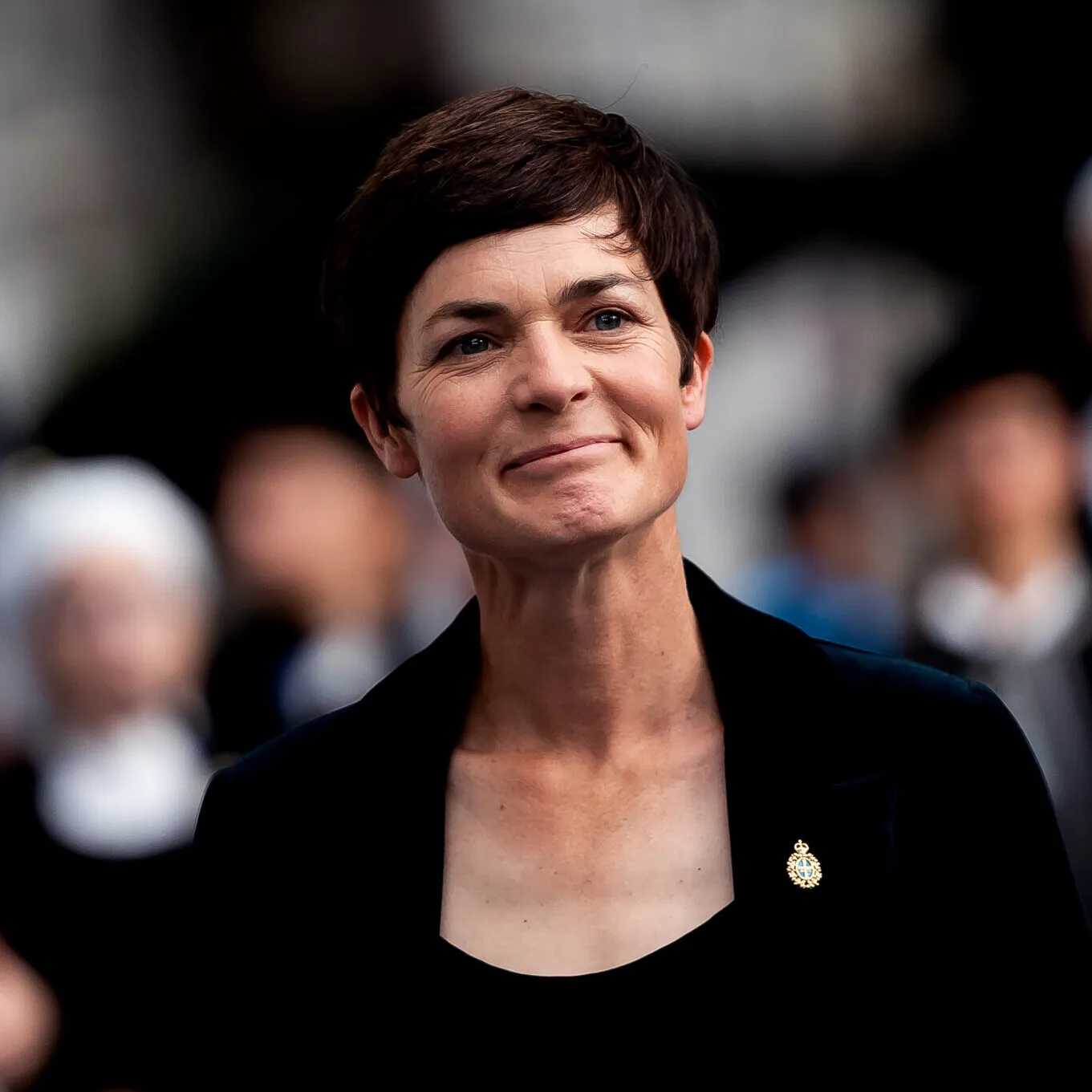
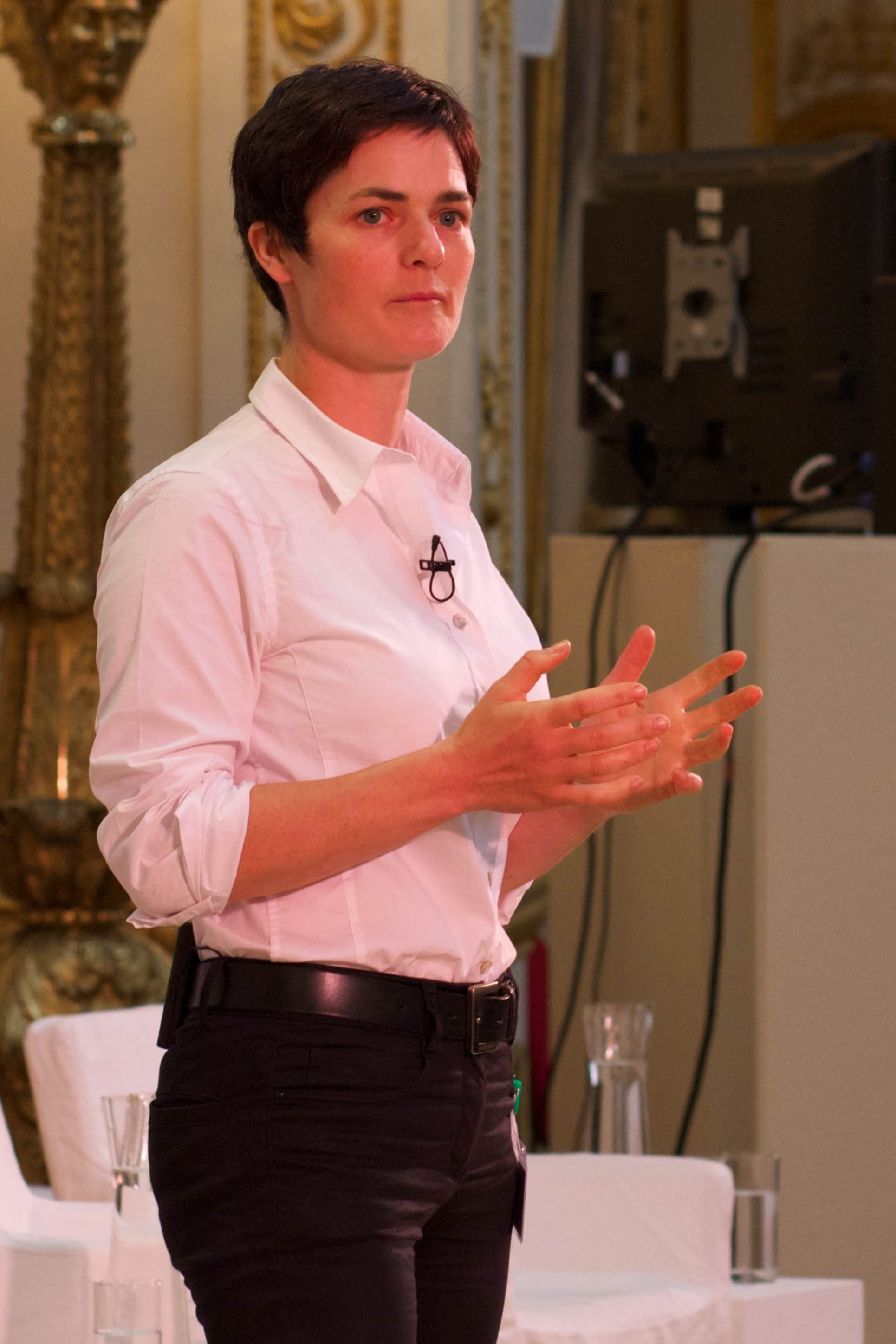
Record-Breaking Sailor; Founder of the Ellen MacArthur Foundation; Global Expert on the Circular Economy
Sailing pioneer shaping sustainability through the circular economy lens.
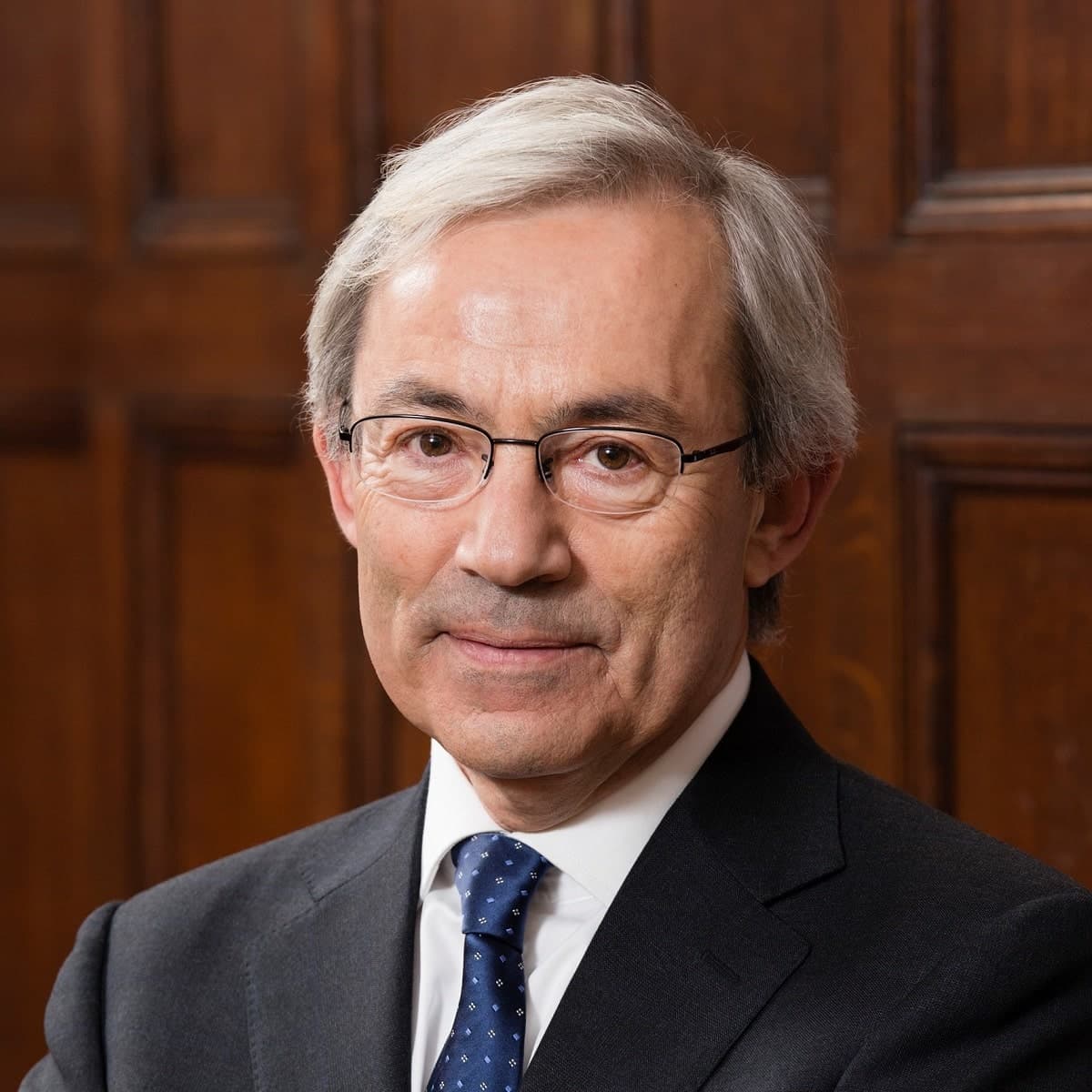
Nobel Laureate in Economics; Professor, London School of Economics
Decoding labor markets and technology's impact on employment.
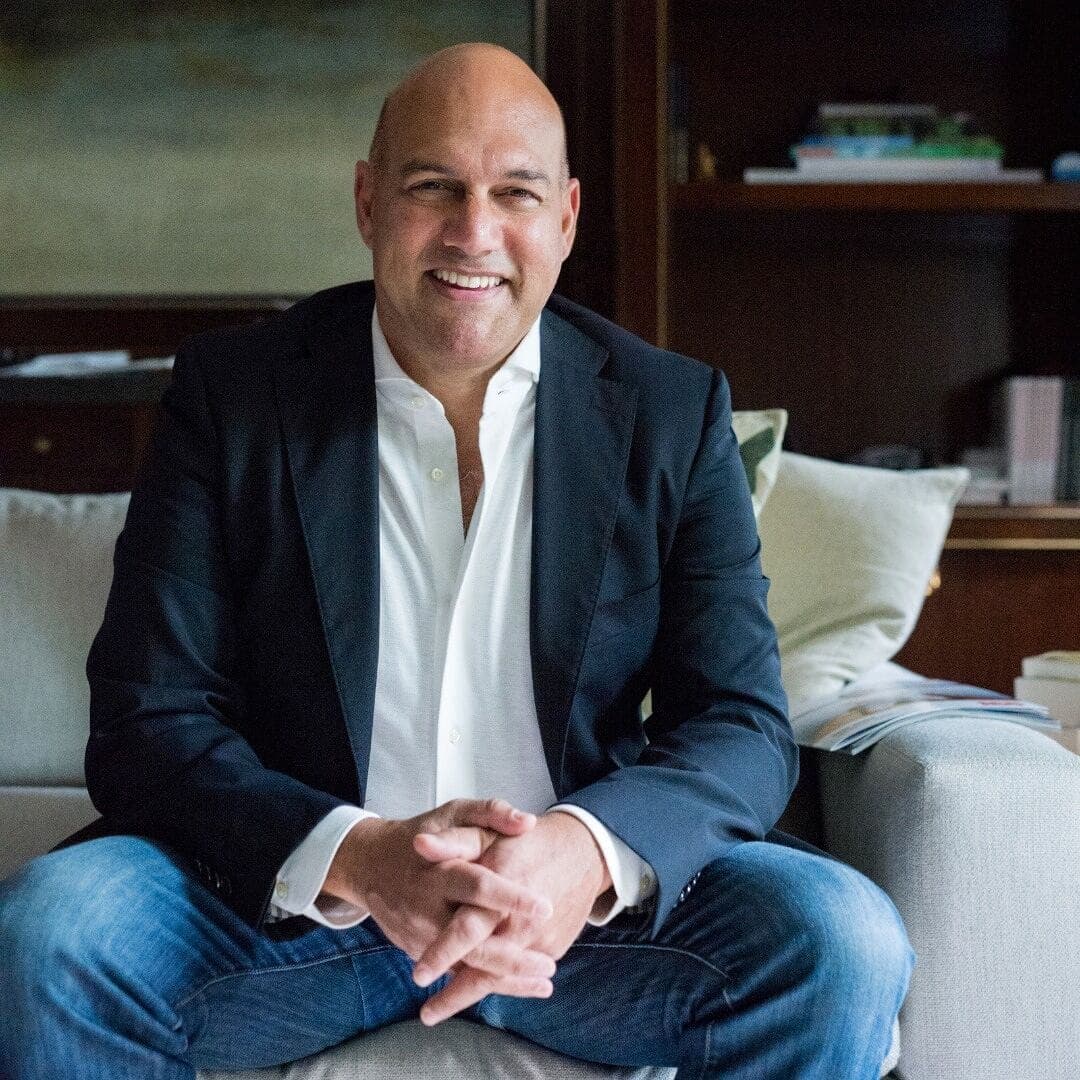
Bestselling Author of Exponential Organizations; Technology Strategist & Founder, ExO Works
Championing exponential growth and technology-driven transformation.

Rensis Likert Professor, University of Michigan; "Father of Modern HR"; Partner, RBL Group
Defining modern HR through strategic leadership and foresight.
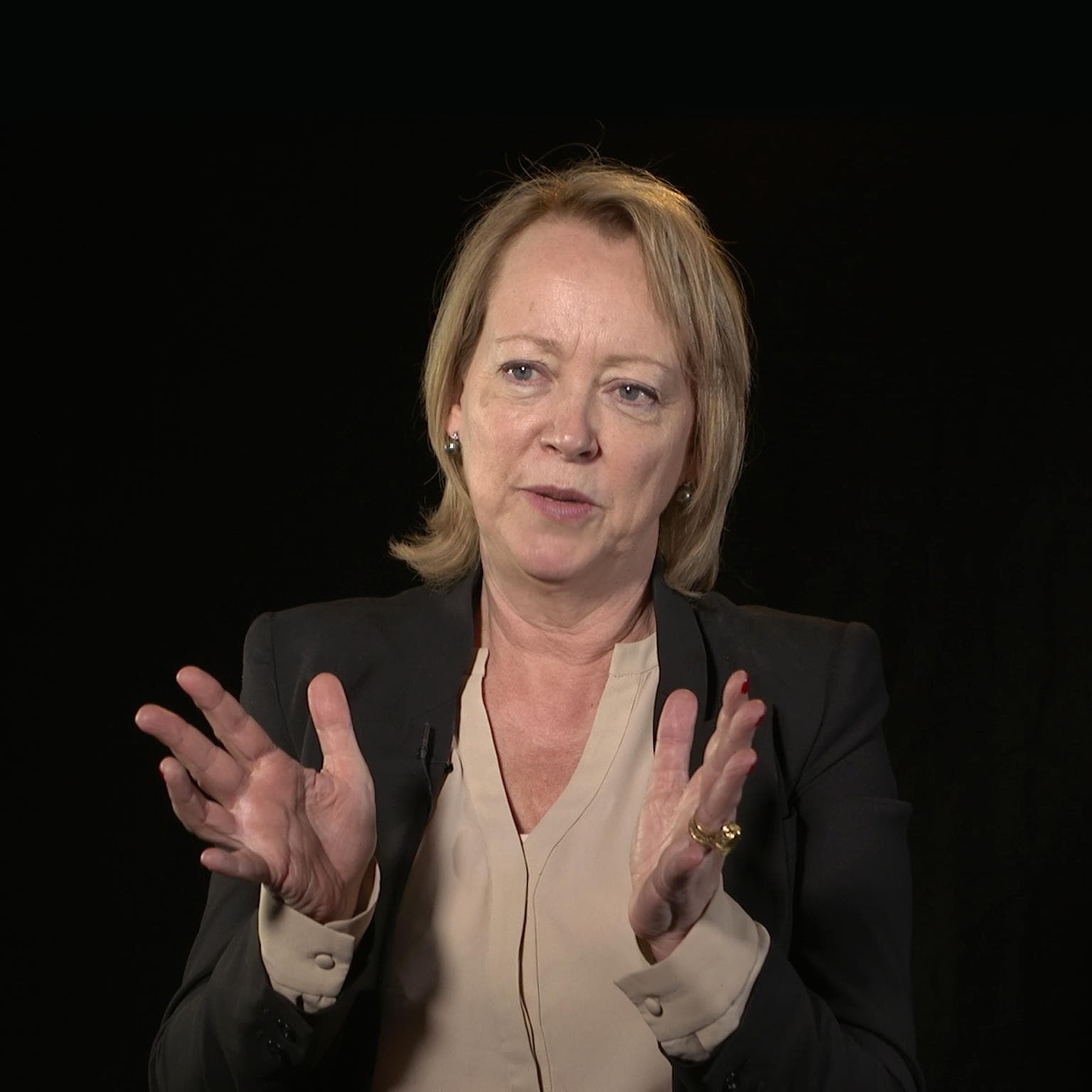
Professor of Management Practice, London Business School; Expert on The Future of Work & Organisational Strategy
Deciphering the future of work with strategic foresight and human insight.
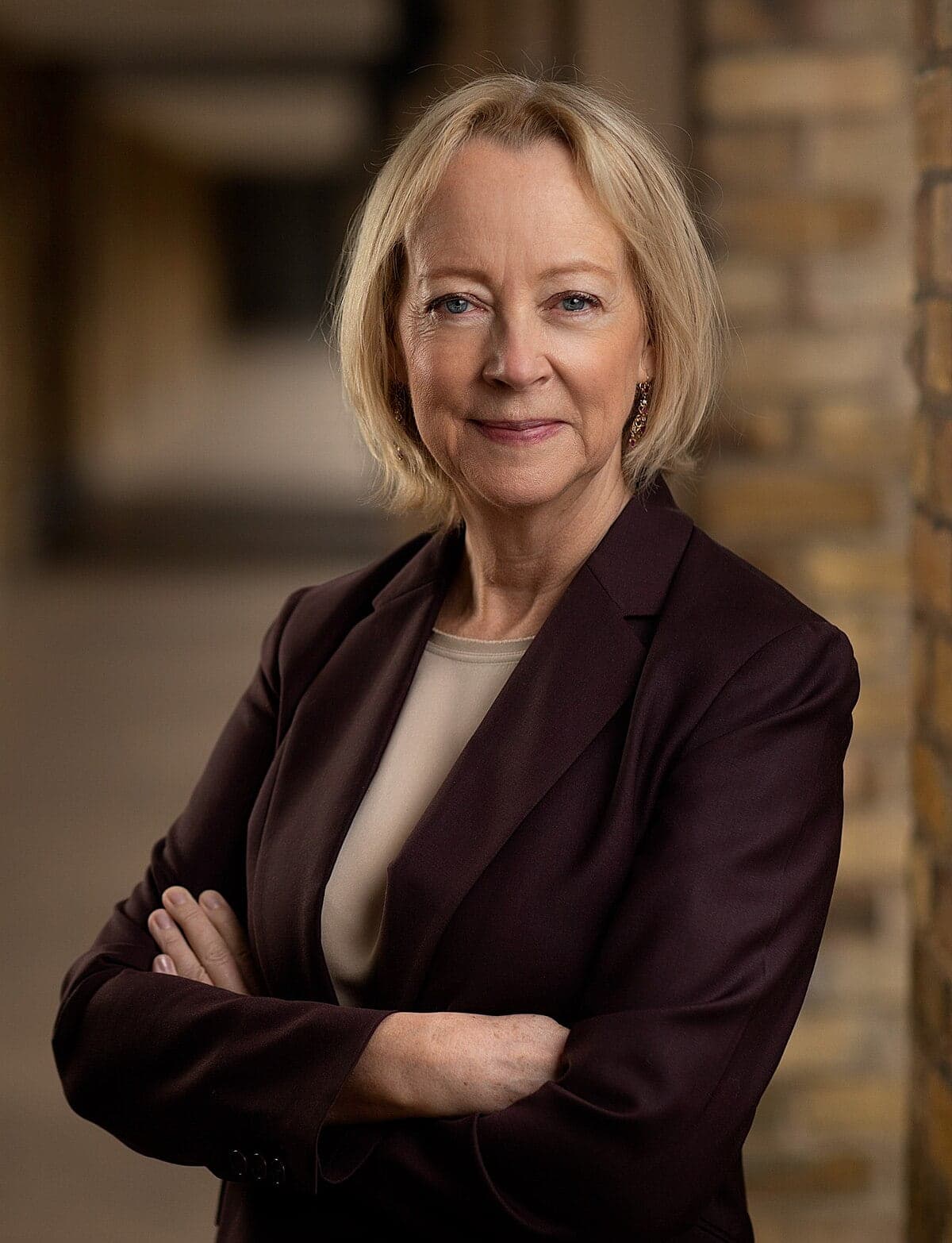

Former Director of Learning & Development, Apple and Tesla
Fostering innovative workplace cultures and talent development.

Former Head of Go-To-Market, OpenAI; Leading Expert in Applied AI Strategy
Navigating AI's future with strategic foresight and practical insight.

Chess Grandmaster & Political Activist; Chairman, Human Rights Foundation
Exploring AI and strategy through a lens of chess mastery.
We can help you find the perfect speaker for your event, even if they're not listed on our website.
Leadership and talent events often feature future of work speakers who can connect workforce change to management, capability building, and organizational design. These sessions are especially useful when senior teams need a clearer perspective on hybrid work, skills, culture, and the shifting expectations employees now bring to work.
HR and people conferences benefit from future of work keynote speakers who can address talent strategy, employee experience, automation, and the changing role of managers. The topic resonates when audiences are trying to redesign work in ways that support both performance and long-term adaptability.
Transformation and innovation forums often invite future of work speakers when technology change is forcing broader questions about roles, processes, and collaboration. This format works well for organizations trying to understand how work is evolving across functions rather than treating change as a policy update alone.
Hybrid work remains one of the most searched subtopics because it changed not just where work happens, but how coordination, trust, and management operate. Future of work speakers covering this area often explore collaboration rhythms, visibility, performance norms, and the design of productive flexibility. For decision-makers, the challenge is practical: hybrid models succeed only when work is intentionally structured rather than left to informal habits.
Workplace automation and AI have made the future of work more immediate by reshaping tasks, workflows, and skill requirements across industries. Future of work keynote speakers in this area often focus on augmentation, job redesign, capability gaps, and managerial adaptation. The field is changing quickly, and organizations need a better understanding of how automation affects not only efficiency, but also judgment, accountability, and workforce value.
Skills and workforce development matter because the future of work is ultimately a capability challenge as much as a technology one. Future of work speakers use this subtopic to help leaders think about reskilling, learning systems, internal mobility, and how employees stay relevant as roles evolve. It is especially practical for organizations trying to prepare people for change before talent shortages or skill mismatches become strategic constraints.