Your enquiry list is empty
Add speakers to your enquiry list by clicking the "Add to Enquiry List" button on their profile.
AI ethics moved from academic debate to executive concern the moment artificial intelligence began shaping hiring, lending, healthcare, security, education, and customer decisions at scale. What once sounded abstract now has direct consequences for trust, compliance, reputation, and governance. That shift explains why AI ethics speakers are being brought into board discussions, policy forums, product reviews, and enterprise leadership events with far more urgency than even a few years ago....
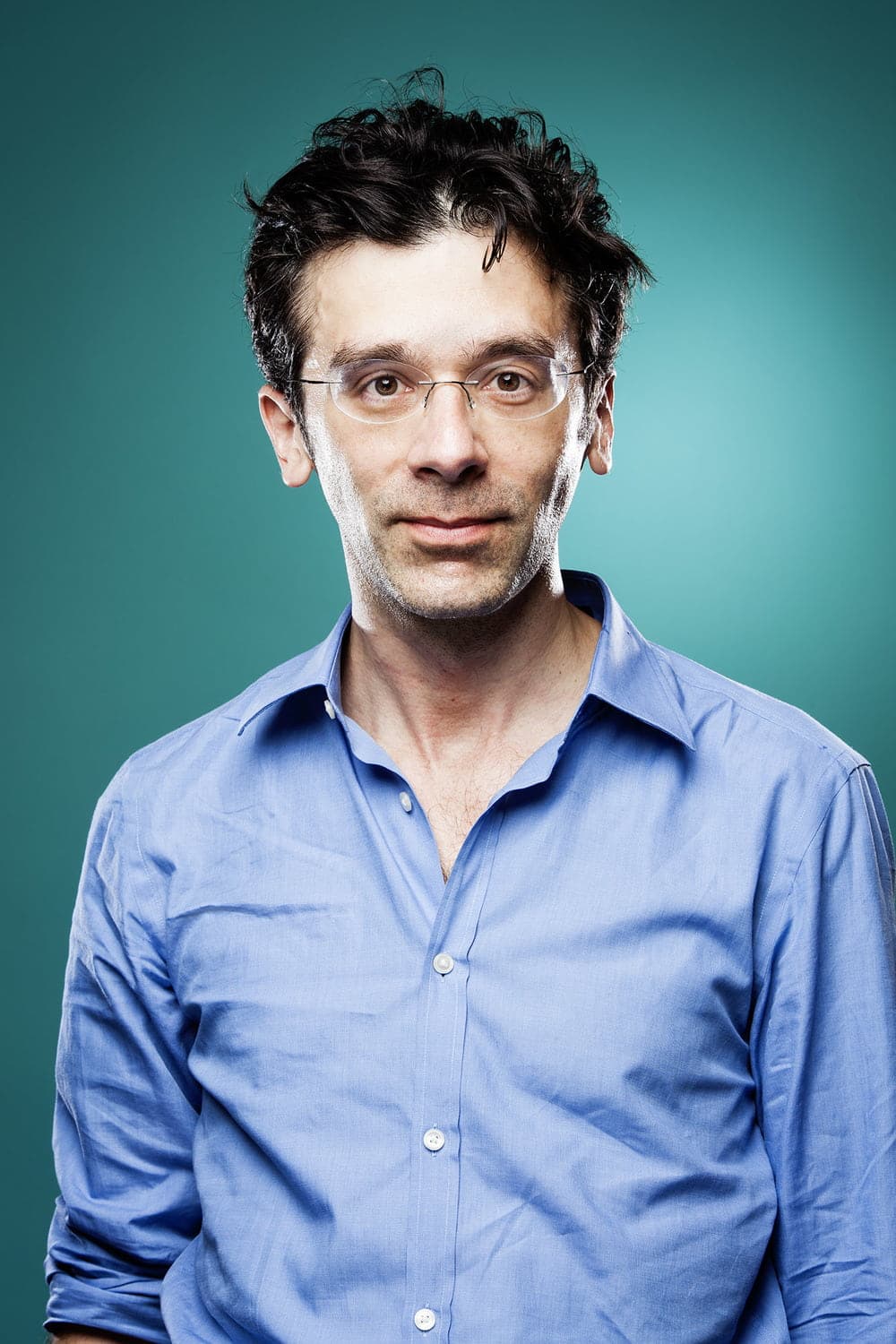
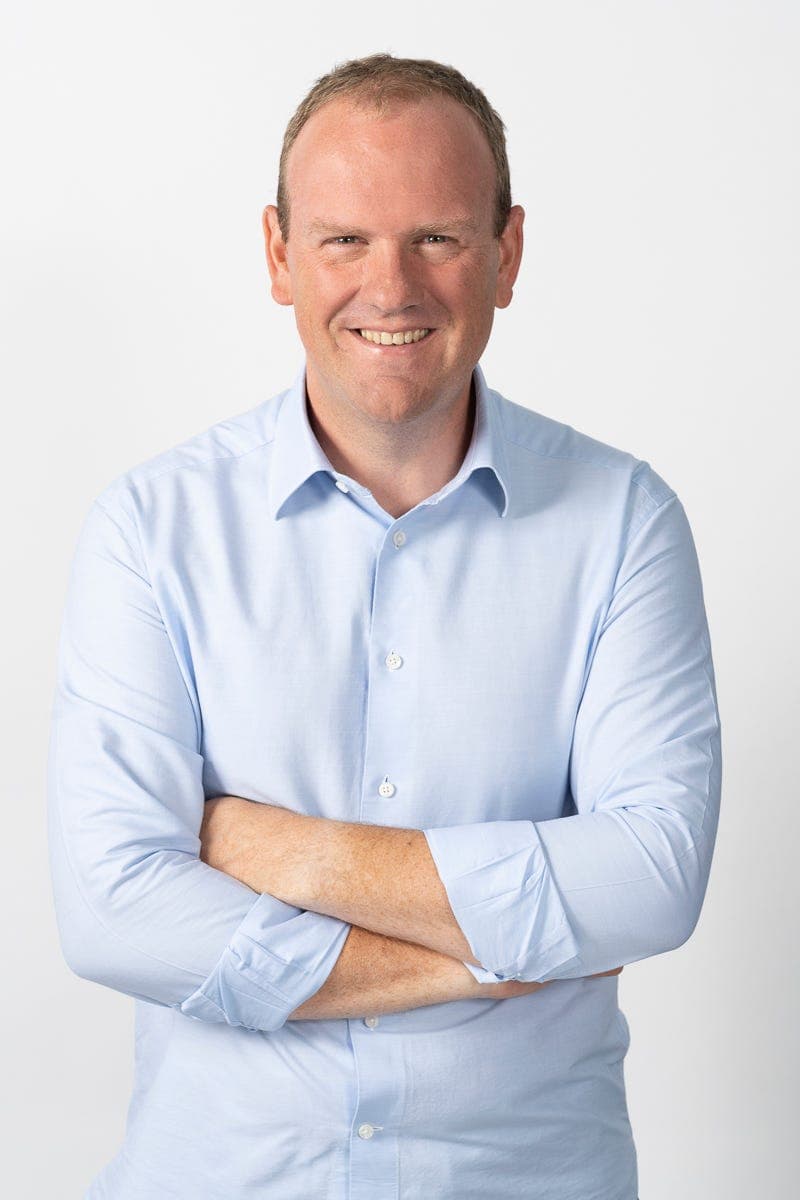
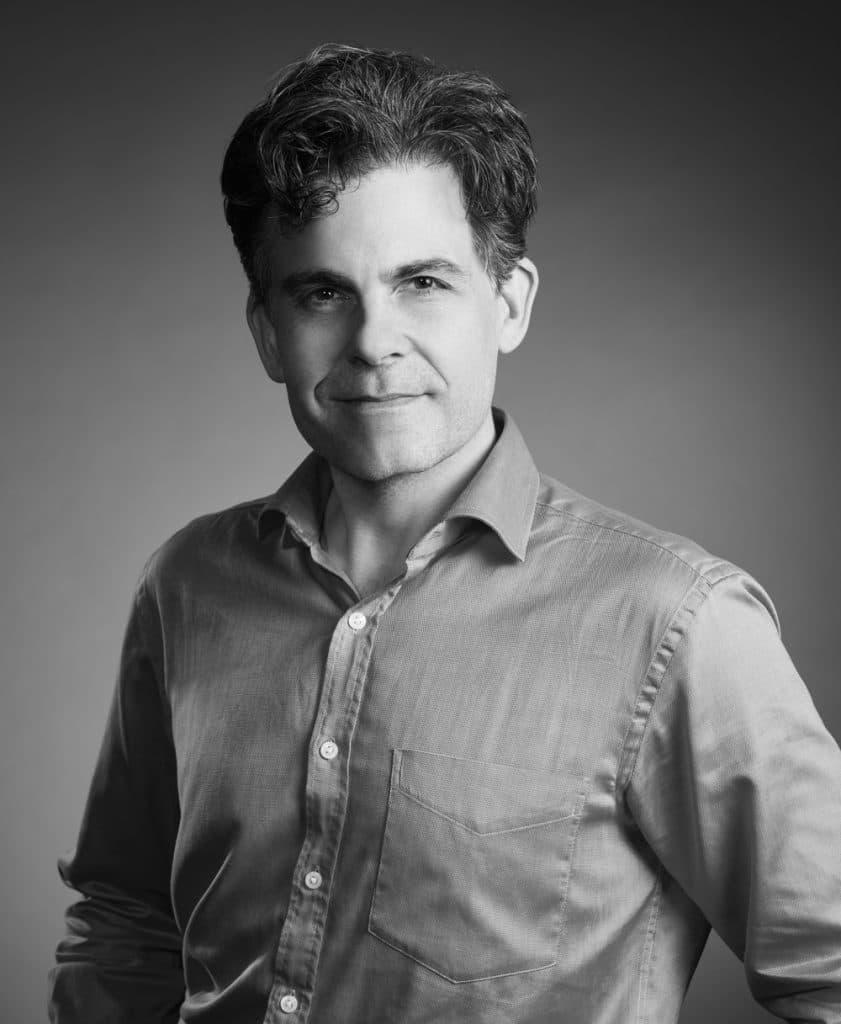
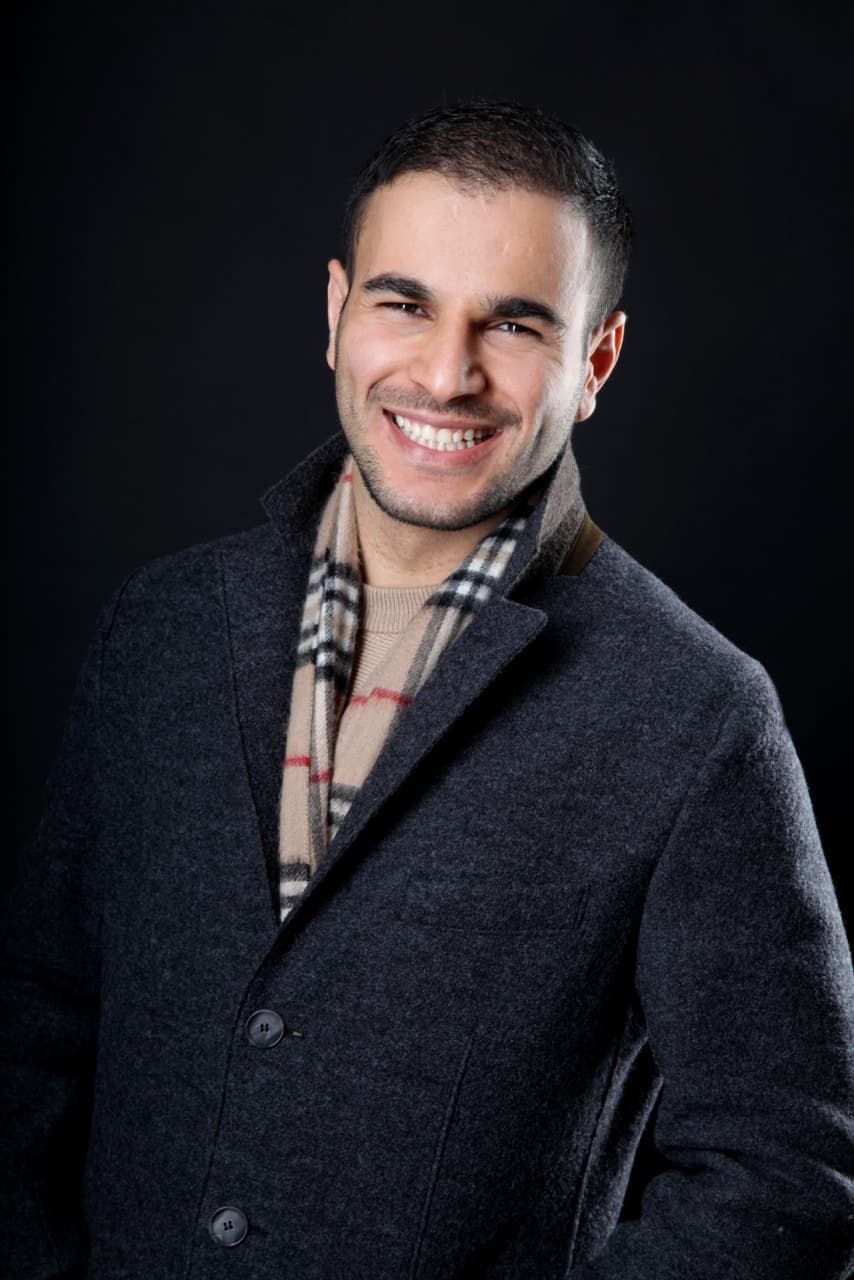
Popular ai ethics keynote speakers include Dr. Anand Rao, Kevin Slavin, Hannah Fry, Steven Van Belleghem, and Babak Hodjat.
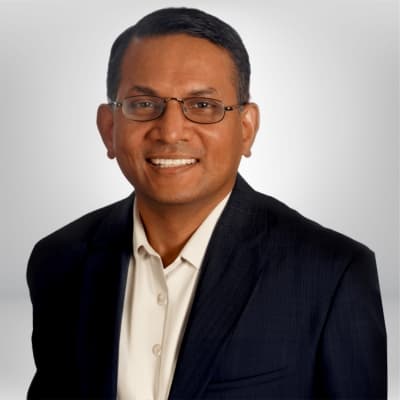
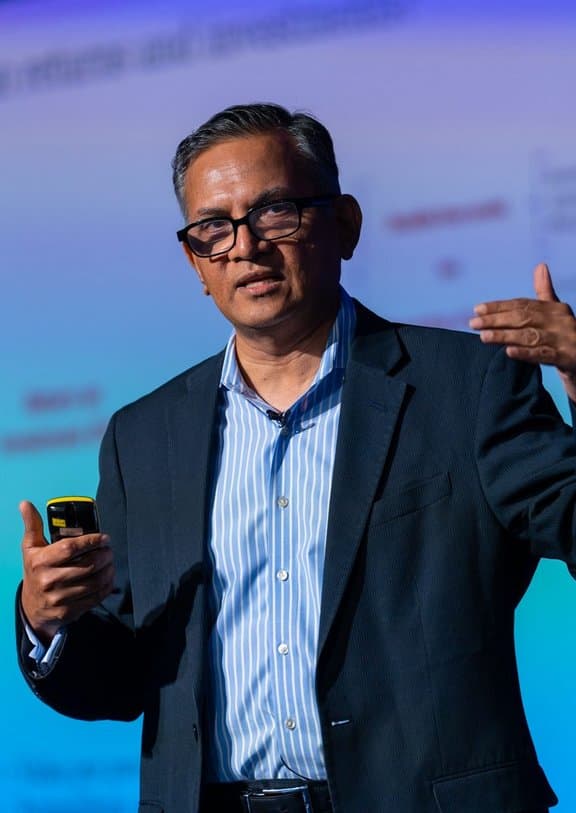
Distinguished Service Professor of Applied Data Science & AI, Carnegie Mellon University (Heinz College)
Global AI strategist and CMU professor who led PwC’s worldwide AI practice-trusted advisor on Responsible AI, LLMs in the enterprise, and agent-based models for real-world impact.
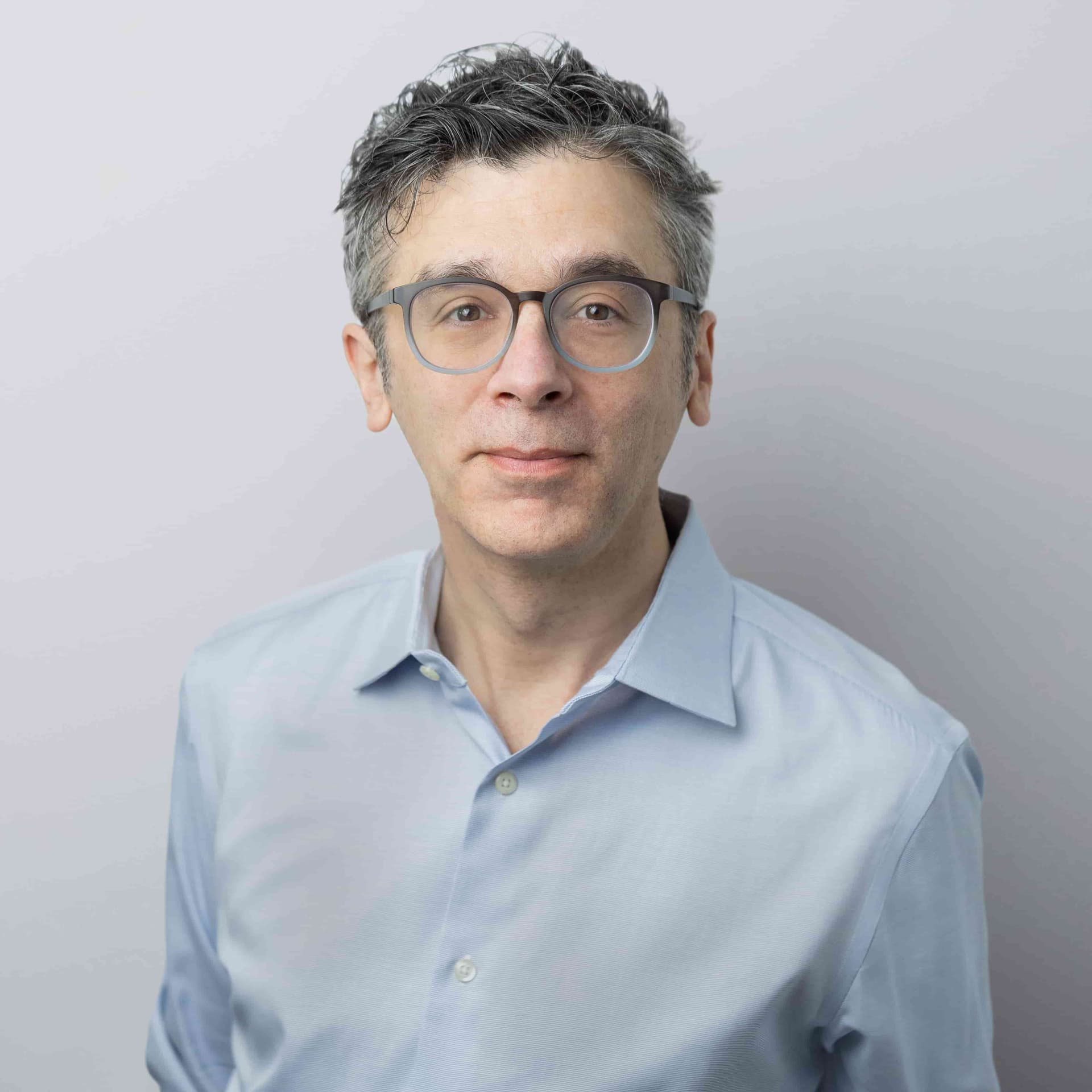
Game Design Pioneer; Media Theorist & Entrepreneur
A critical observer of the hidden forces shaping our world.
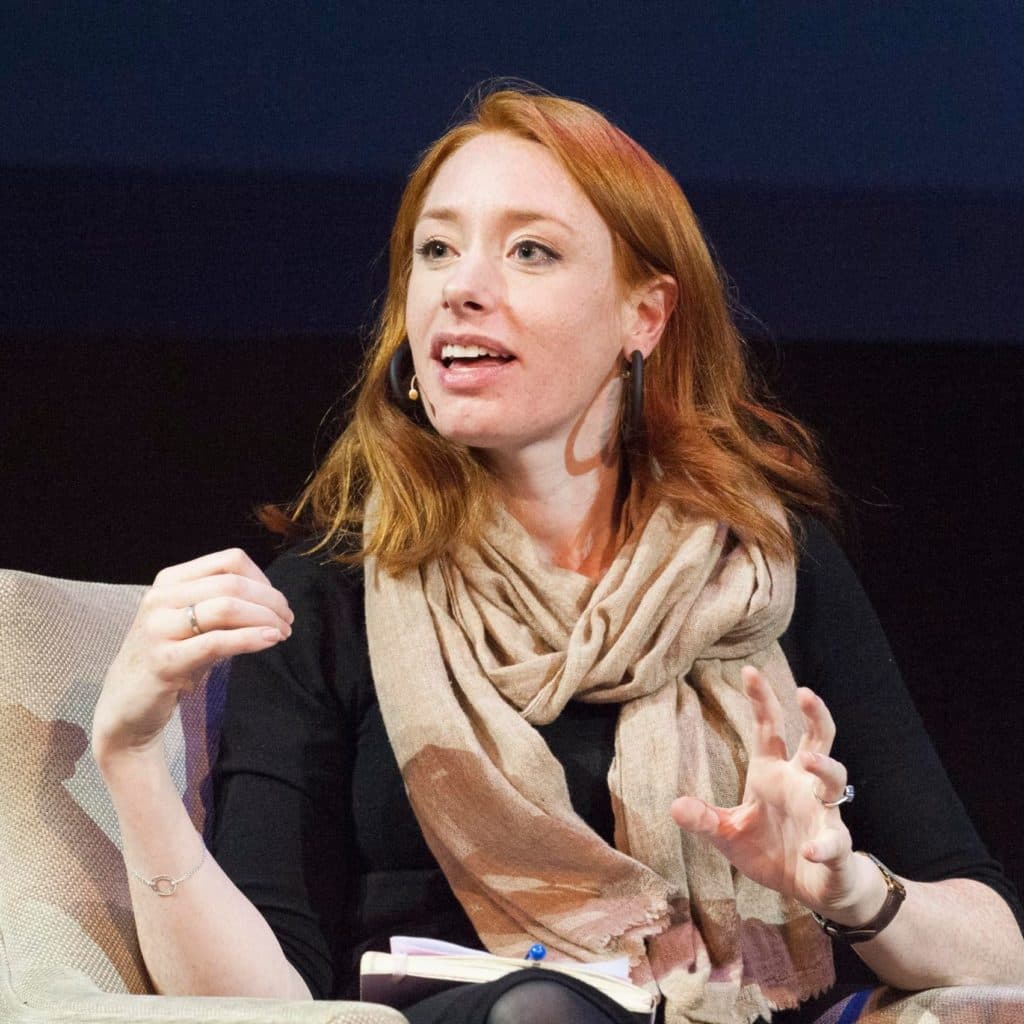
Mathematician & TV/Radio Personality; Professor, UCL; Bestselling Author of Hello World
Exploring the human side of mathematics and technology.
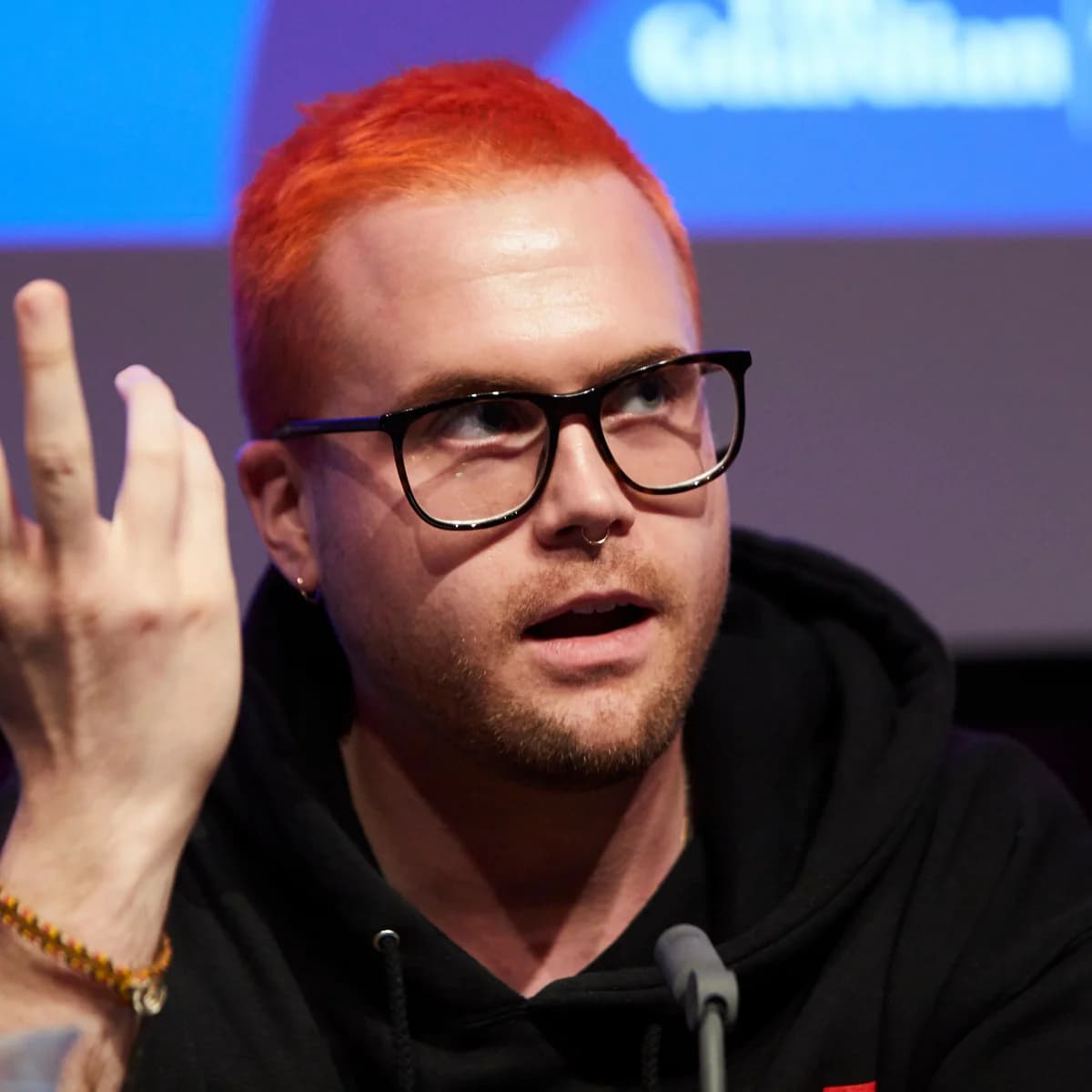
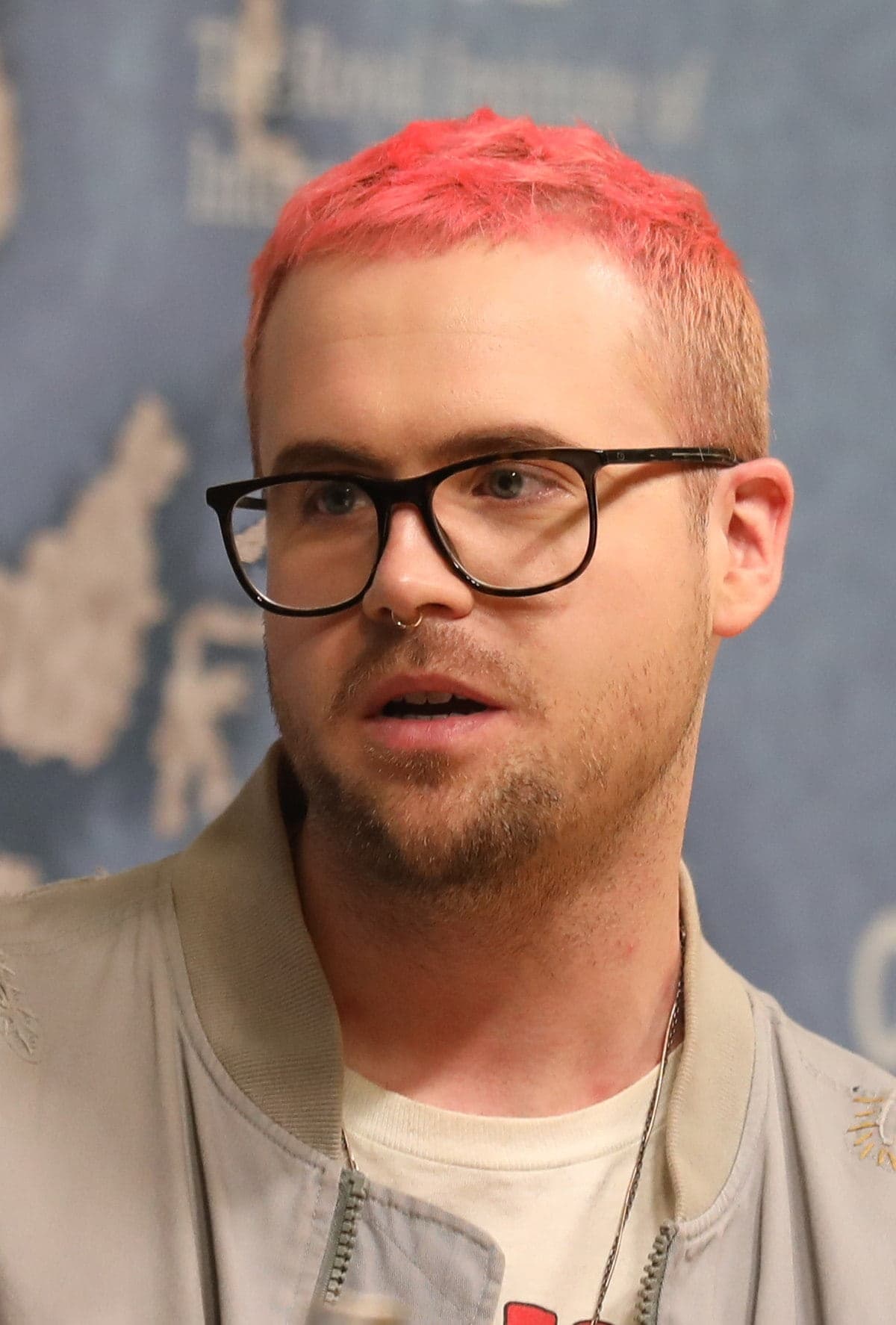
Cambridge Analytica Whistleblower; Head of Insight & Emerging Technologies, H&M; Data Ethics and AI Governance Expert
Advocate for ethical data use and democratic integrity.
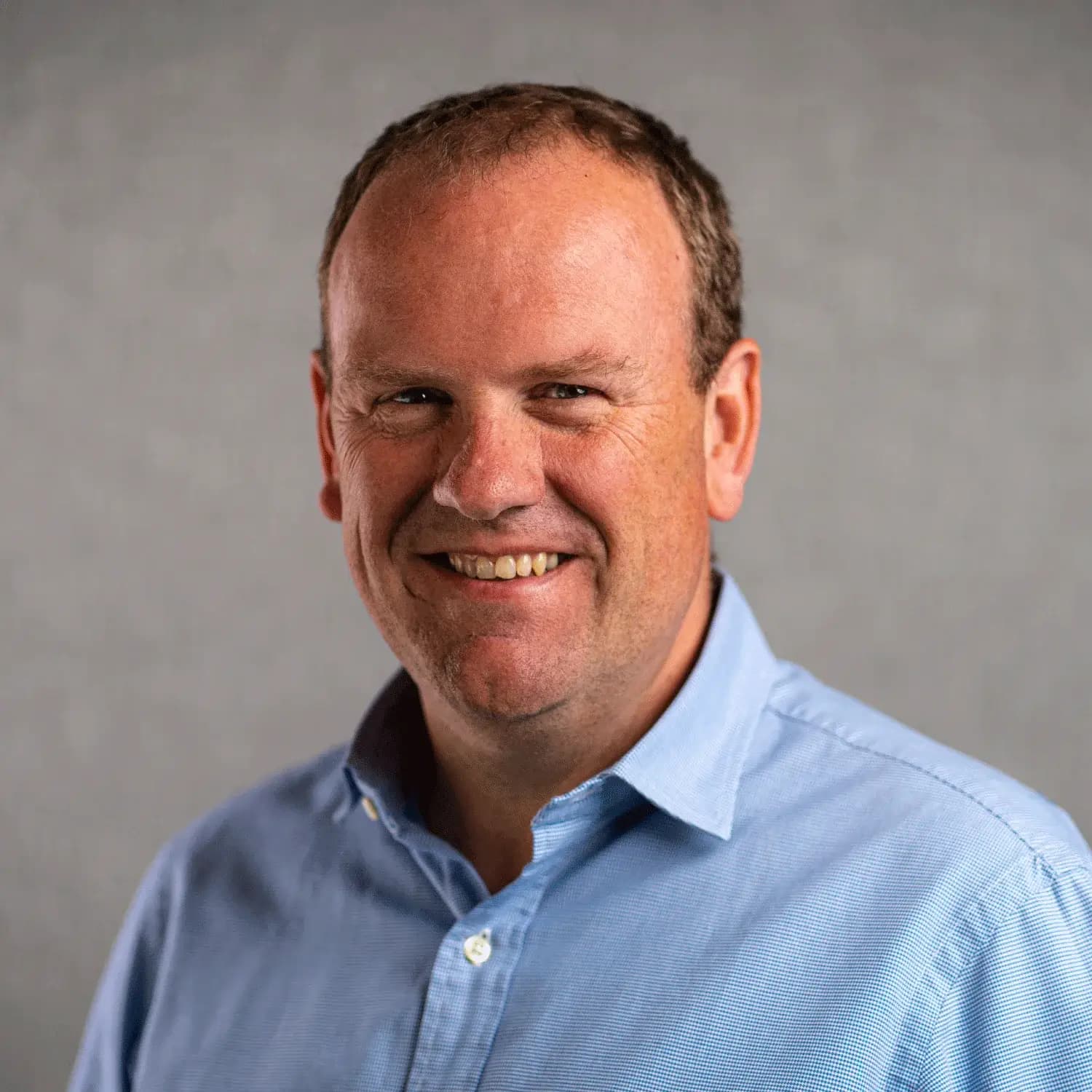
Leading Global Thinker on Customer Experience; Co-founder of Nexxworks; Bestselling Author
Pioneering customer relations through technology and human connection.
Chief Scientist, UNSW.ai; Laureate Fellow & Scientia Professor of Artificial Intelligence, UNSW Sydney; Author of 2062: The World that AI Made
Making sense of AI, its promise, and its profound implications.

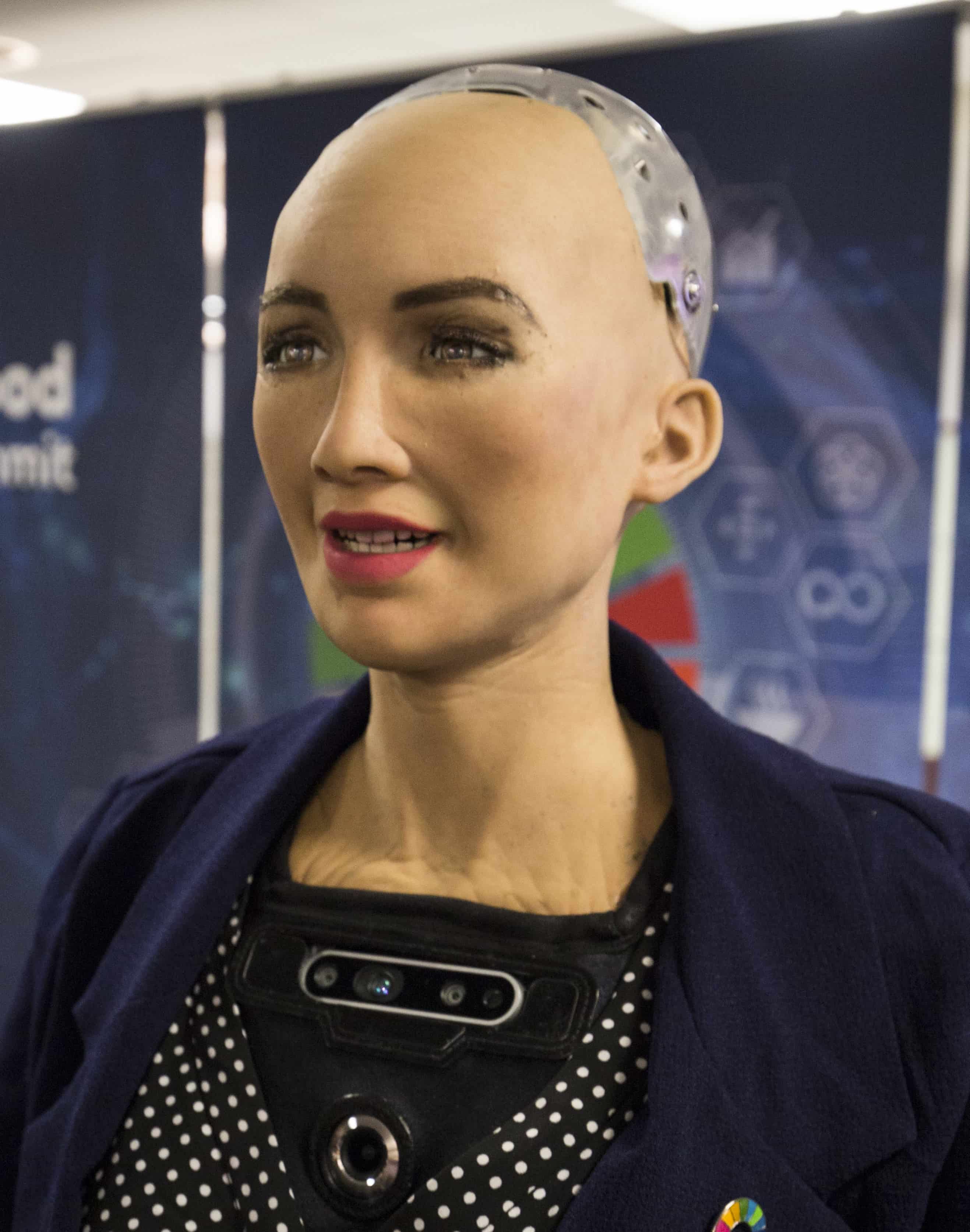
Founder & CEO of Hanson Robotics; Creator of Sophia the Robot; Expert in Human-like AI
Merging empathy and AI to transform robotics and human interaction.

Scientific Director, Swiss AI Lab (IDSIA); Pioneer in Deep Learning & AI; Co-founder, NNAISENSE
Pioneering the future landscape of artificial intelligence and machine learning.
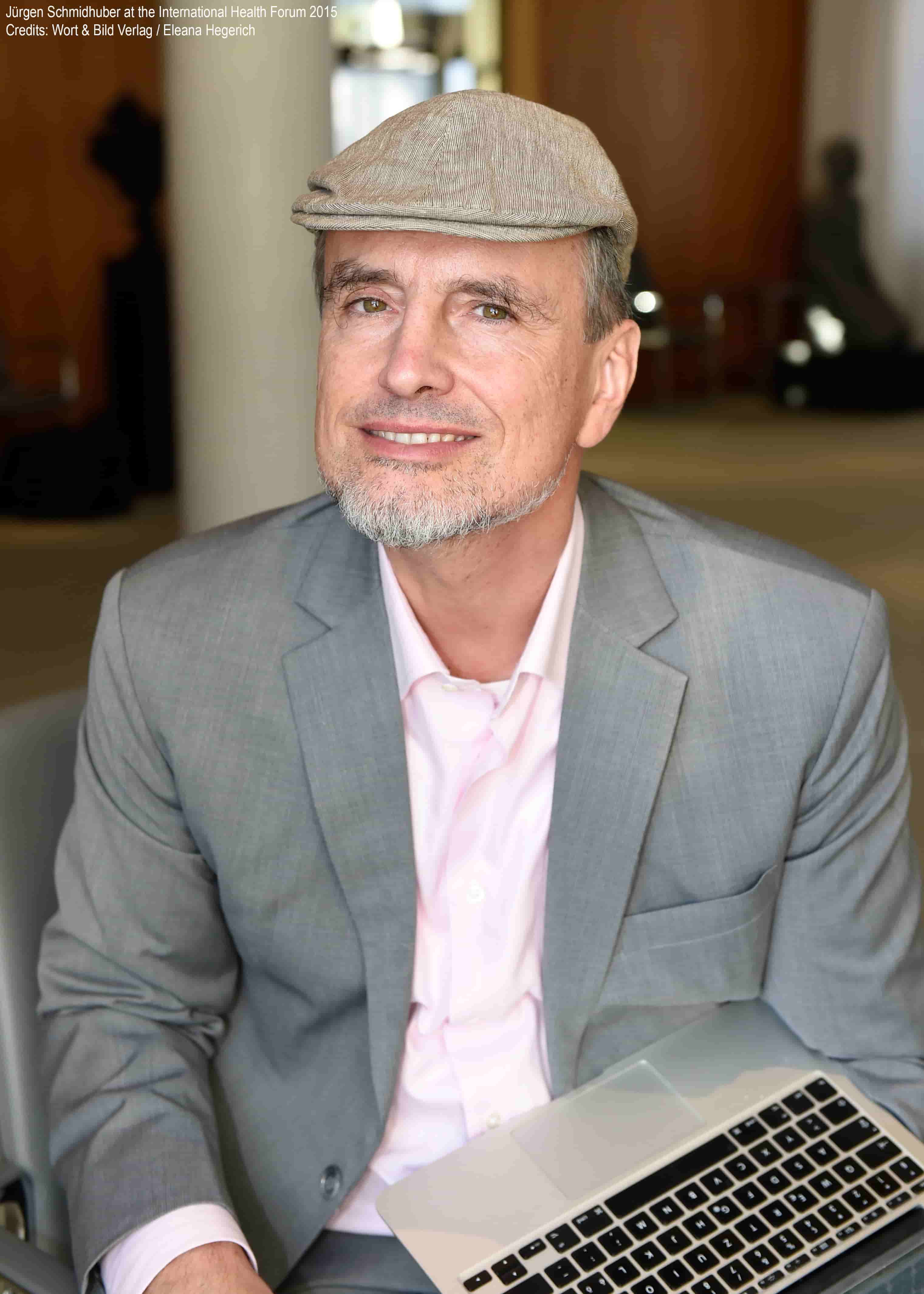
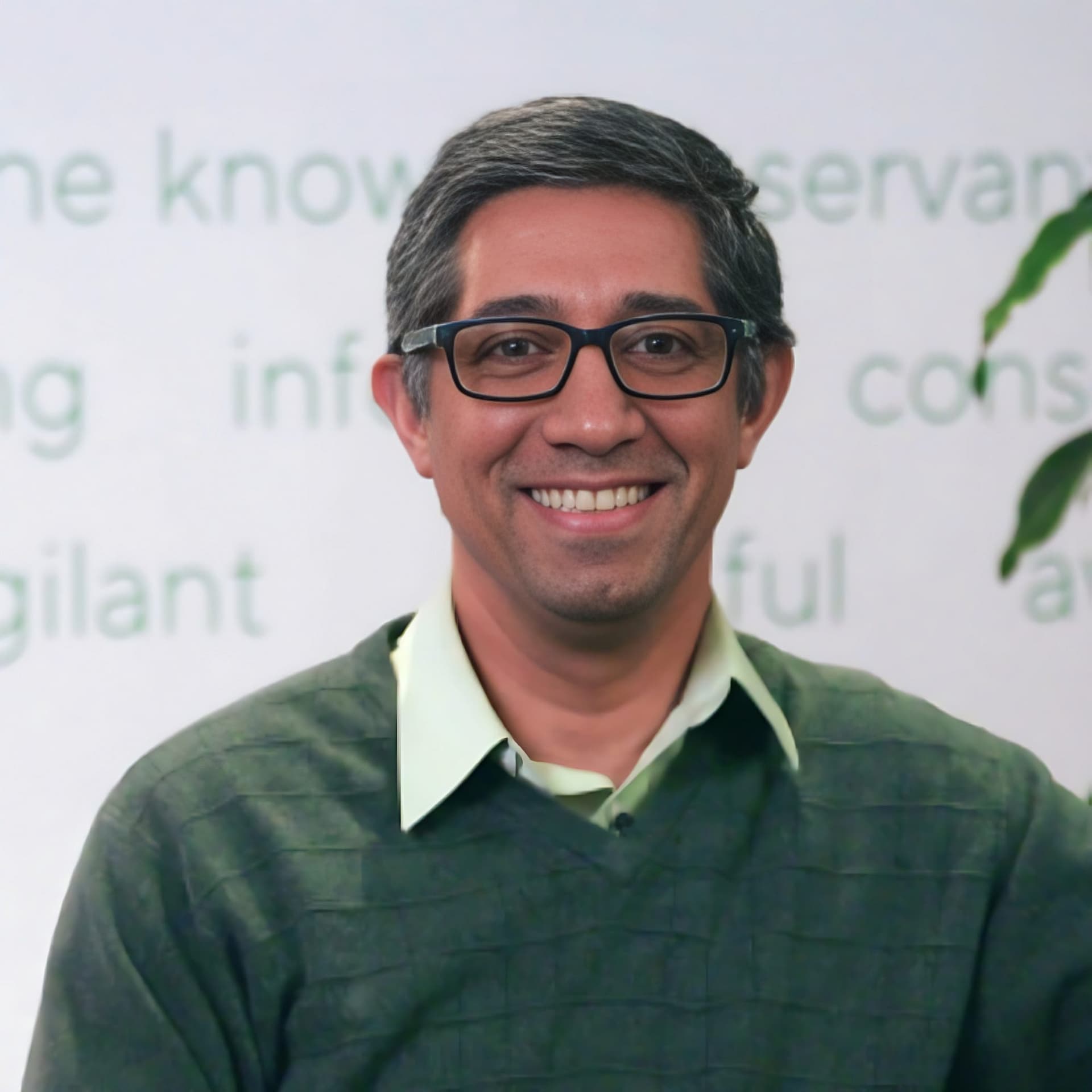
CTO AI, Cognizant; Co-founder & Chief Scientist, Sentient Technologies; Inventor of Siri's Foundational Technology
Foreseeing AI's impact on human potential and society.
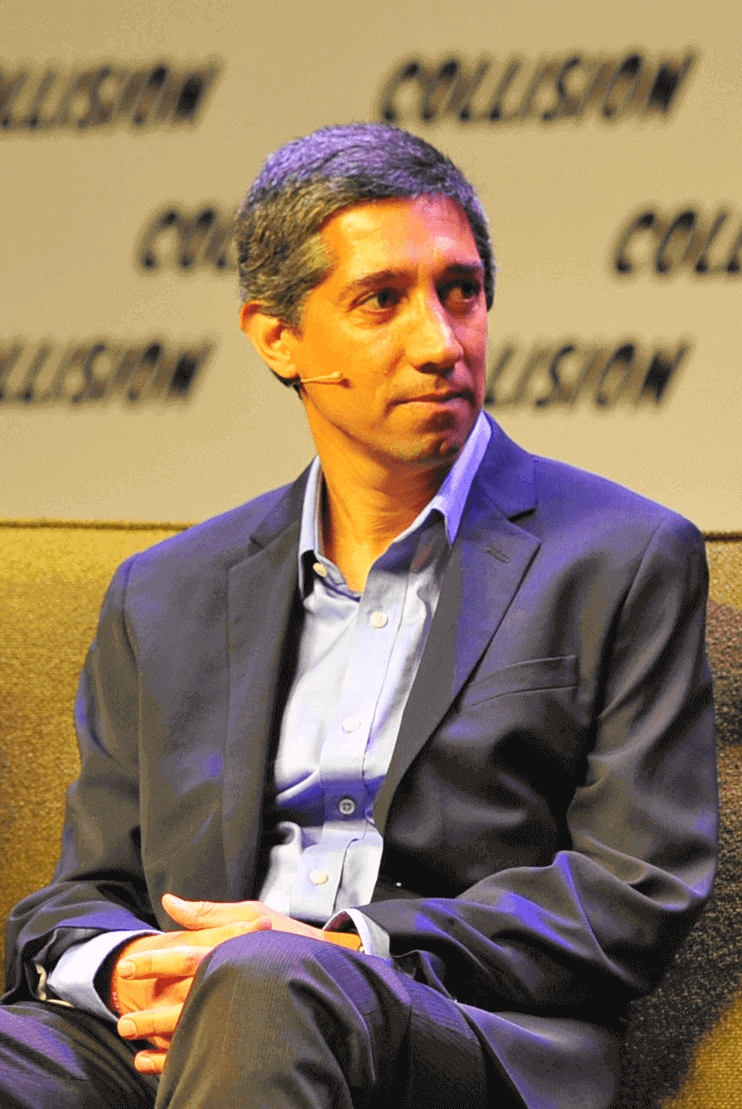

Science Communicator & Futurist
Illuminating a future where science fiction becomes reality.
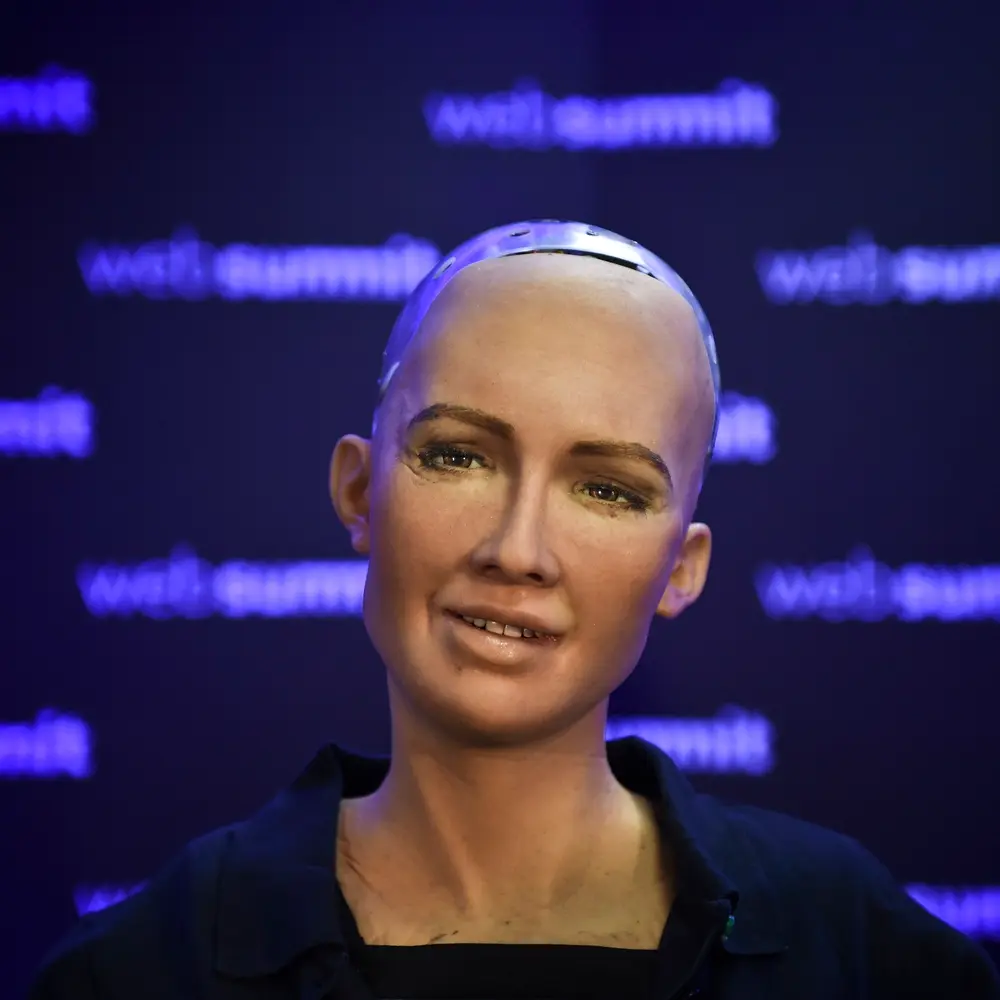
First Robot Citizen; UN Innovation Ambassador; Advanced AI & Robotics Platform
Pioneering the dialogue between AI and human collaboration.
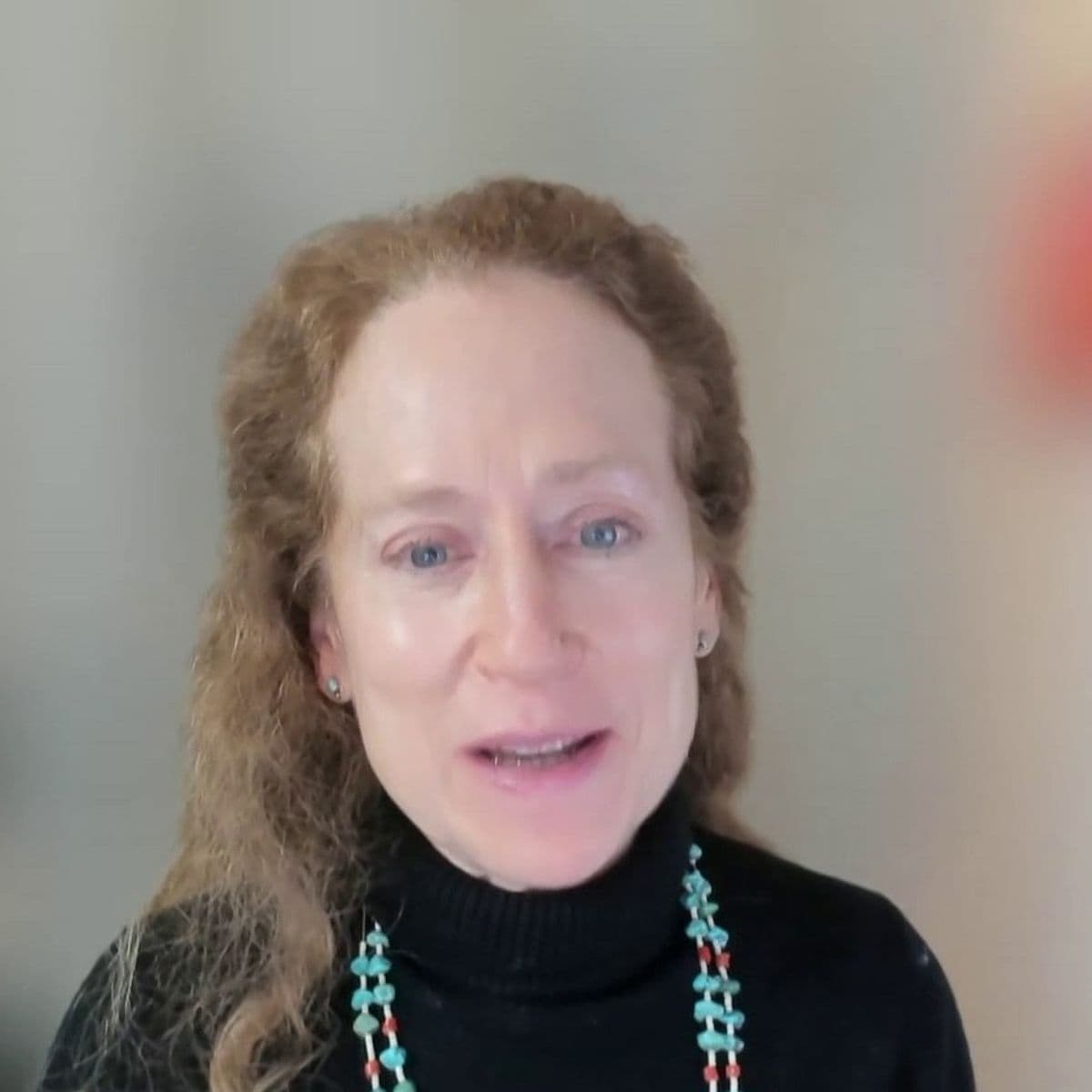
Directrice de Recherche, Inria Paris & Founding International Chair, PRAIRIE Institute; SCS Dean’s Professor of Language Technologies, Carnegie Mellon University; Foundational Pioneer of Conversational AI
Amplifying human potential through ethical AI interactions.
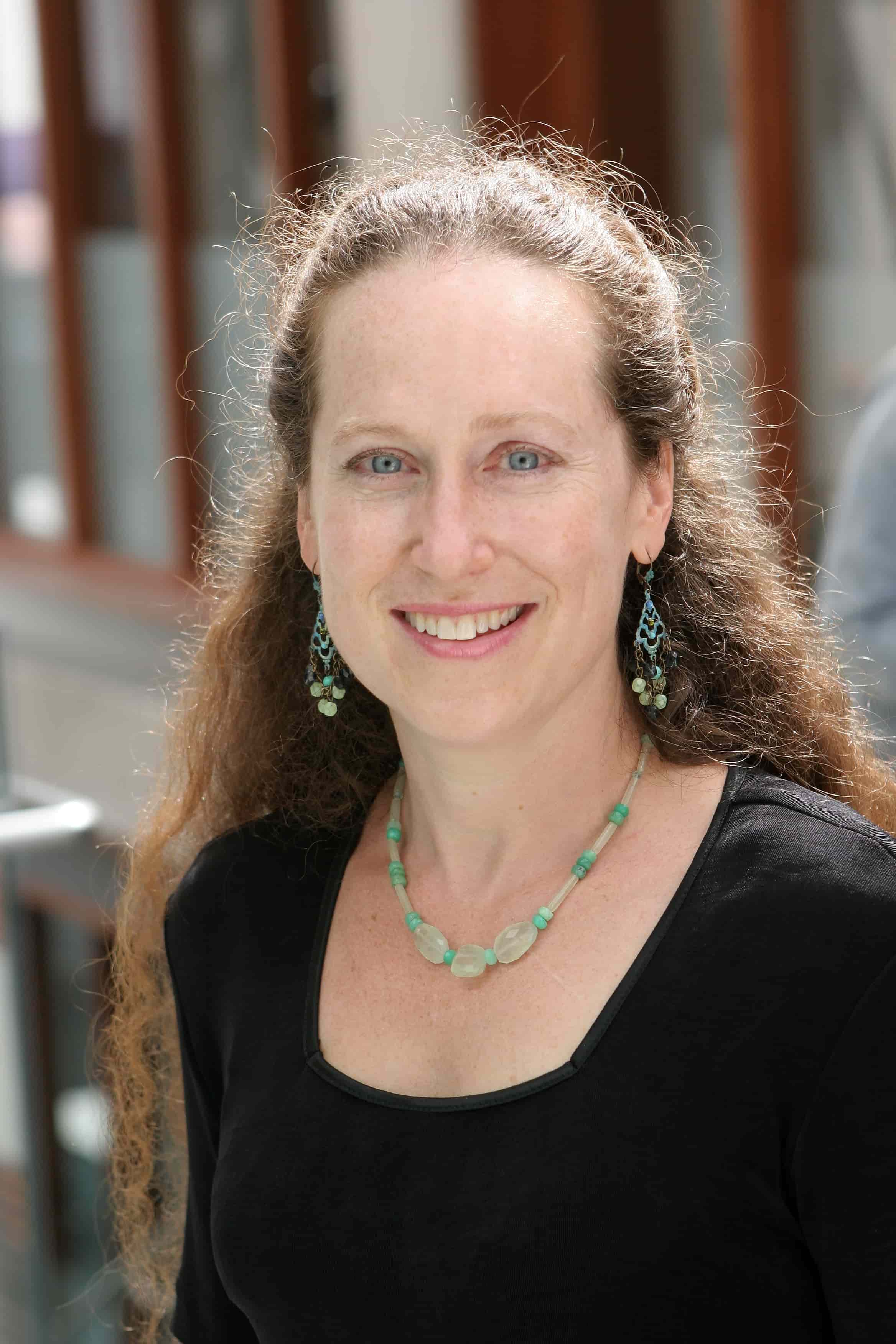

Former Executive, Alibaba; International Speaker on AI & E-commerce; Author of Ecommerce Reimagined
Redefining retail through AI innovation and responsible advancement.
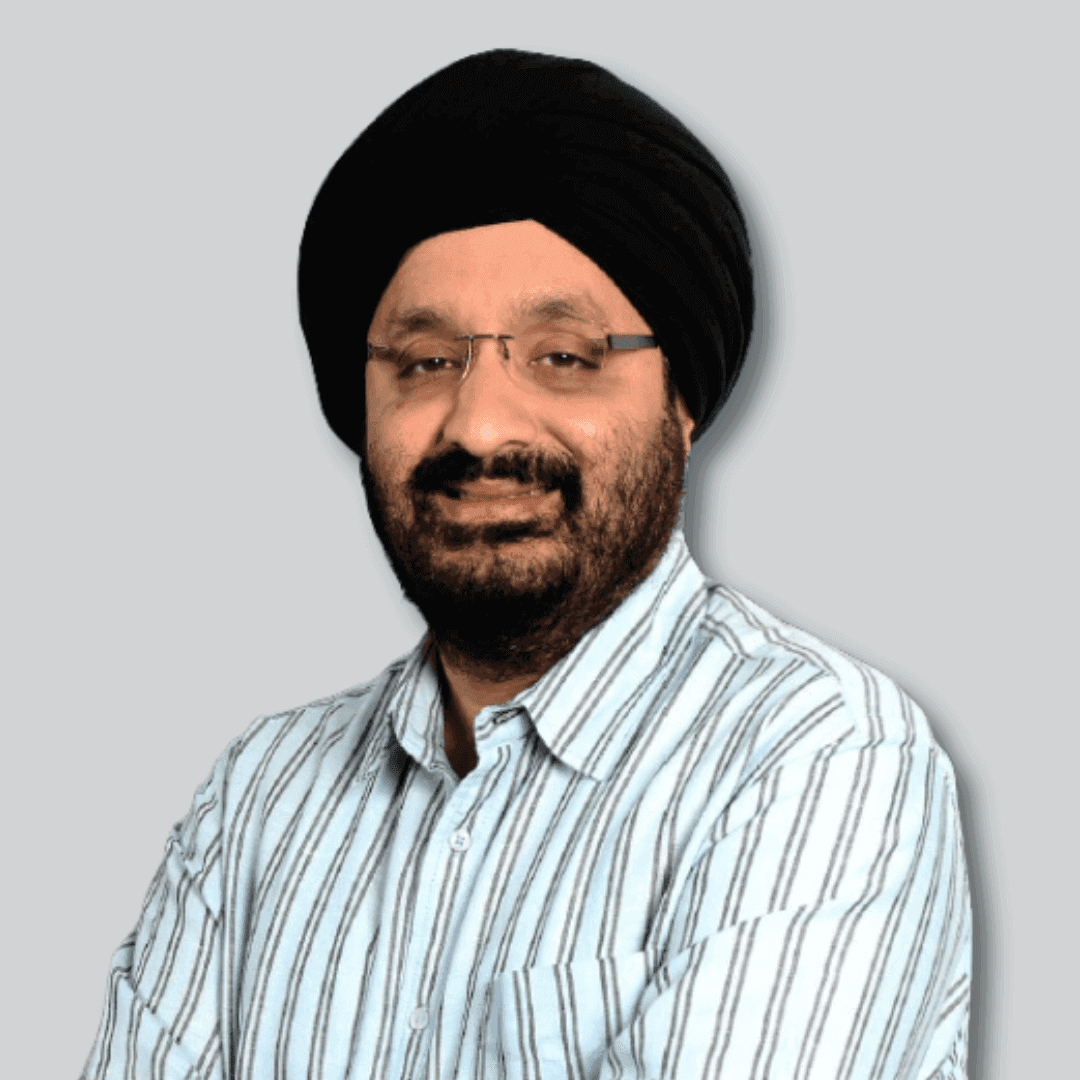
Founder, AI&Beyond; Author of Winning with AI and The Tech Whisperer; Visiting Faculty, Ashoka University; Educator, Harvard Business Publishing Corporate Learning
Redefining technology through practical value and strategic insight.
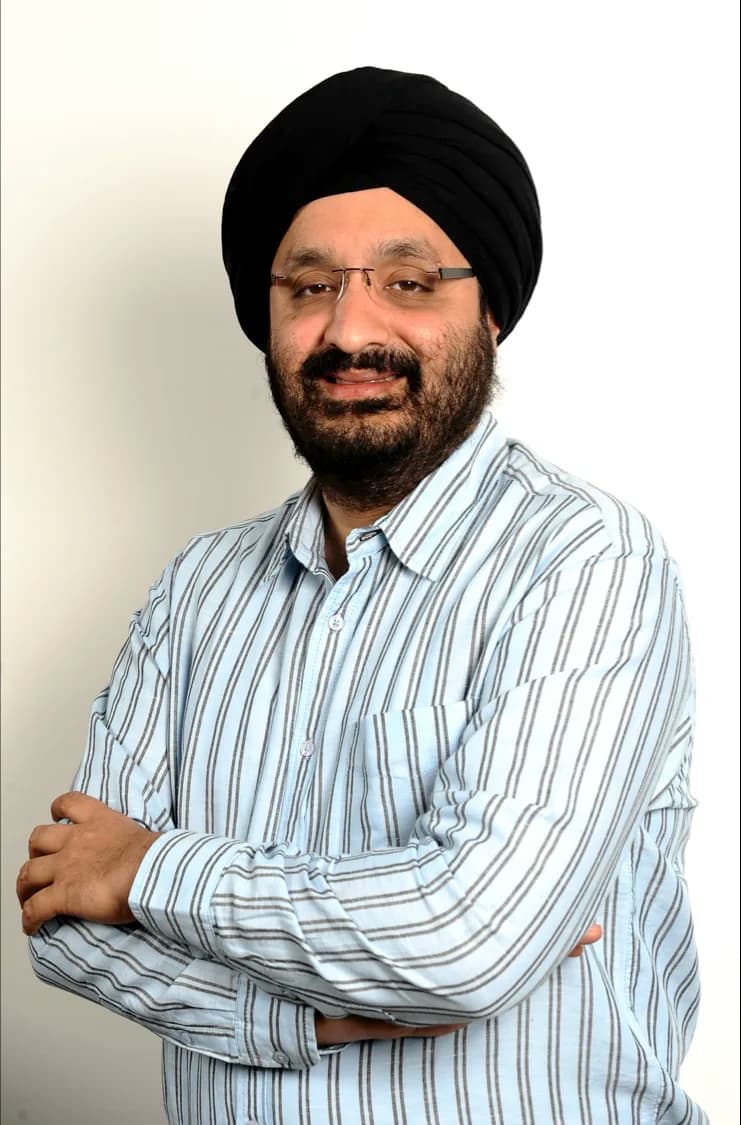
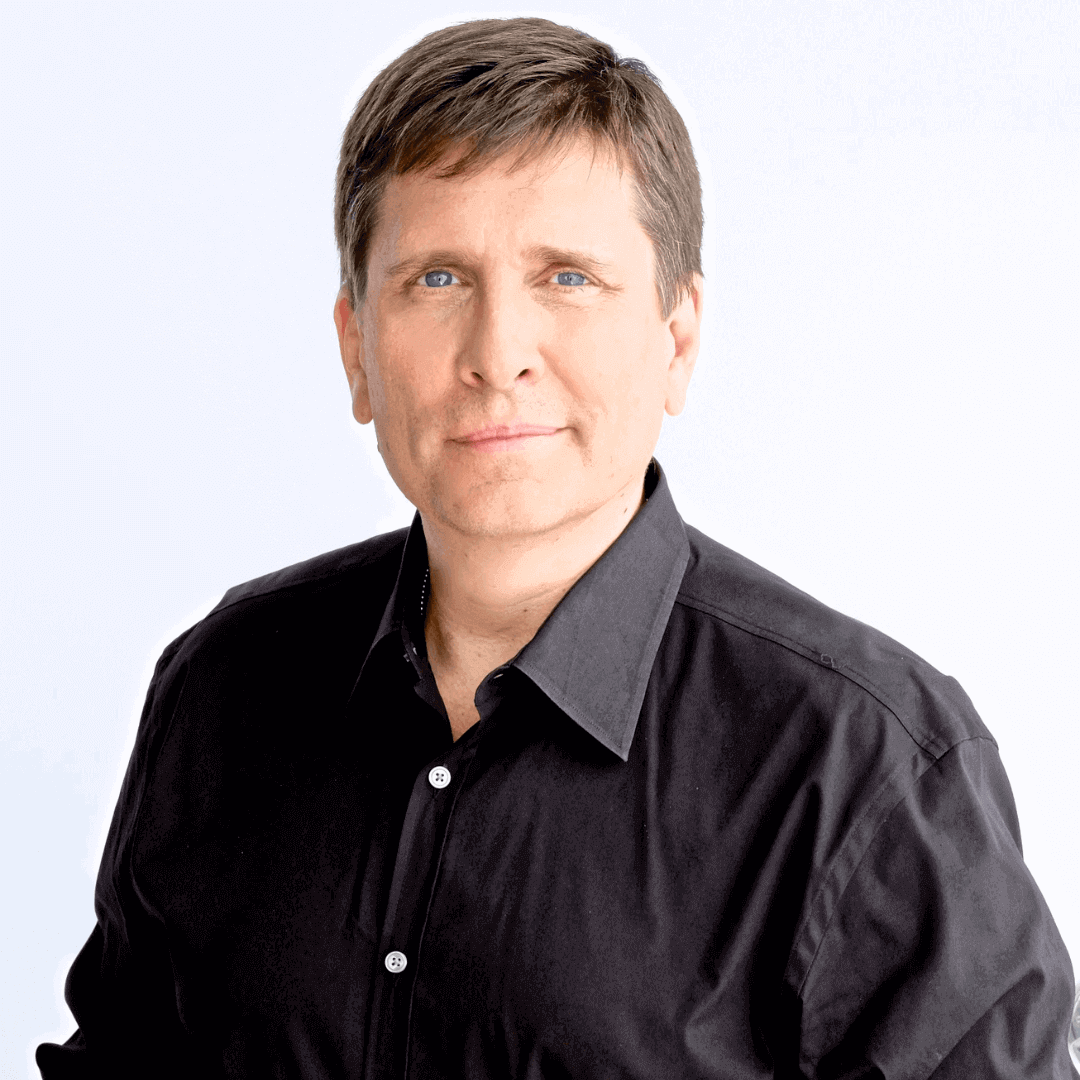
Founder, NOSTALAB; Global Innovation & Technology Futurist; Faculty Affiliate, Harvard Medical School (Former)
Pioneering the fusion of health and digital innovation.
AI Author & Futurist; Co-founder, Economic Singularity Foundation; Co-founder, Conscium (AI safety)
Exploring how AI reshapes jobs, policy, and the human future.
We can help you find the perfect speaker for your event, even if they're not listed on our website.
Boards and governance forums often seek AI ethics speakers when oversight expectations are rising faster than internal policy maturity. The most effective sessions help directors and senior leaders think through accountability, decision rights, risk exposure, and how responsible AI should be governed across products, vendors, and business units.
At enterprise AI summits, AI ethics keynote speakers can anchor the conversation by connecting technical capability with operational responsibility. This is especially useful when organizations are scaling model use across functions and need a shared language for safety, transparency, fairness, and internal control.
Product leaders, legal teams, and risk functions often need AI ethics speakers who can speak to implementation rather than theory. These sessions are valuable when teams are building policies, reviewing model behavior, or deciding how human oversight should work in high-stakes use cases.
Responsible AI has become the umbrella subtopic most decision-makers encounter first because it translates ethical concern into governance, process, and design choices. AI ethics speakers working in this area often address model evaluation, documentation, oversight, and escalation paths, helping institutions understand what responsible deployment looks like beyond broad statements of principle.
AI bias and fairness remain central because the business consequences are concrete: unequal outcomes, legal exposure, damaged trust, and flawed decisions that scale quickly. AI ethics keynote speakers on this subtopic help teams examine training data, proxy variables, model behavior, and review practices so fairness is treated as a performance issue as well as a moral one.
AI governance reflects how fast the field is maturing. As organizations move from experimentation to embedded use, they need structures for approval, monitoring, accountability, and policy enforcement. AI ethics speakers covering governance are especially relevant for executives, compliance leaders, and transformation teams deciding who owns risk, what standards apply, and how AI decisions should be audited over time.