Your enquiry list is empty
Add speakers to your enquiry list by clicking the "Add to Enquiry List" button on their profile.
Philosophy may sound abstract until you notice how often real-world decisions depend on it. Questions about ethics, meaning, judgment, truth, freedom, responsibility, and the good life do not disappear inside business, politics, technology, or leadership. They simply become harder to name....
Popular philosophy keynote speakers include Nassim Nicholas Taleb, Deepak Chopra, Jay Shetty, and Nick Bostrom.
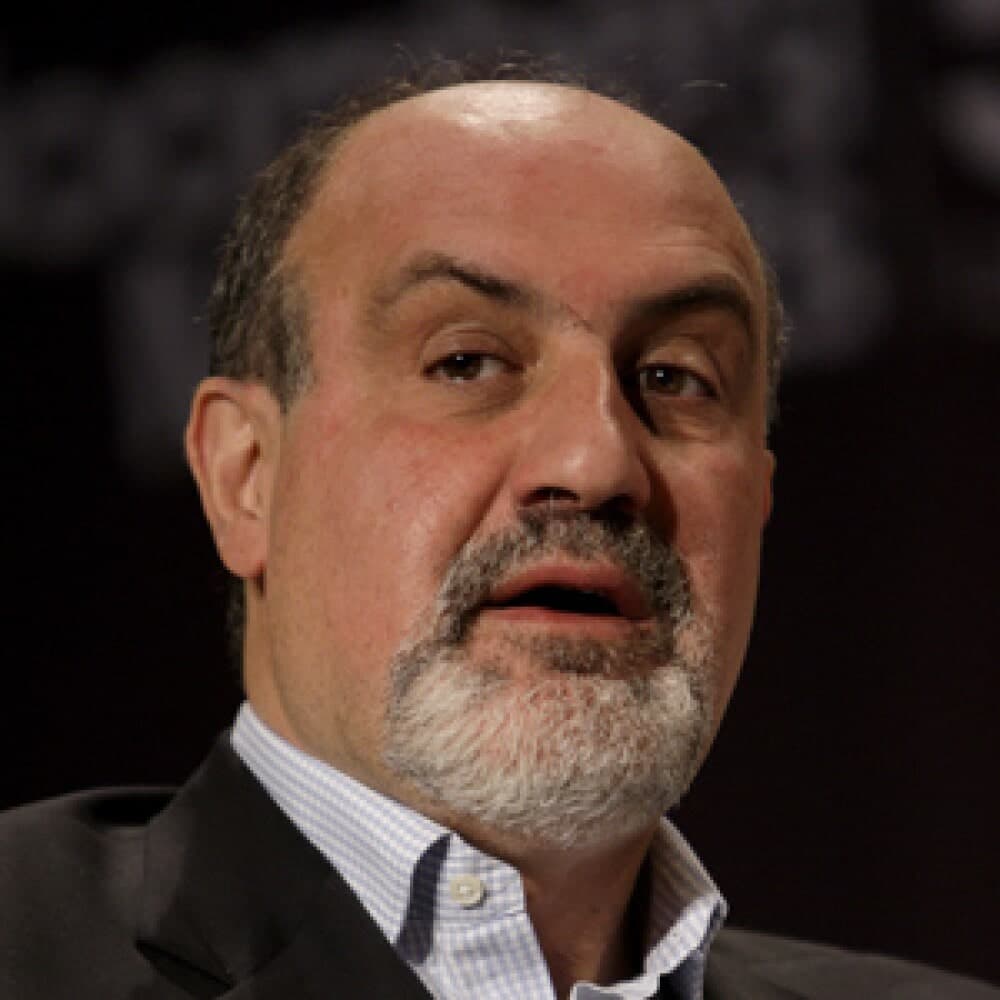
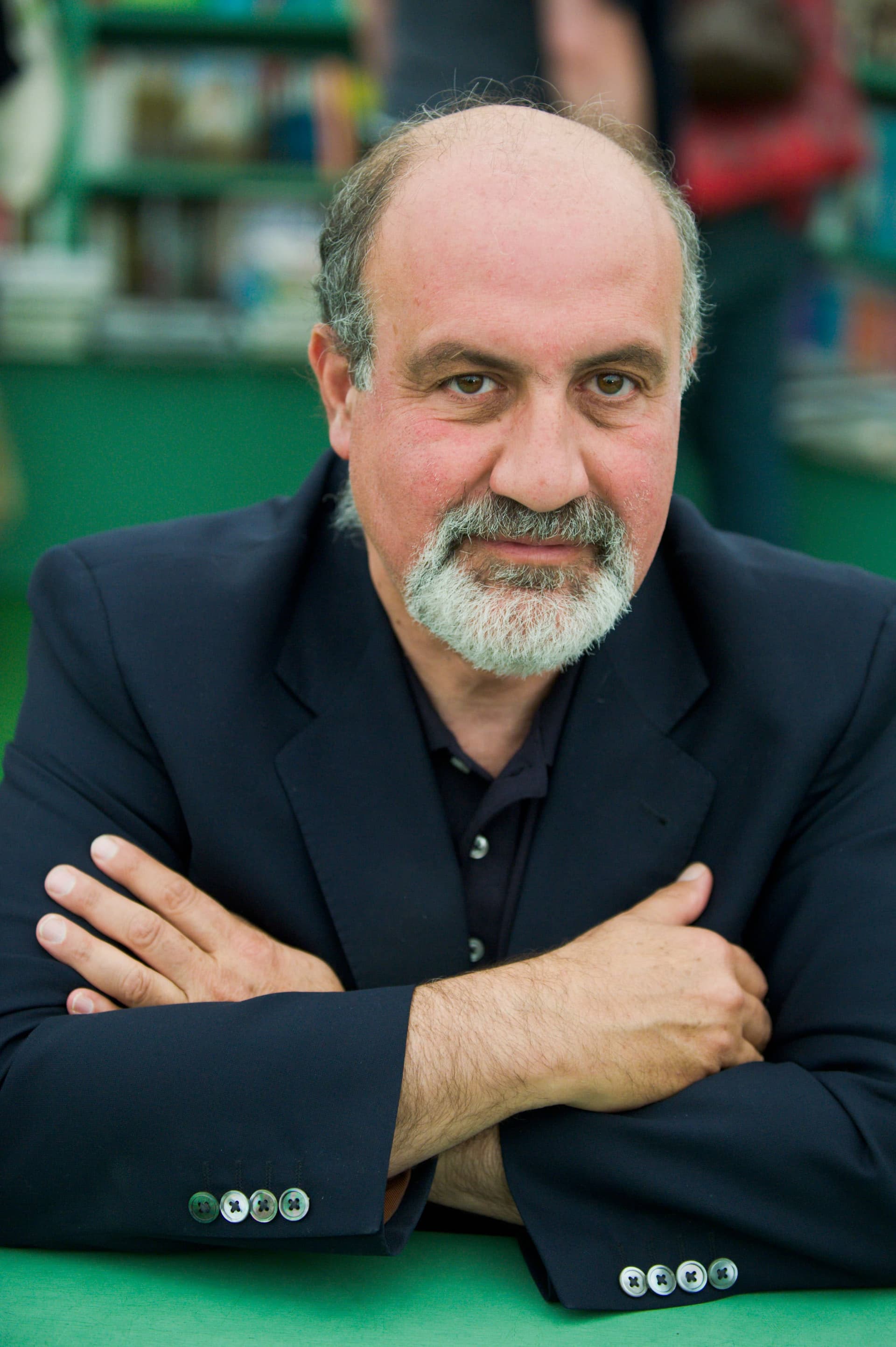
Author of The Black Swan; Distinguished Professor of Risk Engineering, New York University
Understanding uncertainty, randomness, and antifragility in business and life
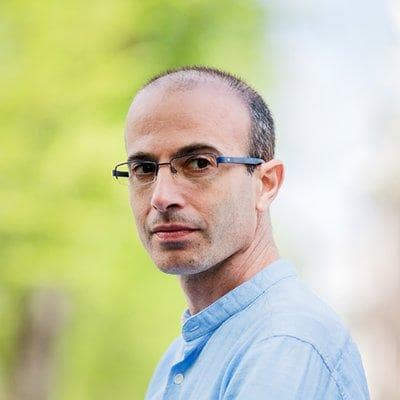
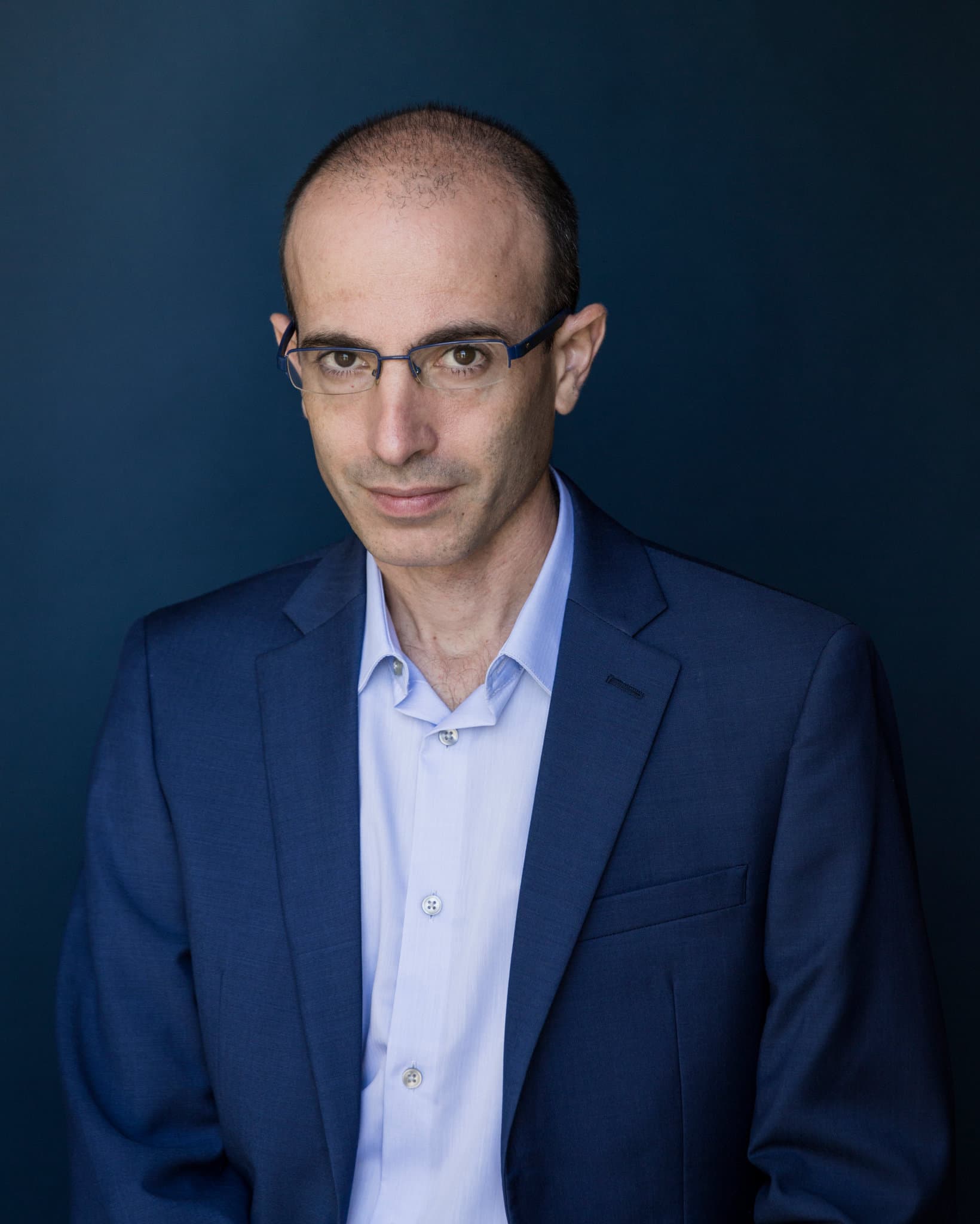
Historian; Bestselling Author of Sapiens
Interpreting the past to illuminate the future of humanity
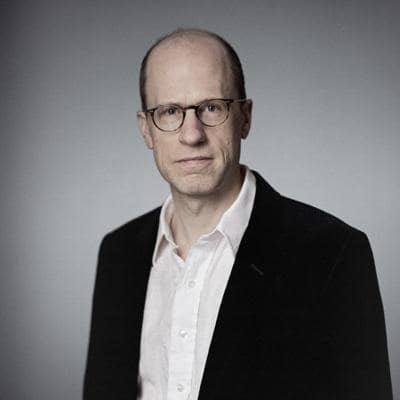
Founder & Principal Researcher, Macrostrategy Research Initiative; Author of Superintelligence and Deep Utopia; Founding Director, Future of Humanity Institute (2005–2024)
Exploring human future and ethical AI implications.

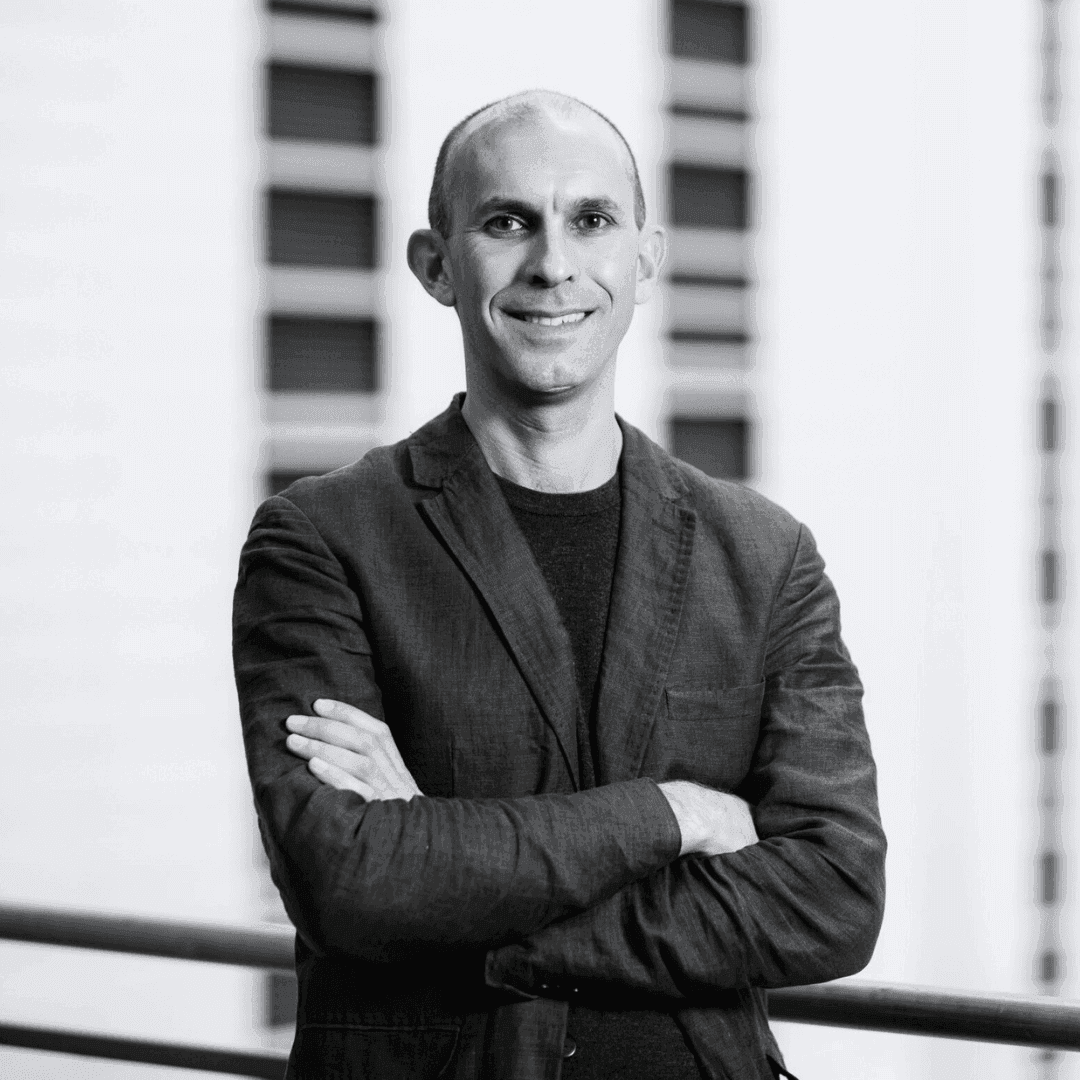
Professor of Cognitive & Computational Neuroscience; Director, Sussex Centre for Consciousness Science; Bestselling Author
Exploring consciousness and redefining our understanding of the mind.
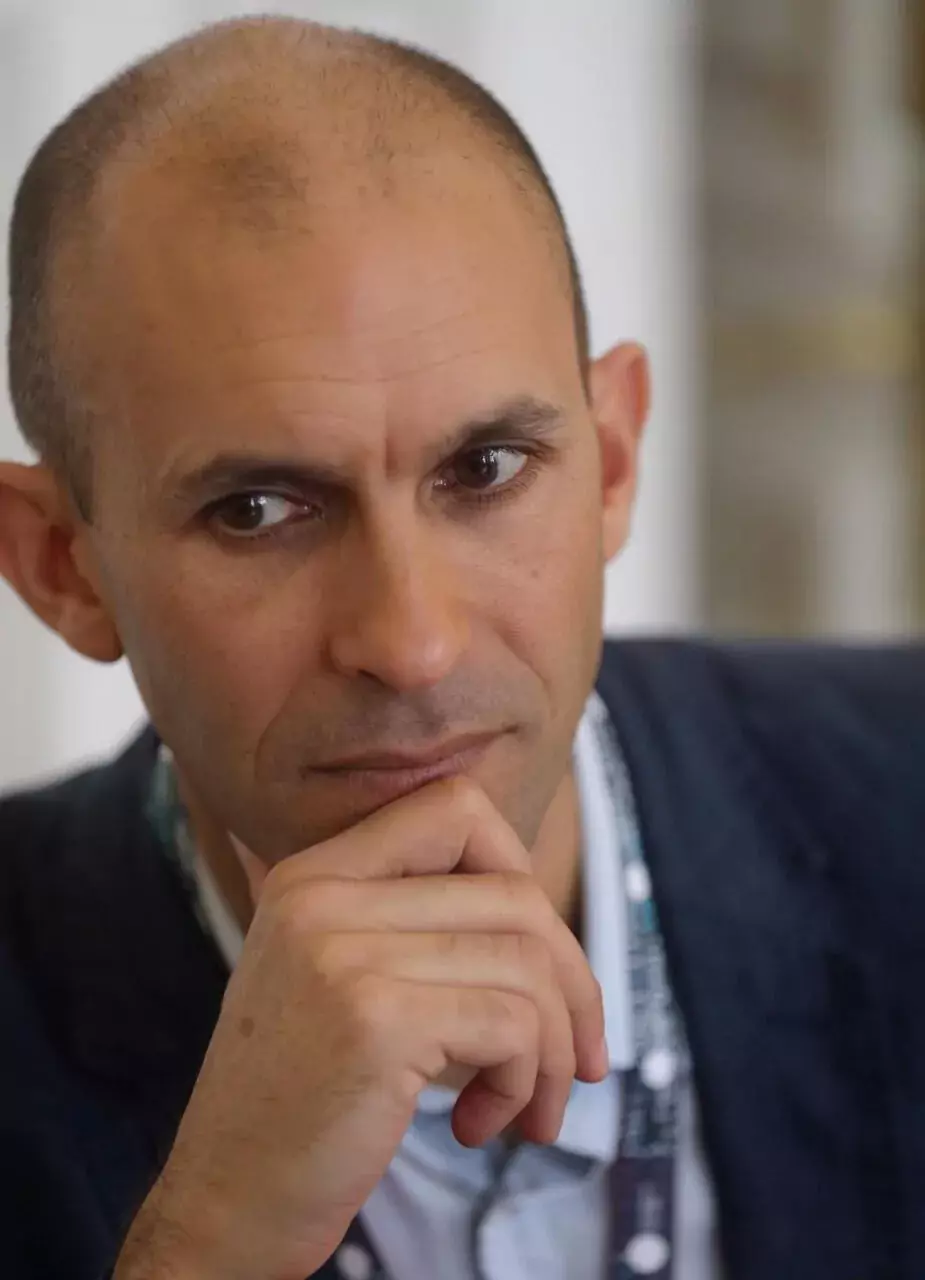

#1 New York Times Bestselling Author; Modern Stoic Philosopher & Media Strategist
Ancient wisdom for modern leadership, resilience, and personal growth
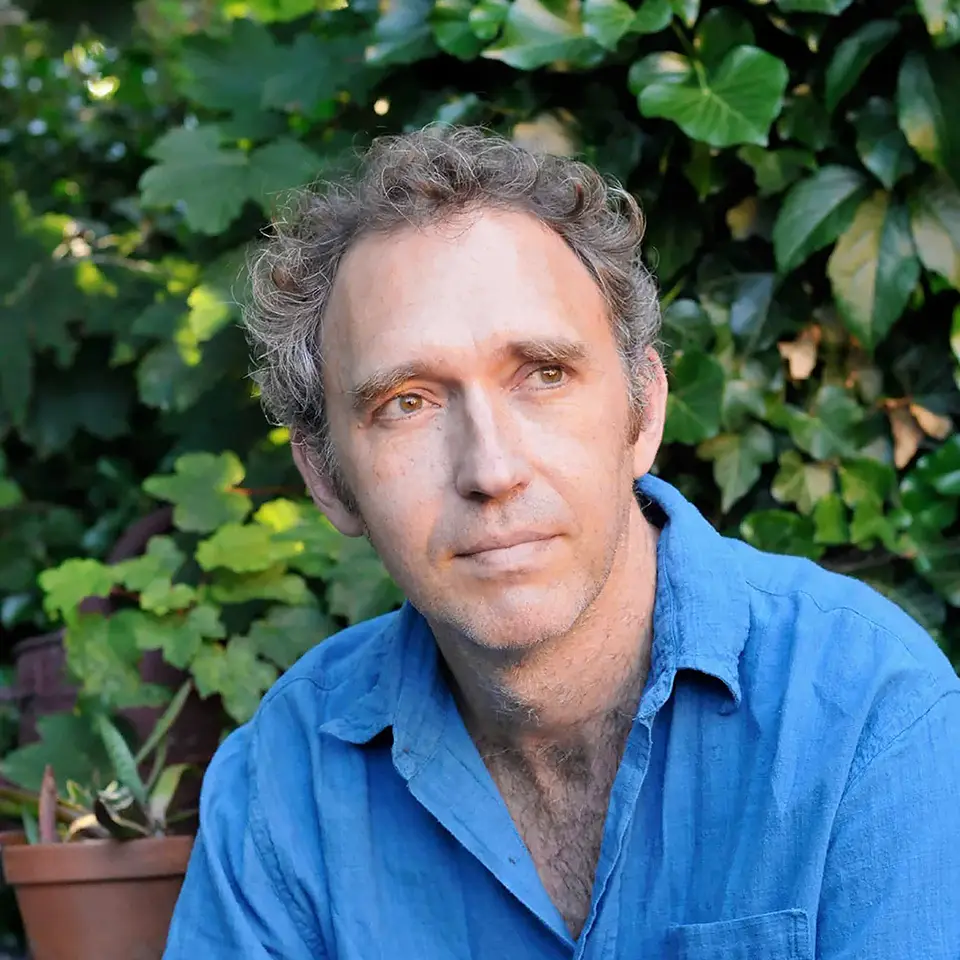
Author of Empathy; Social Philosopher
Exploring empathy and legacy for a more humane future.

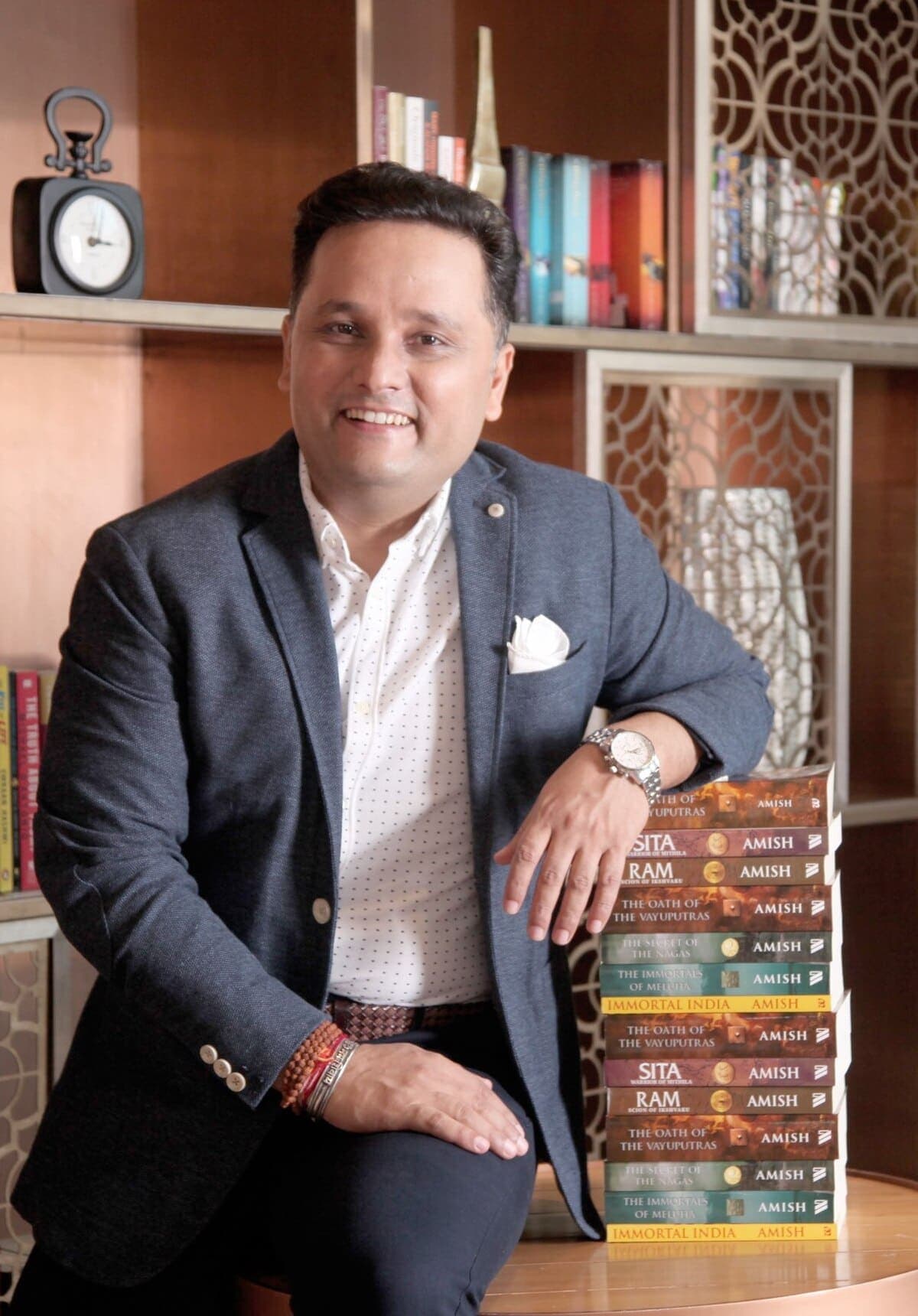
Bestselling Author of The Shiva Trilogy; Former Diplomat; Expert on Mythology & Leadership
Pioneering Indian mythology through literature and diplomatic dialogue.
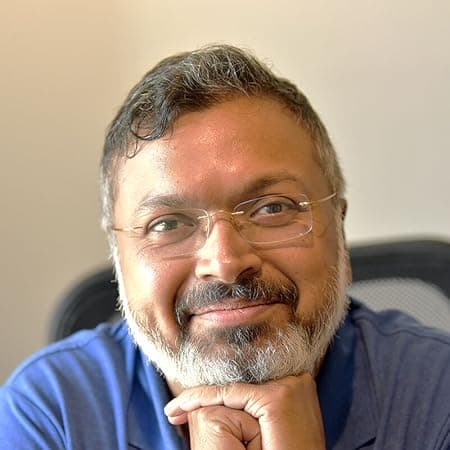
Cultural Consultant & Mythologist; Bestselling Author of Business Sutra; Expert on Indian Mythology & Management
Exploring the confluence of mythology, business, and human perception.
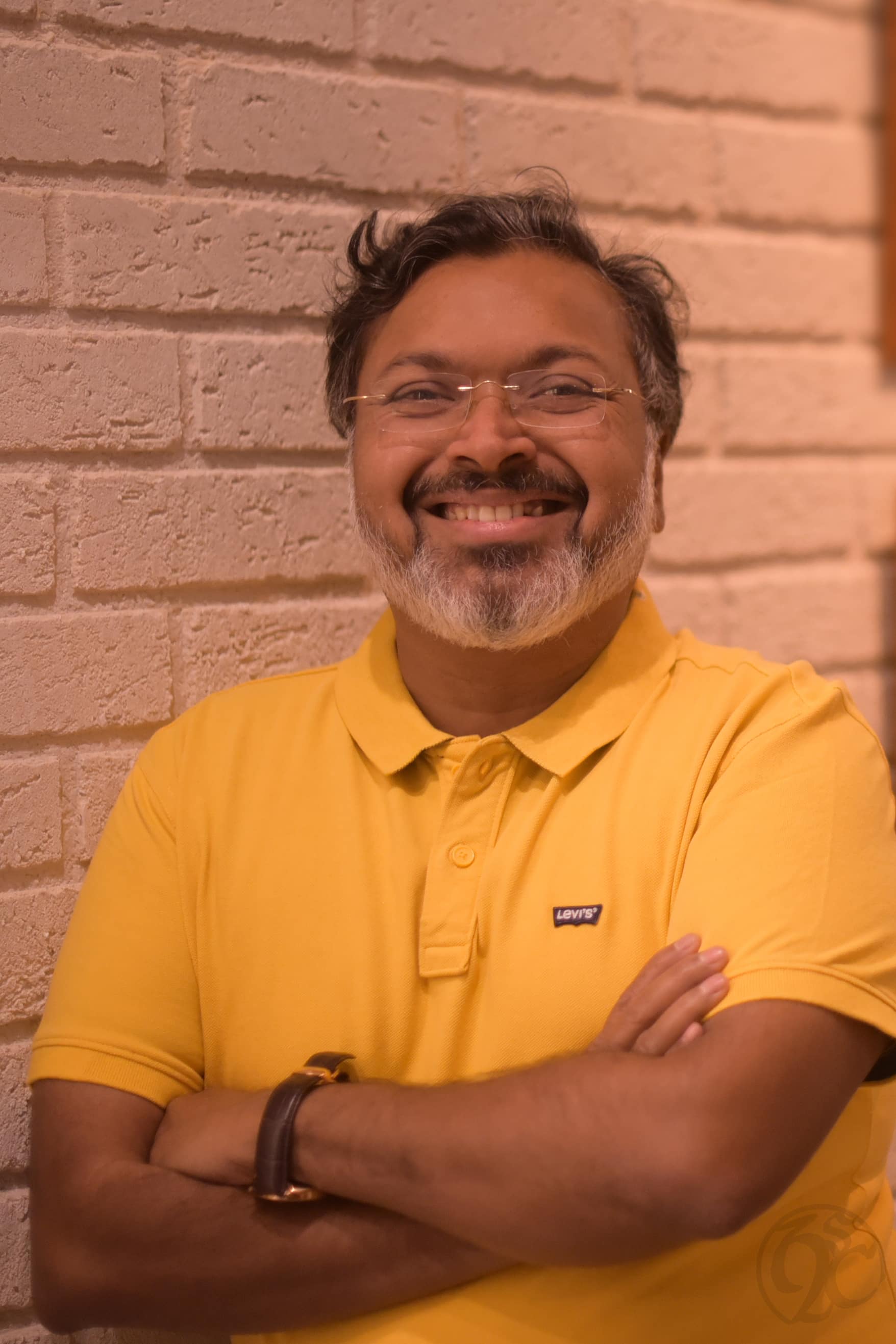
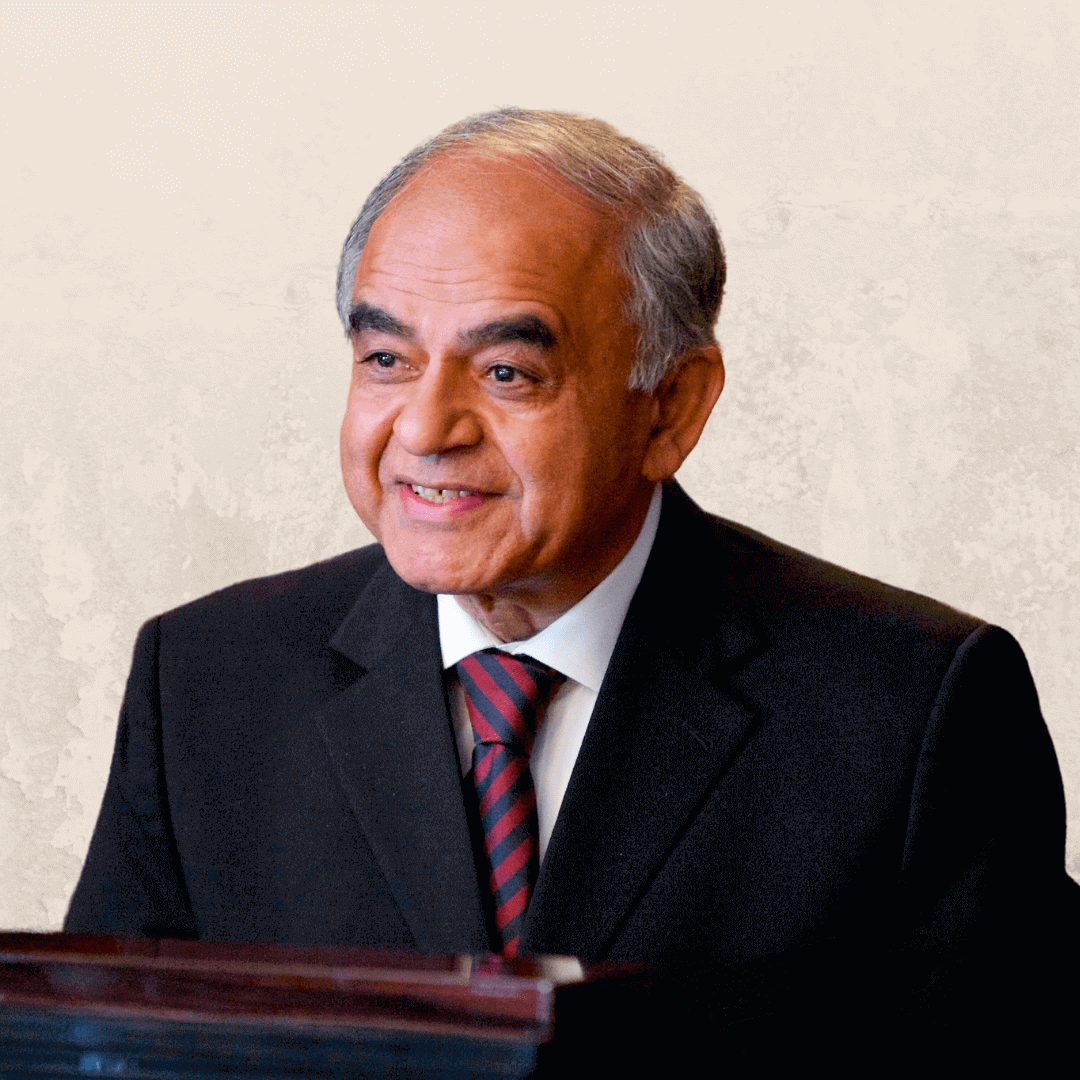
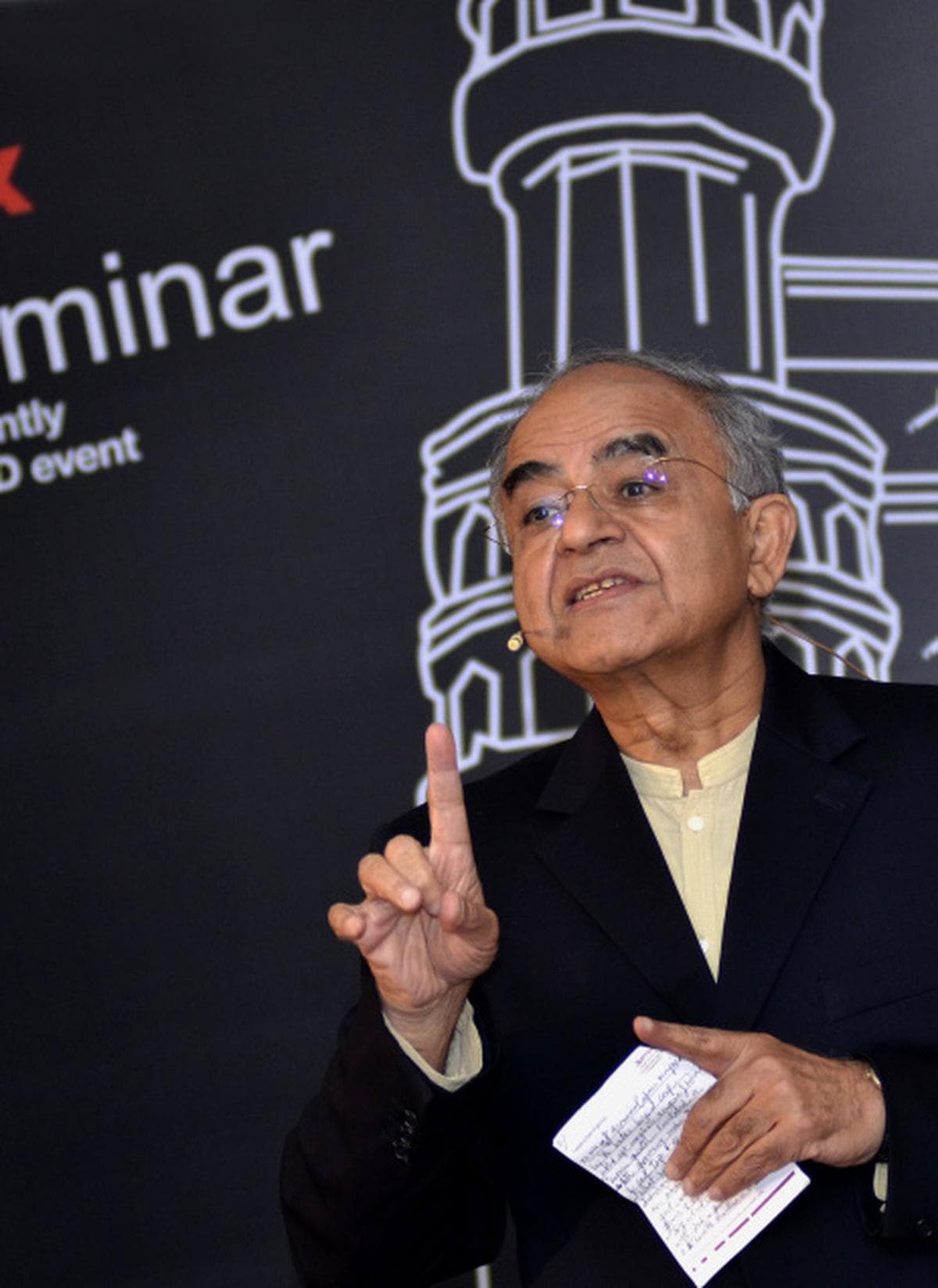
Former CEO, Procter & Gamble India; Bestselling Author & Philosopher; Harvard Alumnus
Interpreting India’s moral, economic, and spiritual dilemmas through reason
Entrepreneur & Visionary Philosopher; WEF Young Global Leader; Author of Lost Wisdom of the Swastika
Bridging spirituality and innovation for sustainable societal growth.
We can help you find the perfect speaker for your event, even if they're not listed on our website.
Universities and academic conferences often need philosophy speakers who can bring rigor, range, and contemporary relevance to the stage. The best sessions connect classic ideas to current questions about ethics, meaning, politics, technology, and how societies reason through complexity.
Leadership and executive forums benefit from philosophy keynote speakers when the audience wants sharper thinking rather than quick frameworks. Philosophy speakers in this context can help leaders examine judgment, responsibility, moral trade-offs, and the assumptions hidden inside decision-making.
Public dialogues and cultural events often book philosophy speakers because the topic opens space for slower, deeper reflection. Their perspective is especially valuable when the conversation touches identity, freedom, values, uncertainty, or the wider questions shaping contemporary life.
Ethics is one of the most searched philosophy subtopics because it speaks directly to how people and institutions ought to act. Philosophy speakers on this theme can help audiences explore moral responsibility, fairness, duty, and competing values in a way that feels relevant to leadership, technology, public life, and everyday decision-making. The business consequences become clear wherever choices carry social weight.
The field is increasingly approached through questions of meaning rather than theory alone. Philosophy keynote speakers covering purpose and the good life explain why ancient and modern thinkers still matter in a world shaped by performance, distraction, and constant comparison. This subtopic is especially relevant for audiences reflecting on success, fulfillment, and what a worthwhile life actually requires.
Technology has pushed philosophy back into practical relevance by raising difficult questions about truth, agency, consciousness, surveillance, and human judgment. Philosophy speakers on this area can help decision-makers and institutions think more clearly about the consequences of innovation. It is a valuable subtopic for audiences trying to interpret how new tools are changing not only systems, but human life itself.