Your enquiry list is empty
Add speakers to your enquiry list by clicking the "Add to Enquiry List" button on their profile.
Neuroscience has moved well beyond the laboratory in the public imagination. It now influences how people think about learning, decision-making, stress, focus, habit formation, leadership, wellbeing, and performance. That shift has made neuroscience speakers increasingly relevant to corporate audiences, educators, healthcare forums, and innovation conferences....
Popular neuroscience keynote speakers include Deepak Chopra, Marc Raibert, Mo Gawdat, and Michael W. Young.
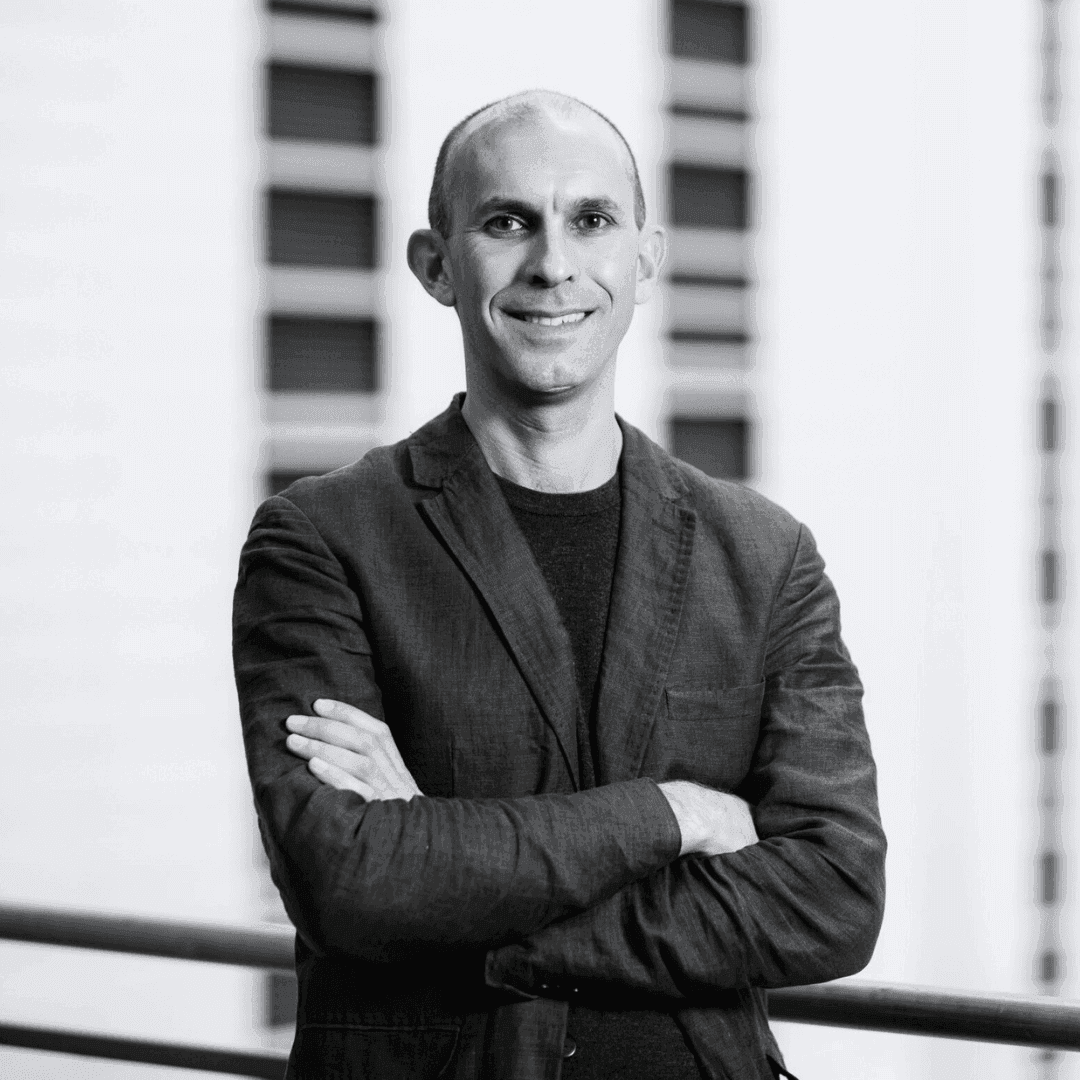
Professor of Cognitive & Computational Neuroscience; Director, Sussex Centre for Consciousness Science; Bestselling Author
Exploring consciousness and redefining our understanding of the mind.
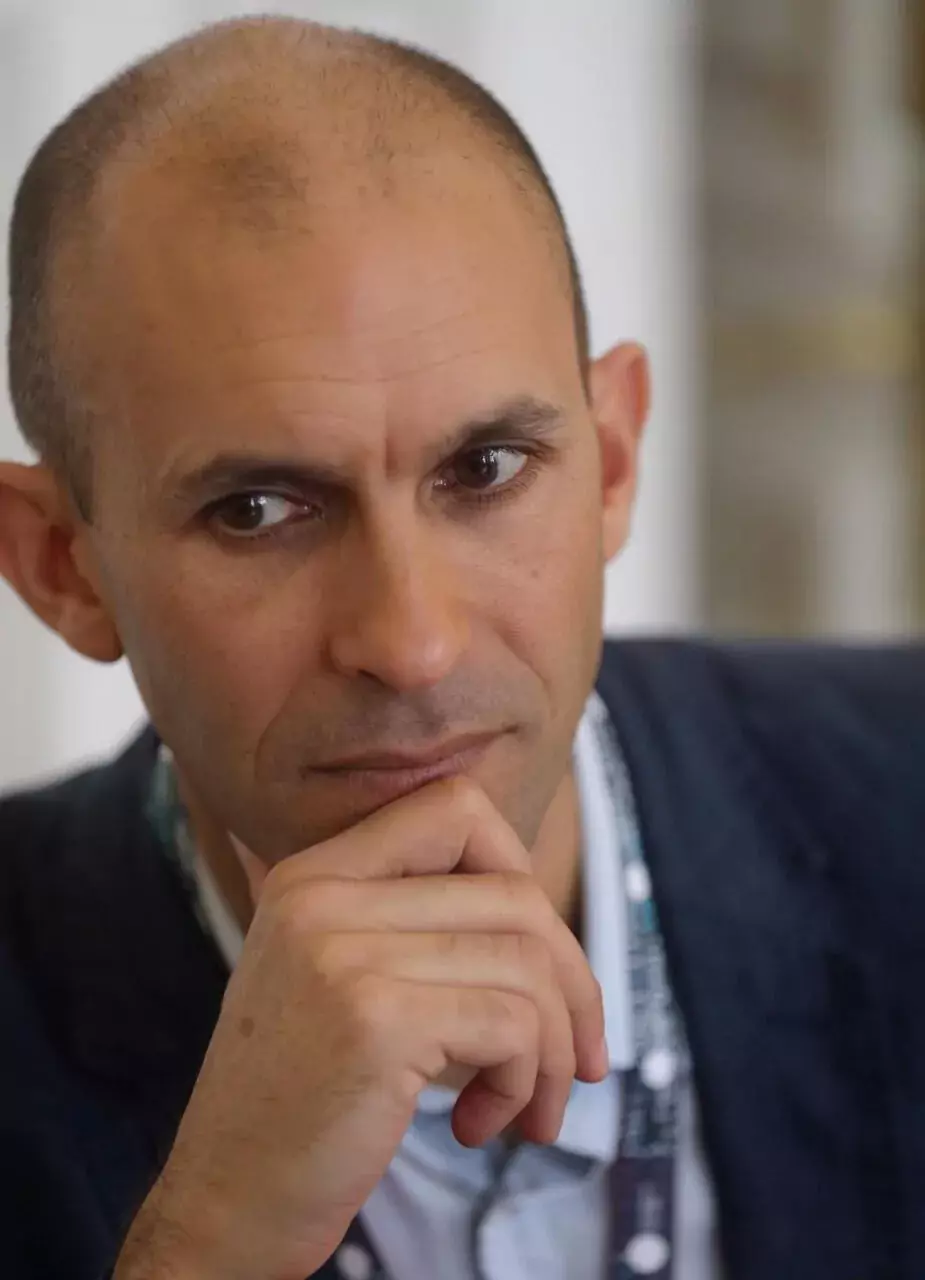

Nobel Laureate in Physiology or Medicine (2014); Neuroscientist & Co-discoverer of Grid Cells; Director, Kavli Institute for Systems Neuroscience
Unlocking human cognition through the grid's cerebral matrix.
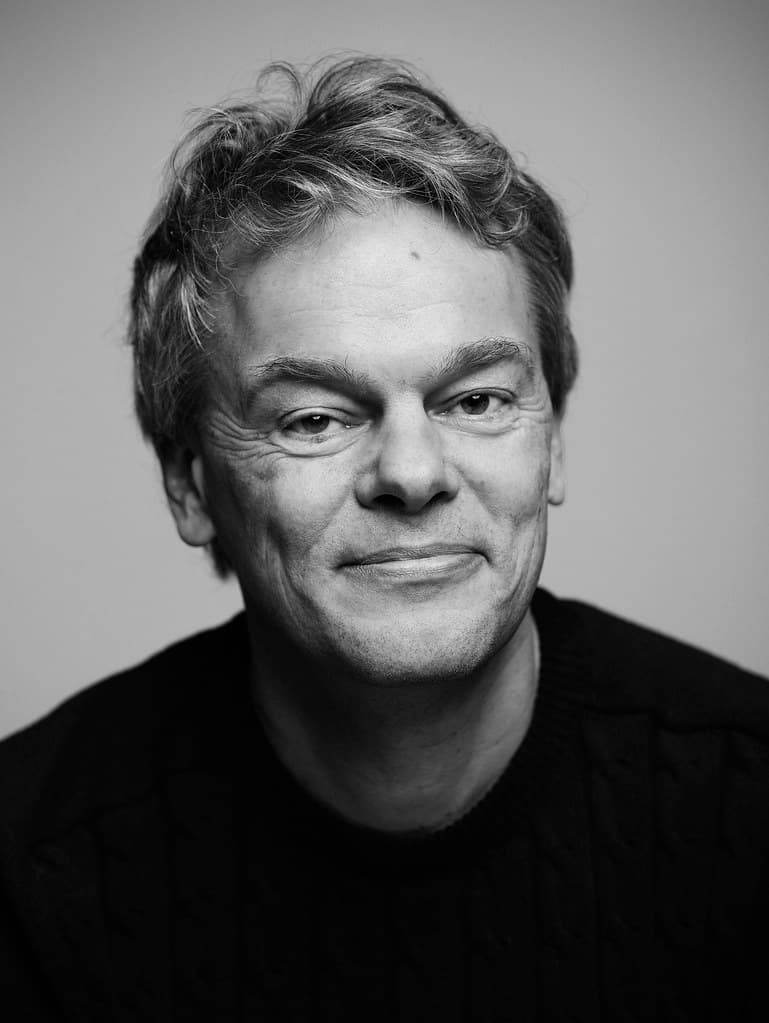

Founder & CEO, Emotiv
Pioneering the future of brain-computer interface technology.
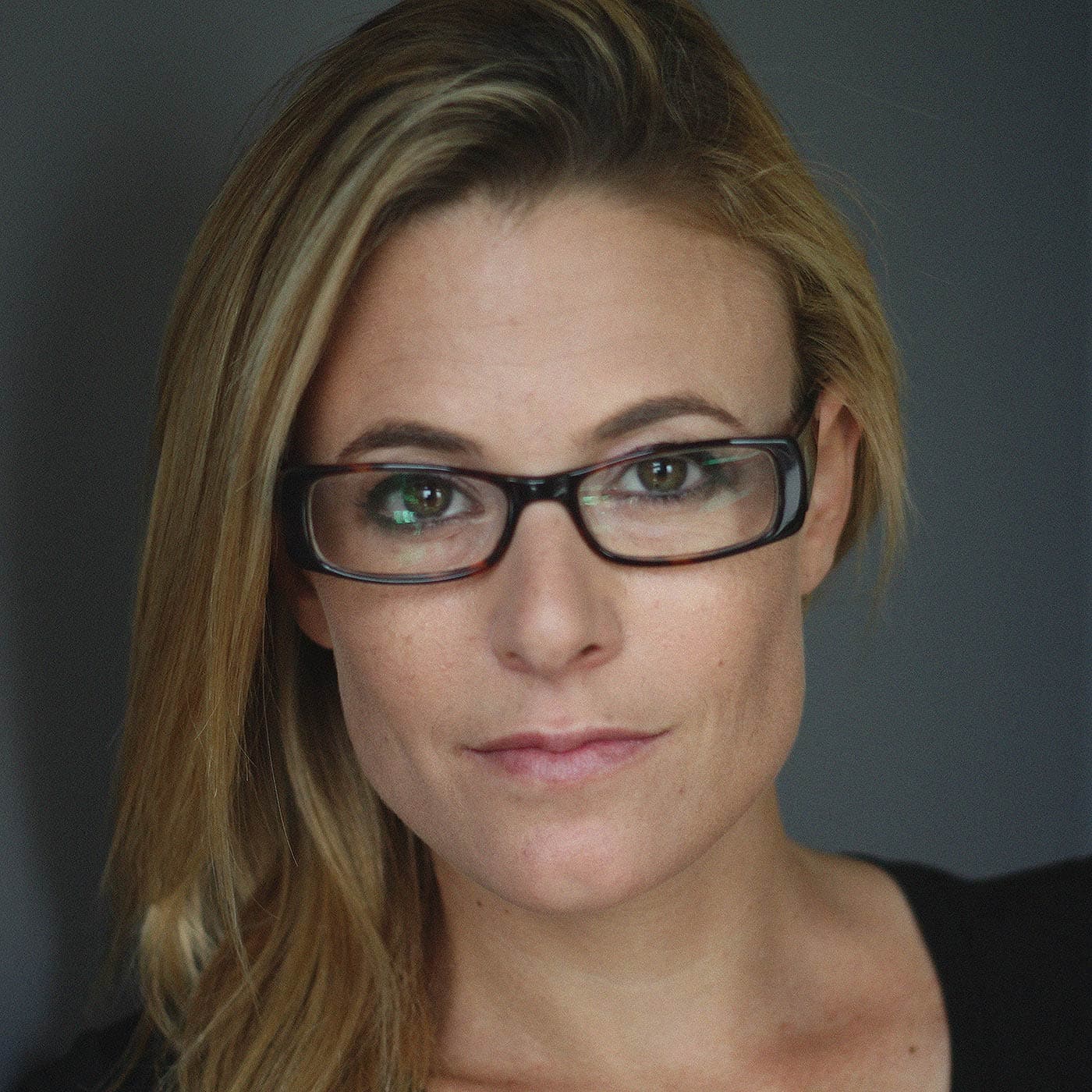
Expert on Decision-Making & Optimism Bias; Professor, UCL & MIT (Visiting); Author of The Influential Mind
Pioneering neuroscientist revealing the cognitive power of optimism.
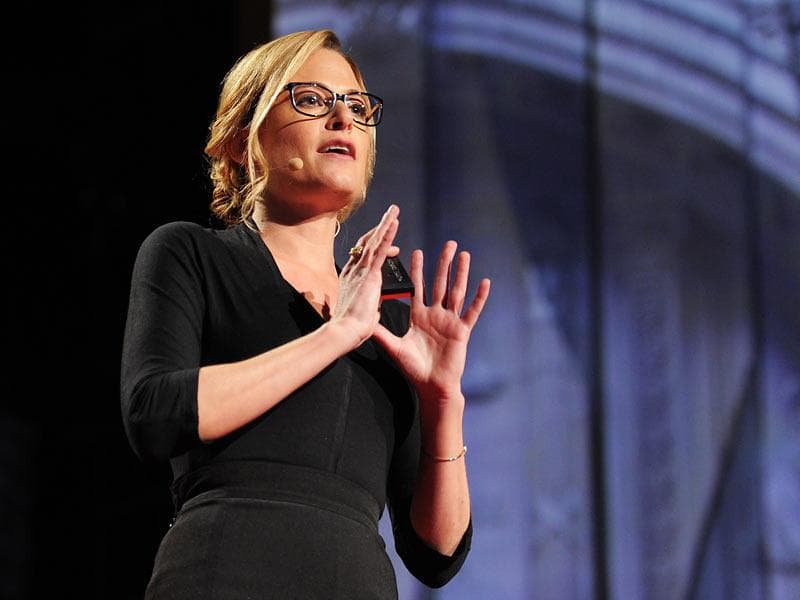

Founder, Flow Research Collective; Expert on Ultimate Human Performance; Bestselling Author
Revolutionizing human potential through flow, innovation, and peak performance.

Cognitive Neuroscientist; Faculty, UC Berkeley Haas School of Business; Founder, Becoming Superhuman Lab
Unlocking productivity through neuroscience to enhance business performance.

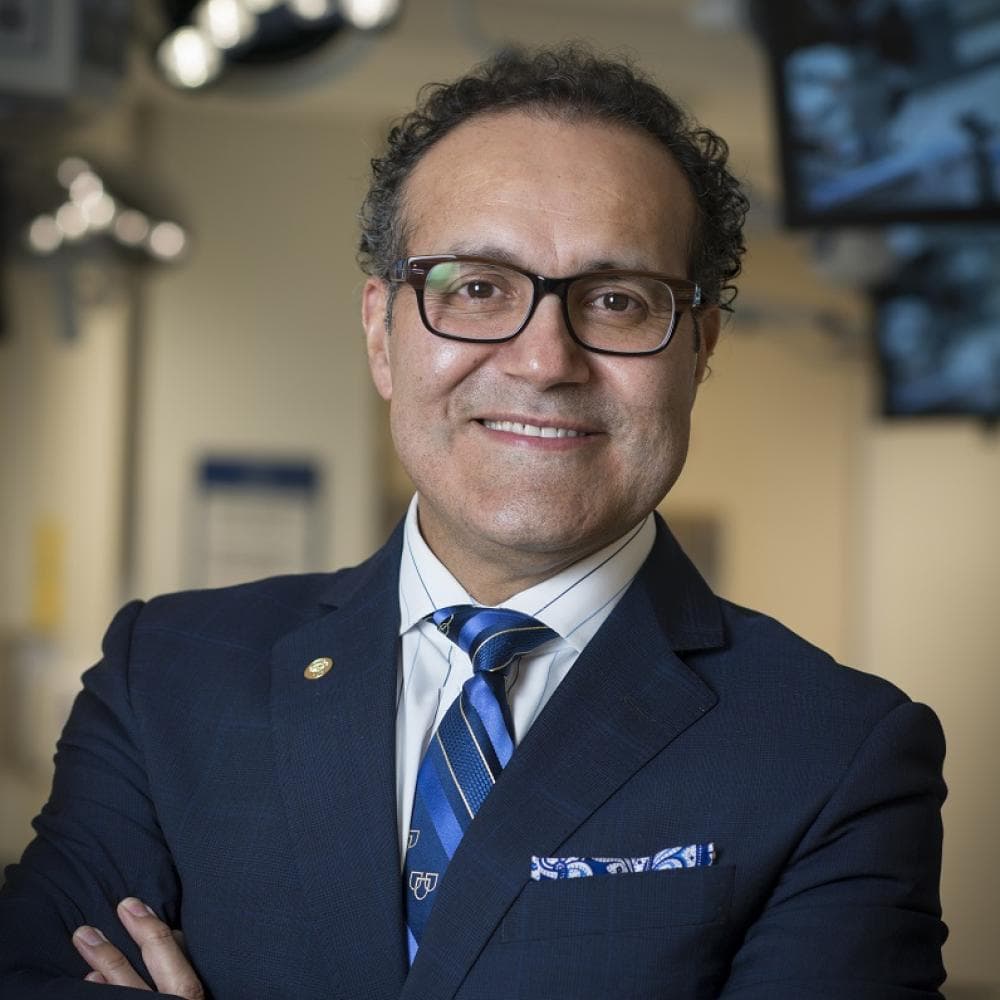
Neurosurgeon & Author of Becoming Dr. Q
A journey from migrant farmworker to world-class neurosurgeon.
We can help you find the perfect speaker for your event, even if they're not listed on our website.
Leadership and performance events often need neuroscience speakers who can connect brain science to attention, stress, judgment, and sustainable output. The best talks help audiences understand how cognitive limits and emotional patterns shape performance far more than willpower alone.
Learning and education conferences benefit from neuroscience keynote speakers who can translate memory, focus, and neuroplasticity into practical insight. In this setting, neuroscience speakers often help audiences think more clearly about how people absorb information and why learning environments matter.
Wellbeing and healthcare forums often book neuroscience speakers when the goal is to ground conversation in evidence rather than trend language. Their perspective is useful for audiences exploring stress, sleep, emotional regulation, and the biological foundations of healthier behavior.
Decision-making is one of the most searched neuroscience subtopics because people want to understand why judgment so often drifts under pressure, speed, or uncertainty. Neuroscience speakers on this area can explain cognitive bias, reward systems, and attention limits in ways that help leaders make better choices. For organizations, that has real consequences in strategy, hiring, risk, and everyday management.
The field has gained wider relevance through neuroplasticity, which has changed how many audiences think about learning, adaptation, and behavioral change. Neuroscience keynote speakers covering this subtopic explain how the brain rewires through repetition, environment, and attention. This is especially relevant for teams working on reskilling, performance improvement, and long-term capability building.
Stress and focus matter because brain performance is shaped by energy, emotional load, sleep, and the ability to regulate attention. Neuroscience speakers on this theme can help decision-makers and teams understand why overload weakens clarity, memory, and self-control. It is a highly practical subtopic for workplaces trying to improve resilience, concentration, and better performance under pressure.