Your enquiry list is empty
Add speakers to your enquiry list by clicking the "Add to Enquiry List" button on their profile.
Design is often misunderstood as a finishing layer added after strategy is done. In reality, it shapes how people understand products, move through systems, interpret information, and form judgments about usefulness, trust, and quality. That is why design speakers are increasingly booked for innovation conferences, leadership offsites, product events, and transformation programs....
Popular design keynote speakers include Dan Germain, Steve Wozniak, Bjarke Ingels, and Nadja Swarovski.
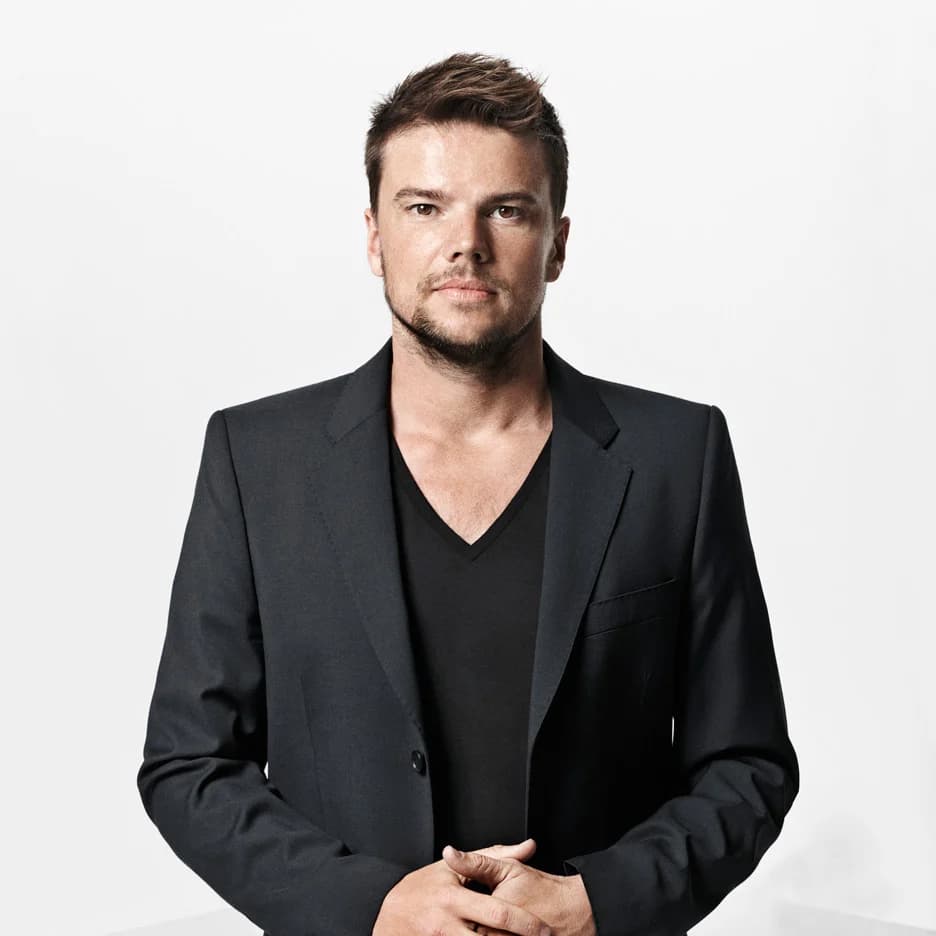
Founder & CEO, BIG-Bjarke Ingels Group; Wall Street Journal Innovator of the Year; Visionary Urbanist
Architect reimagining urban spaces through sustainable, playful innovation.
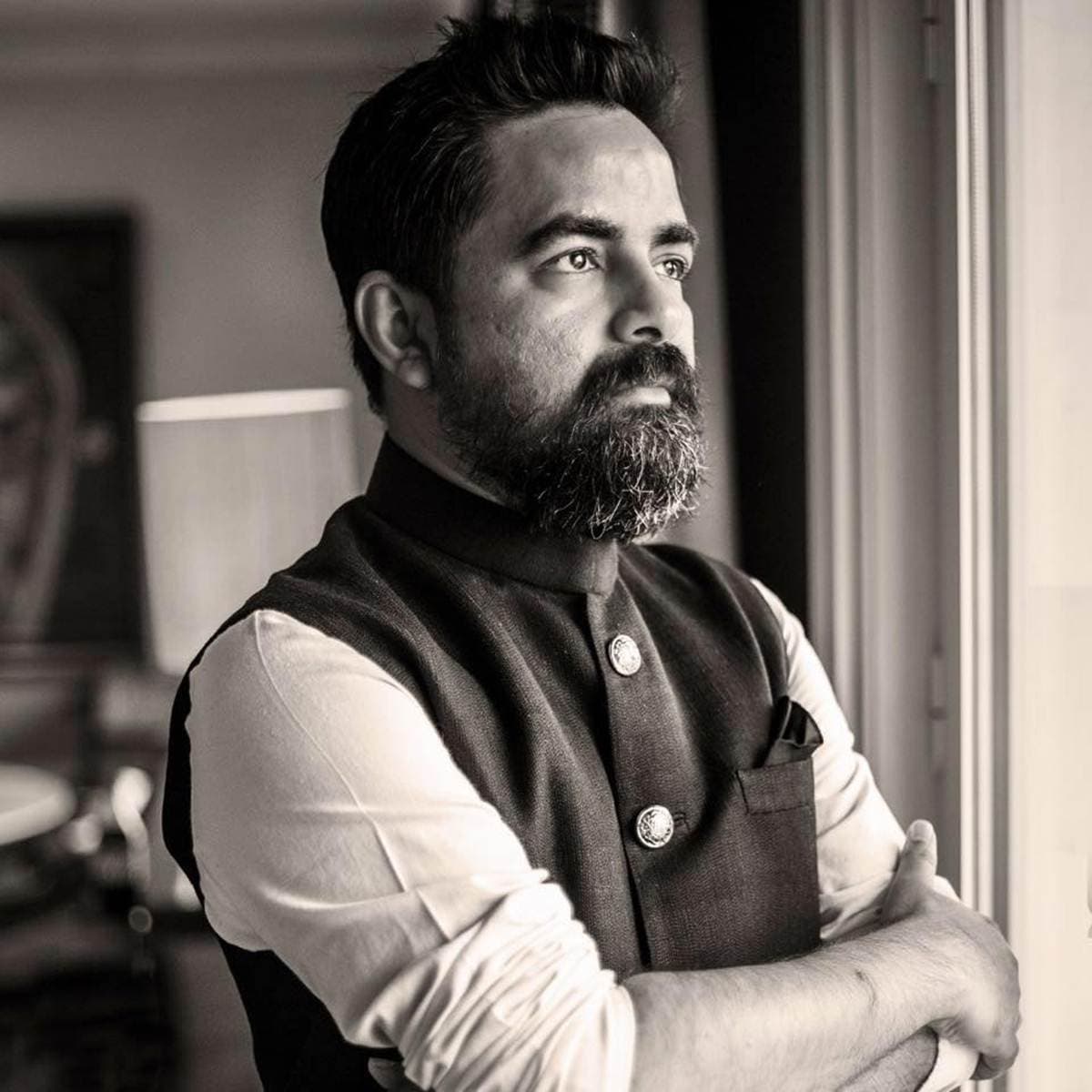
Founder, Sabyasachi Label; Only Indian Designer at NY, Milan, and London Fashion Weeks; Youngest Board Member, National Museum of Indian Cinema
Redefining Indian couture with tradition, luxury, and global vision.
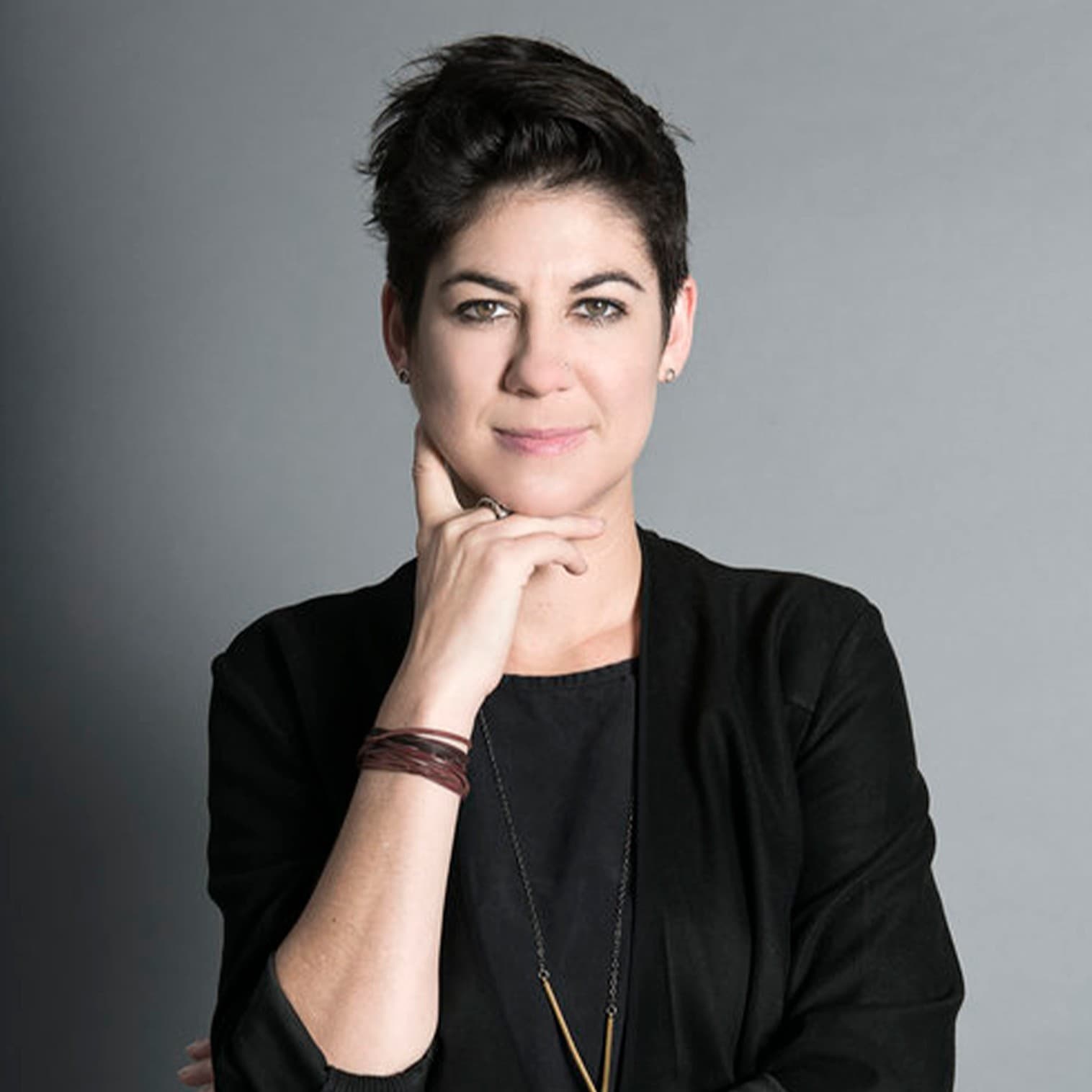
Sociologist, Designer & Sustainability Strategist
A disruptive designer on a mission to make the world better.

Game Design Pioneer; Media Theorist & Entrepreneur
A critical observer of the hidden forces shaping our world.
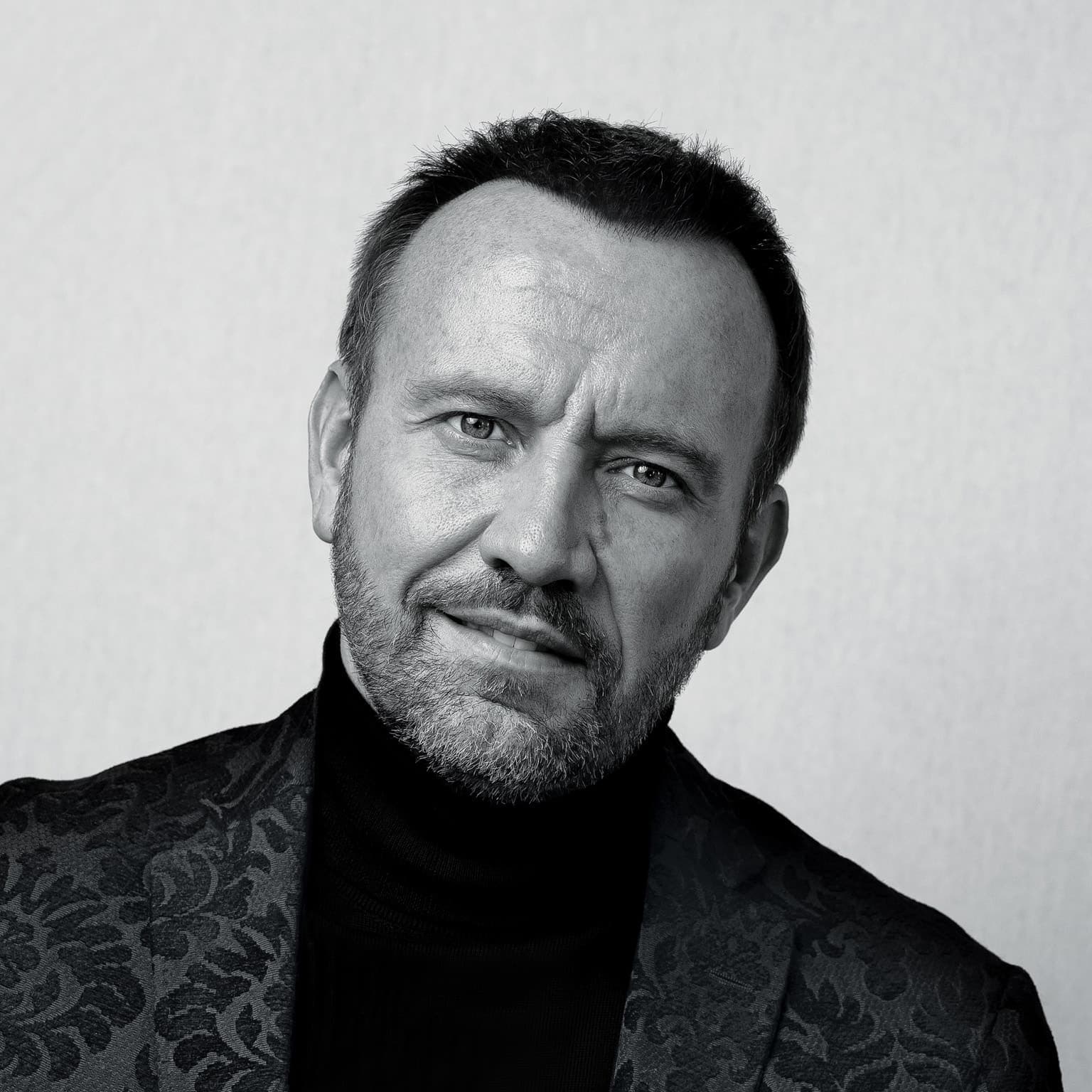
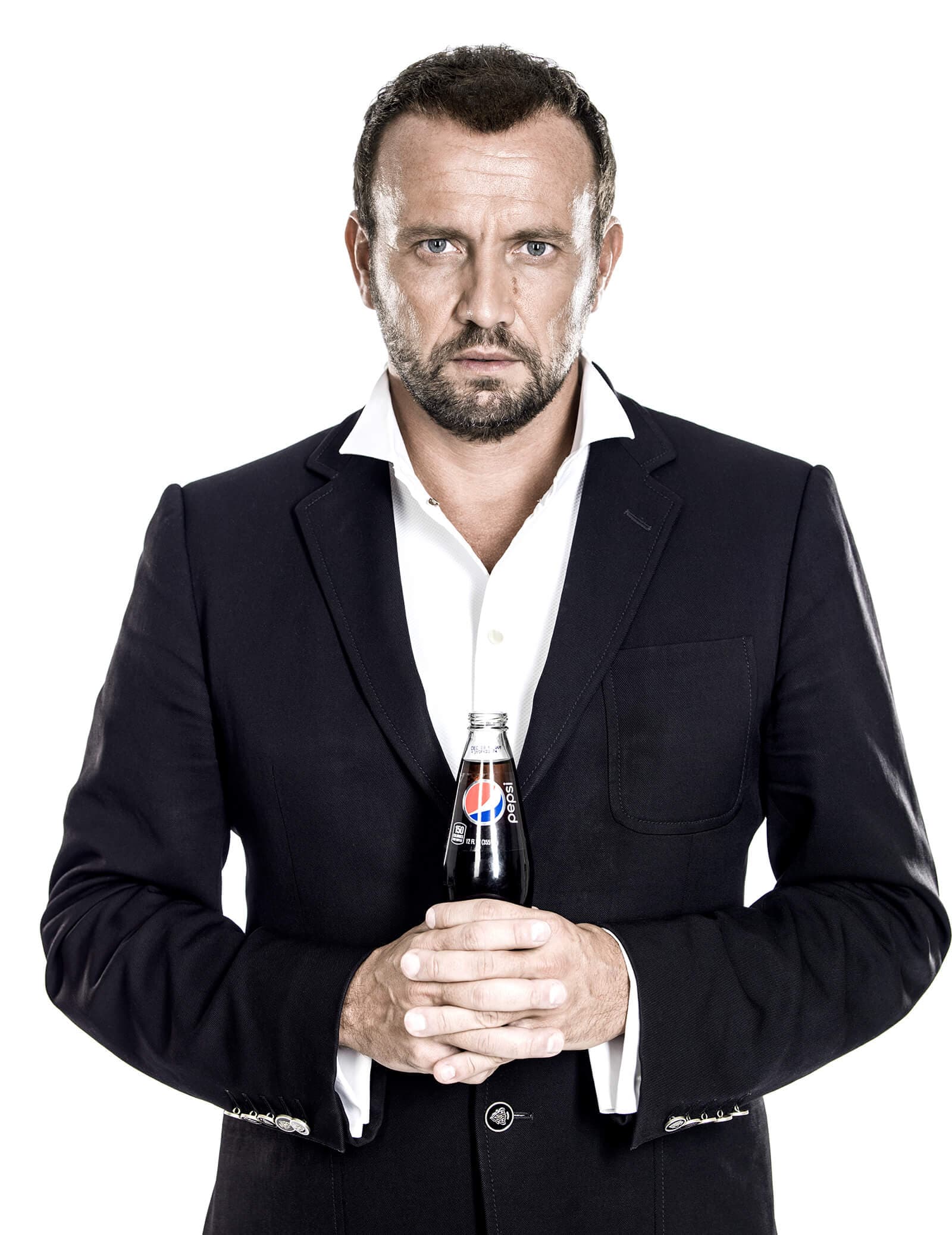
President & Chief Design Officer, Samsung Electronics; Former Chief Design Officer, PepsiCo; Author of The Human Side of Innovation
Leading a design revolution from the inside out.
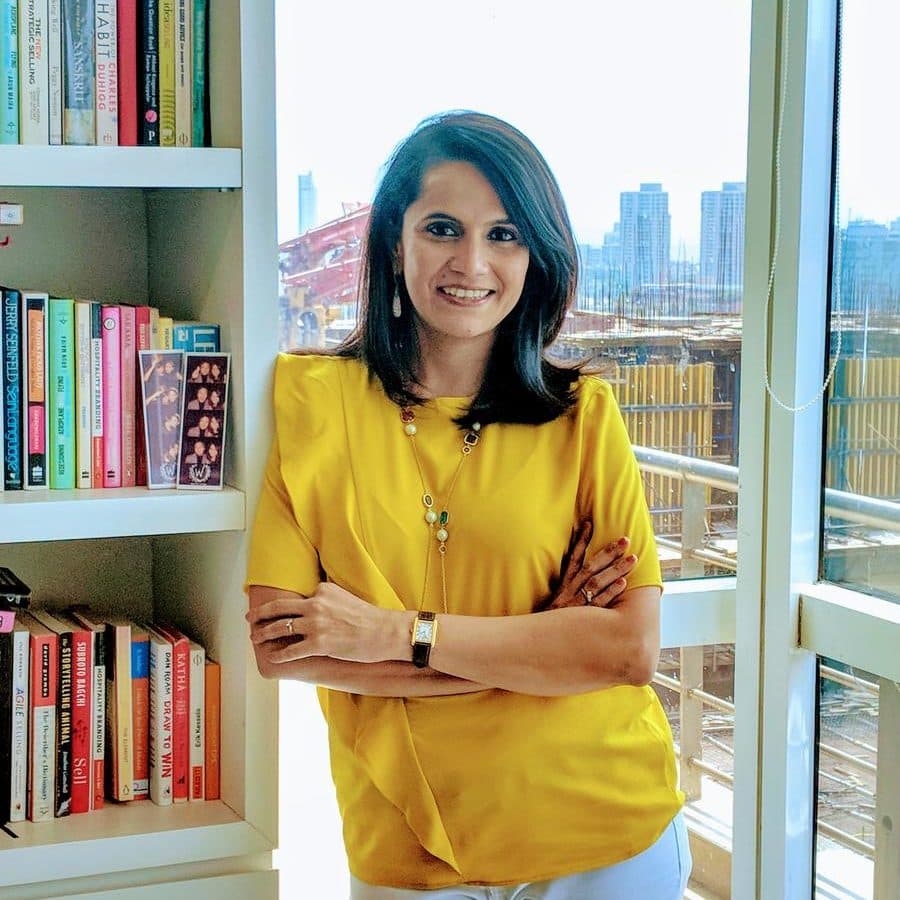
President, Asia Pacific & Managing Director, Landor; Brand & Design Evangelist; Expert in Global Brand Transformation
Pioneering brand transformation through strategic insight and design.


Designer, Entrepreneur & Urban Regenerator
Revitalizing cities and industries through ethical design principles.

Co-Founder, 3 Big Things; Design Strategist & Storyteller
Helping organizations think deeper, design better, and transform together.
We can help you find the perfect speaker for your event, even if they're not listed on our website.
Innovation and product events often invite design speakers who can show how better design thinking leads to more useful products, stronger adoption, and clearer problem-solving. These sessions are especially valuable when teams need to connect creativity with functionality and commercial relevance.
Leadership offsites benefit from design keynote speakers who can challenge narrow views of design as styling alone. The topic becomes especially relevant when executives are rethinking customer journeys, product direction, internal systems, or how teams work through complexity.
At customer experience and brand forums, design speakers can help audiences think about usability, interaction, perception, and coherence across touchpoints. This format works well when organizations want a stronger understanding of how design influences trust, clarity, and user response.
User experience design remains one of the most commercially relevant subtopics because usability directly affects conversion, adoption, retention, and trust. Design speakers covering this area often explore research, interaction flows, friction points, and behavioral response. For decision-makers, the business consequence is straightforward: when experiences feel confusing or effortful, customers leave, and no amount of branding can fully compensate for poor use.
Product design has become more central as companies compete through experience as much as through features. Design keynote speakers in this area often address how products are shaped through iteration, customer feedback, systems thinking, and cross-functional collaboration. The field is changing because product design now influences not just utility, but the overall relationship between users, technology, and business value over time.
Human-centered design matters because many organizational failures come from building around internal assumptions instead of real user needs. Design speakers use this subtopic to help teams think about empathy, observation, testing, and the discipline of understanding people before committing to solutions. It is especially practical for leaders, designers, and product teams trying to create services, tools, or systems that work well in the real world.