Your enquiry list is empty
Add speakers to your enquiry list by clicking the "Add to Enquiry List" button on their profile.
Design thinking became influential because many organizations discovered that efficiency does not always produce relevance. Teams can execute flawlessly against the wrong assumptions if they never spend enough time understanding people, reframing problems, or testing ideas early. That is why design thinking speakers are now booked not only for innovation teams, but for leadership offsites, product conferences, transformation programs, and capability-building events....
Popular design thinking keynote speakers include Marty Neumeier, Mike Krieger, Tim Brown, Mauro Porcini, and Leyla Acaroglu.

Chair Emeritus, IDEO; Author of Change by Design; Pioneer of Design Thinking
Championing design as a tool for systems change, innovation, and human progress

Co-Founder of Instagram; Chief Product Officer, Anthropic
Designing products that scale from intuition, empathy, and iteration
Author & Brand Strategist
The philosopher-king of modern branding and corporate strategy.

Inventor of the Business Model Canvas; Thinkers50 Top 10 Management Thinker; CEO, Strategyzer
Leading innovation through practical business modeling frameworks.

Management Strategist and Author of Playing to Win
Redefining strategic management through innovative thinking and practical insights.
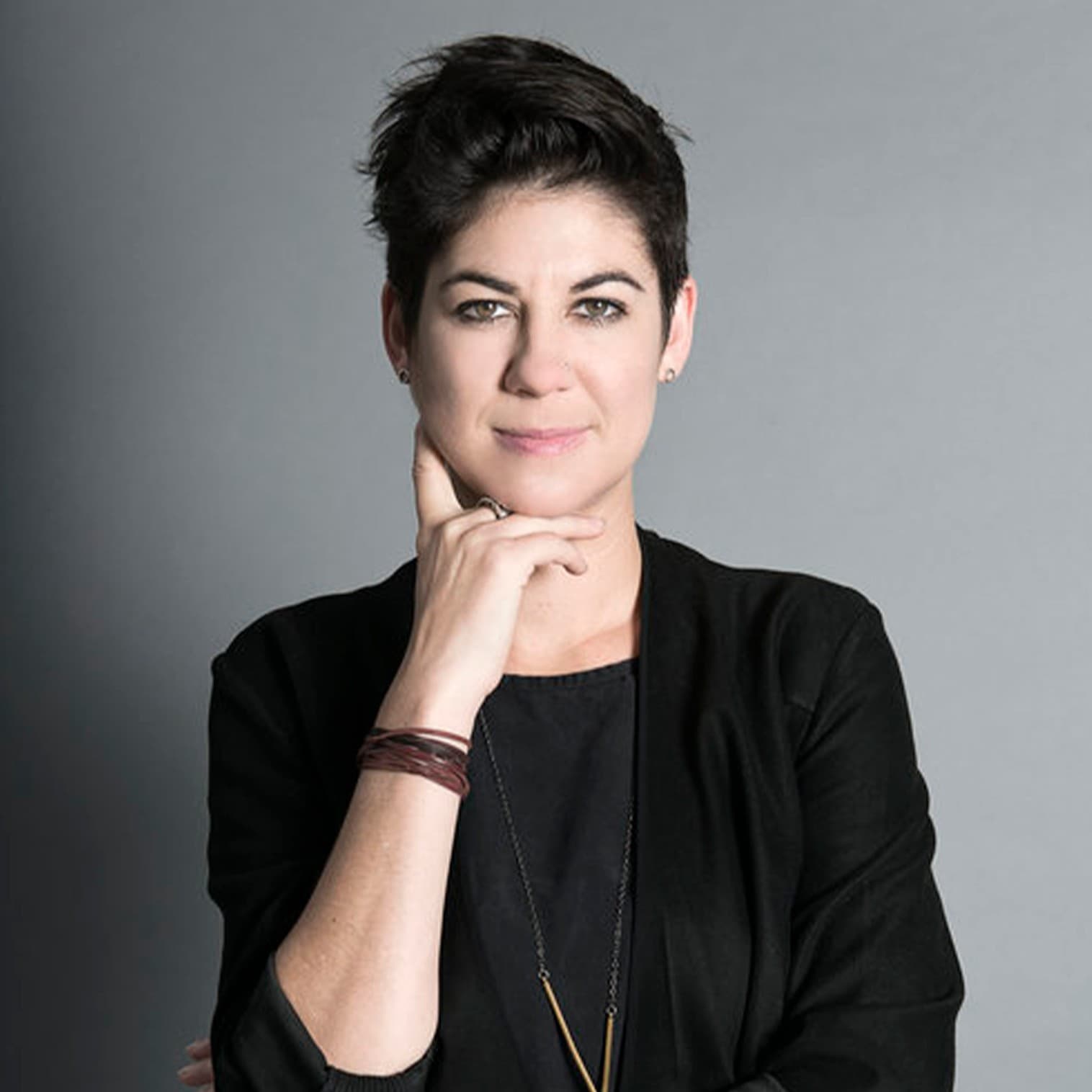
Sociologist, Designer & Sustainability Strategist
A disruptive designer on a mission to make the world better.

President & Chief Design Officer, Samsung Electronics; Former Chief Design Officer, PepsiCo; Author of The Human Side of Innovation
Leading a design revolution from the inside out.


Co-creator of the Business Model Canvas; Top Management Thinker (Thinkers50); Expert in Business Model Innovation
Transforming business through strategic innovation and conceptual clarity.

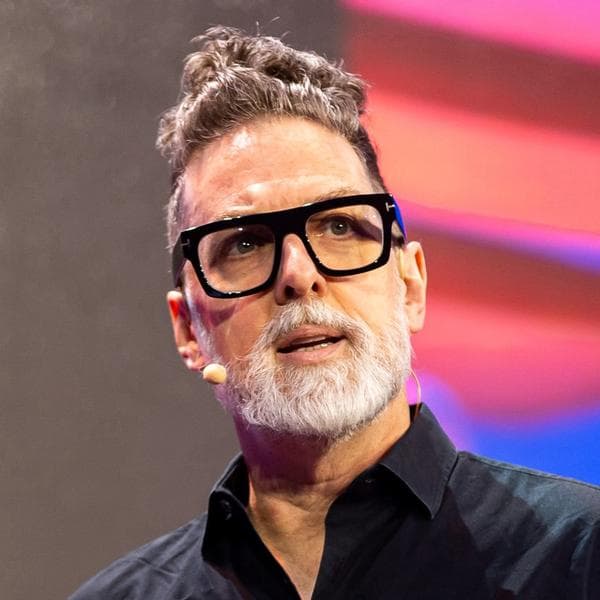
Near Futurist & Innovation Architect; Founder, Redding Futures; Expert in AI and Spatial Computing Strategy
Envisioning a world where emergent tech meets human intention.
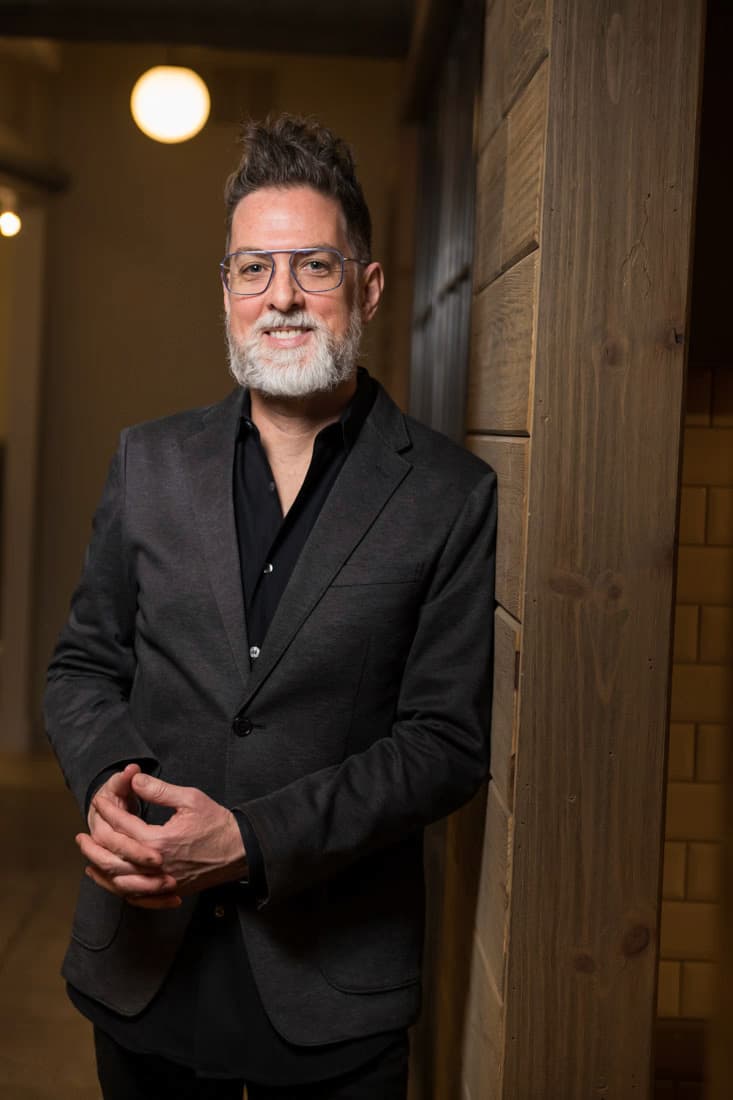

World-Leading Futurist & Tech Strategist; Founder, Women in PropTech; Expert in Digital Transformation
Shaping the future of real estate through tech-driven insights.

President, Asia Pacific & Managing Director, Landor; Brand & Design Evangelist; Expert in Global Brand Transformation
Pioneering brand transformation through strategic insight and design.

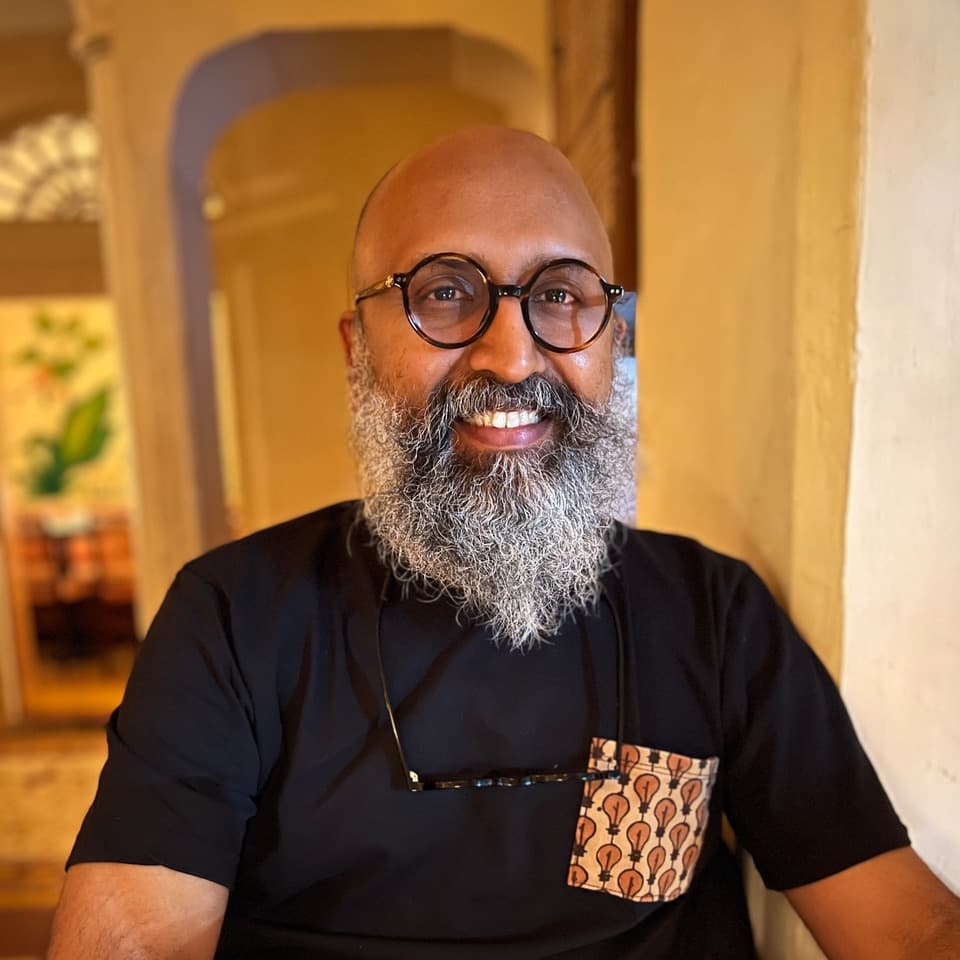
Co-founder, 3 Big Things; Pioneer of Design Thinking in India; Alumnus of IDEO and Harvard Business School (Exec-Ed)
Bringing clarity to complexity through design, behavior, and mindfulness.

Media Artist and Senior Lecturer, University of the the Arts London. Expert in XR and Creative Technologies.
Architect and interdisciplinary artist exploring how technology shapes memory, identity, and immersive storytelling.


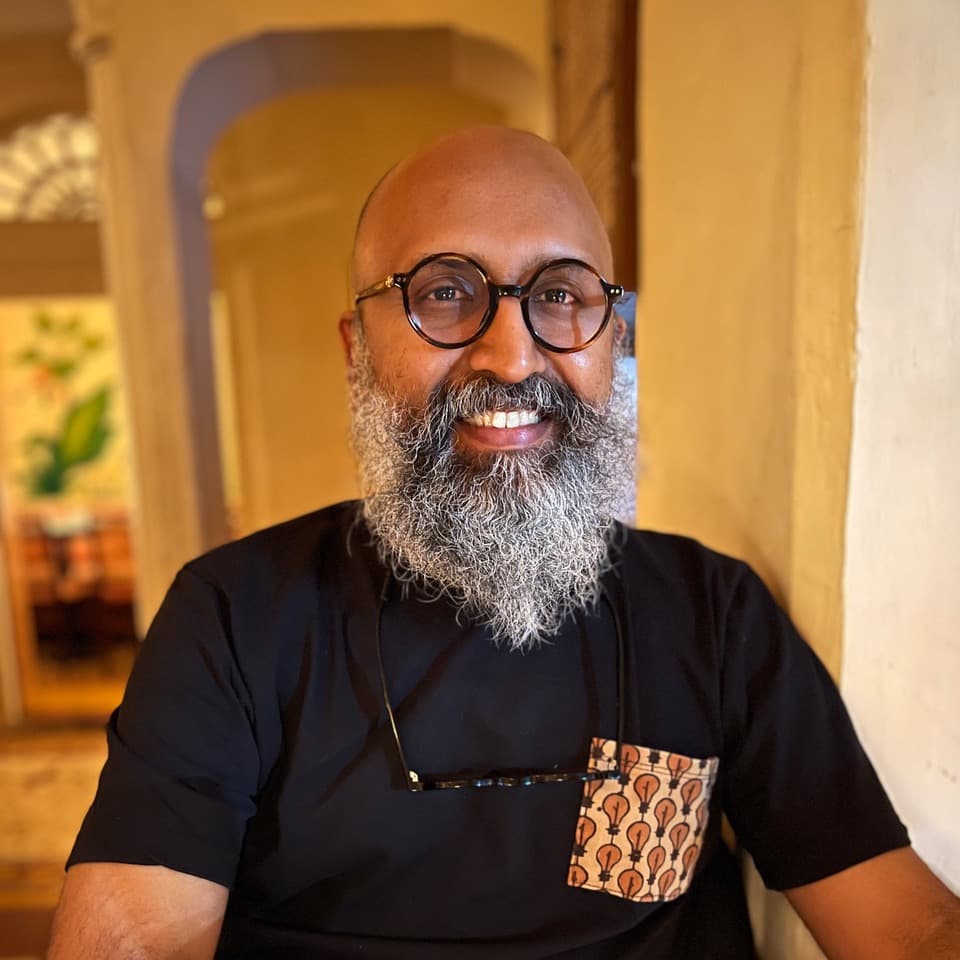
Co-Founder, 3 Big Things; Design Strategist & Storyteller
Helping organizations think deeper, design better, and transform together.
We can help you find the perfect speaker for your event, even if they're not listed on our website.
Innovation workshops often feature design thinking speakers who can help teams move from assumptions to better problem definition and faster experimentation. These sessions are especially useful when organizations want more structured creativity, stronger customer insight, and a clearer path from ideas to testable concepts.
Leadership offsites benefit from design thinking keynote speakers who can challenge rigid planning habits and introduce more adaptive ways of working through uncertainty. The topic is particularly relevant when senior teams need better tools for framing problems, aligning around users, and exploring new possibilities.
Product and service conferences often invite design thinking speakers to connect human insight with better development choices. This format works well when the audience is focused on usability, customer journeys, prototyping, and cross-functional collaboration around what should be built and why.
Human-centered innovation remains one of the most searched and useful subtopics because it shifts attention from internal assumptions to real user needs. Design thinking speakers covering this area often explain how observation, empathy, and iterative testing improve relevance. For organizations, the business consequence is meaningful: better innovation happens when teams solve the right problem before scaling the wrong solution.
Prototyping and experimentation have become more important as markets reward speed but punish expensive certainty. Design thinking keynote speakers in this area often explore low-risk testing, rapid iteration, and learning before full investment. The field is changing from long linear planning cycles toward a more adaptive model where ideas gain credibility through evidence, feedback, and repeated refinement rather than presentation alone.
Problem solving and ideation matter because many teams rush toward solutions without spending enough time reframing the challenge. Design thinking speakers use this subtopic to help leaders and teams generate stronger options, surface hidden assumptions, and improve collaboration across disciplines. It is especially practical for organizations facing ambiguous customer, service, or operational problems where standard playbooks no longer produce fresh answers.