Enquiry List

Your enquiry list is empty

Add speakers to your enquiry list by clicking the "Add to Enquiry List" button on their profile.

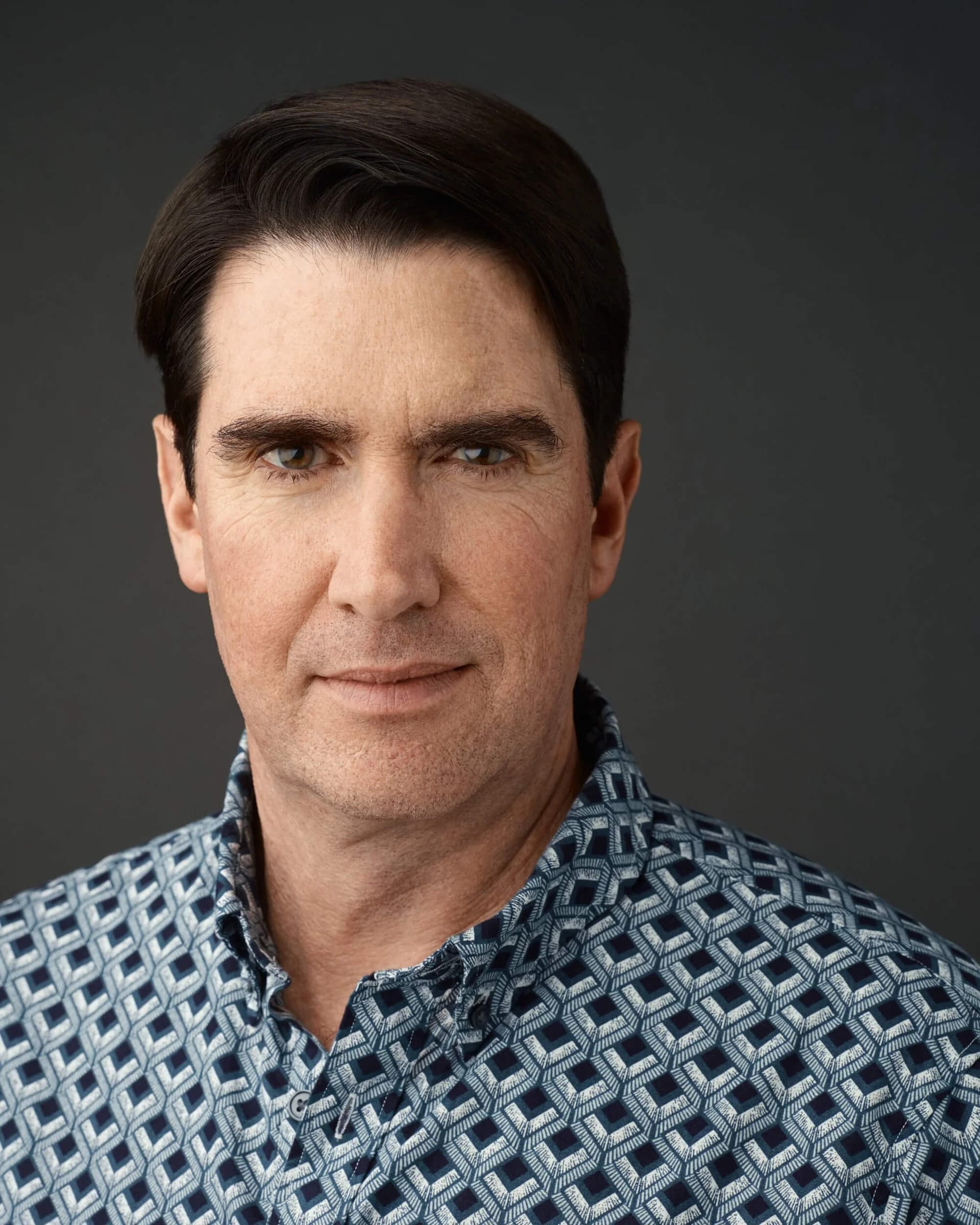
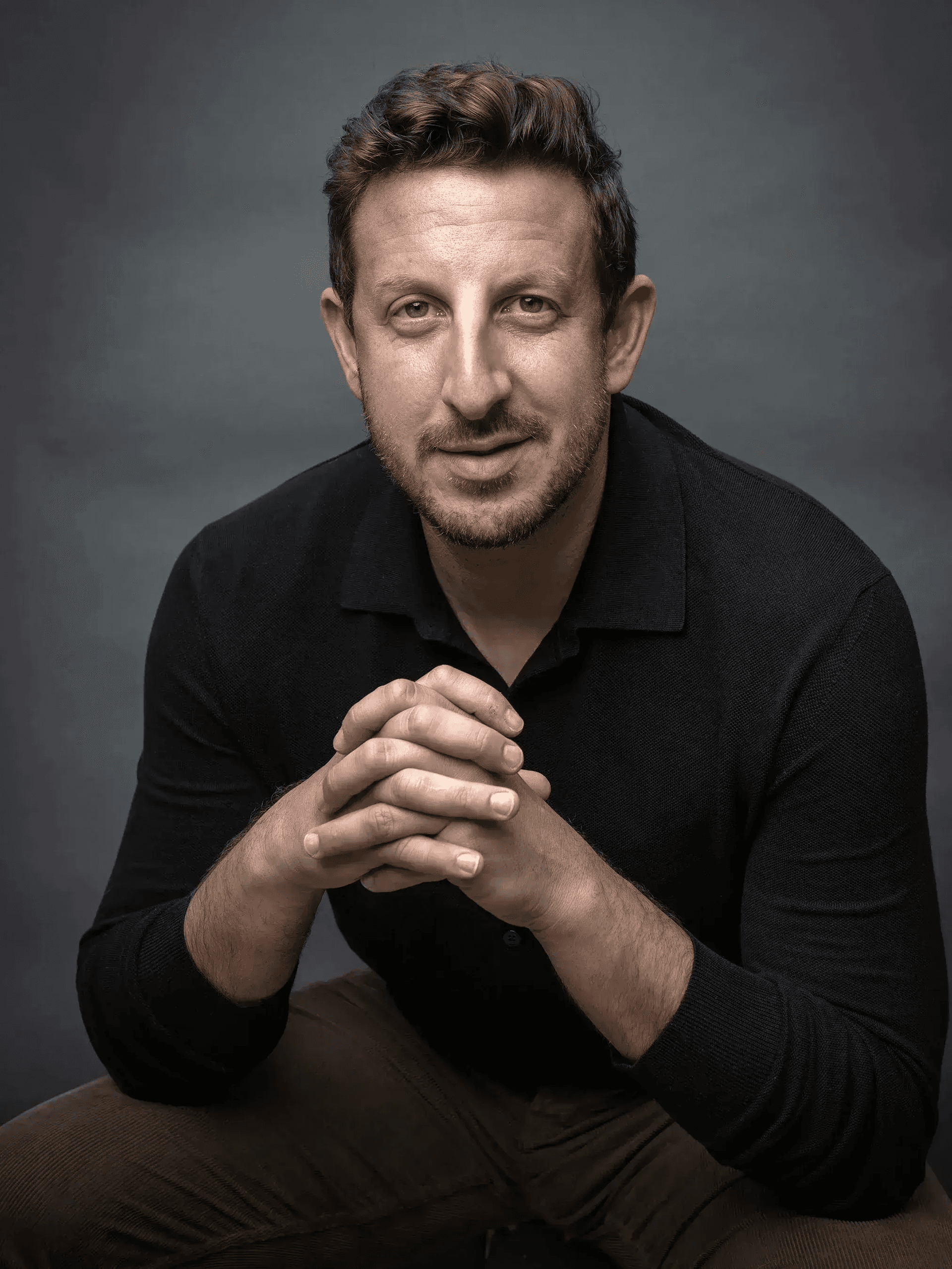
Ravin Raori

Technology is shaping how we remember, imagine and dream about our collective experience. My work searches for the human stories in between.

Ravin Raori

Media Artist and Senior Lecturer, University of the the Arts London. Expert in XR and Creative Technologies.

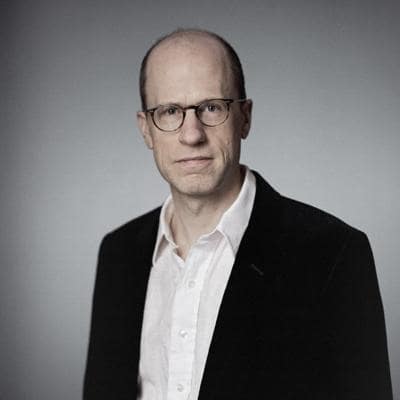
Ravin Raori is an architect, creative producer, interdisciplinary artist and educator. He is a Senior Lecturer in Narrative Media at University of the Arts London.

Ravin’s practice integrates architecture, moving image, performance and emerging technologies to construct transformative spatial and narrative experiences. His research examines how technological systems mediate human experience, memory and collective futures, often manifesting through immersive media, mixed-reality installations and films.

His recent projects include Lines that Divide Us, a mixed-reality film and installation about the Partition of India developed during an arts residency at Zurich University of the Arts and Kornhausforum Bern; Dancing Lady, an ongoing exploration inspired by Indian modernist painter Jamini Roy that examines modernism, embodiment and material storytelling through textile and motion capture, developed in collaboration with researchers at London College of Fashion and further industry partners; and Counterproductive, a co-created film and interactive installation investigating biases rooted in gender identity within systems of Artificial Intelligence. The film has received multiple international awards, screening at art and film festivals across the world.

His work has been exhibited internationally, including at the Venice Biennale, Ars Electronica, Tate Britain and Kornhausforum Bern.

Ravin was part of the Creative Producer Programme at Ars Electronica, where he (along with 22 other creative practitioners) co-authored A Manifesto for Creative Producing, presented in various formats at the 2021 and 2023 editions of the festival.

He holds a Master of Architecture (Distinction) from The Bartlett School of Architecture, University College London, and a Bachelor of Architecture from The University of Hong Kong. He is also a Fellow of Advance HE and holds a Postgraduate Certificate in Academic Practice (Distinction) from UAL.
Artificial Intelligence
Creativity
Design
Design Thinking
User Experience (UX) & Design Thinking

Recent Topics

Algorithmic Futures and Uncertainty

Algorithmic systems shape our collective sense of the future, where uncertainty is both a creative and political condition. Drawing from my research into AI-driven narratives and socio-technical systems, I explore how bias and exclusion become encoded in models that increasingly influence decision making, representation and prediction. Rather than treating algorithms as neutral tools, the talk investigates them as cultural objects shaped by human assumptions, historical power structures and data legacies. Through examples from creative technology, interactive media and mixed reality practice, I consider how designers, artists and educators can intervene in algorithmic imaginaries, making space for ambiguity, nuance and more equitable futures. The session invites audiences to critically reflect on who gets to participate in technological world building, and how we might embrace uncertainty as a site of possibility rather than a problem to solve.

Relationality in Intermedial Architecture

This talk explores how media architecture and immersive storytelling can become tools for amplifying the voices and experiences, particularly of marginalised communities. Drawing from my practice across installation, XR and narrative media, I examine how spatially embedded storytelling creates new forms of experience and agency. The session reflects on how cultural histories, social frictions and lived experiences can be woven into public and semi-public environments, transforming them into platforms for representation and dialogue. Case studies from collaborative projects demonstrate how community led storytelling can resist erasure, challenge dominant narratives and open up alternative ways of placemaking. Participants will gain insights into designing spaces that listen, respond and adapt, spaces where technology does not overshadow the human, but instead deepens our capacity to see and hear one another.

Algorithmic Memories and Reconstruction

This talk reflects on how AI can help us reconnect with histories that are fragile, dispersed or marked by unresolved trauma. Drawing from my research and mixed-reality film on the Partition of India, I explore how emerging 3D tools can transform archival photographs and personal objects of memory into digital artefacts that allow communities to re-engage with difficult pasts in new ways. Rather than treating technology as a means of restoration, the session considers reconstruction as an interpretive and emotional process that can support healing across generations. I examine the ethical responsibilities involved in reanimating cultural or traumatic histories and ask how artists and technologists can work with care, consent and authenticity. Through creative practice and critical reflection, the talk proposes how AI might serve as a gentle mediator for remembrance, offering pathways for understanding and processing collective wounds while remaining aware of the risks of distortion.

AI in Design and Education

This talk explores how AI is reshaping creative practice in design education, particularly from a hands-on making perspective. As new tools for image generation, 3D modelling, simulation and real-time interaction continue to evolve, students are redefining what it means to prototype, test and produce work. I share insights from my teaching practice, where AI has become part of an expanded toolkit rather than a shortcut, allowing students to work faster, iterate more widely and imagine new possibilities. The session reflects on the implications of these shifts for both the creative industries and higher education, asking how we adapt to this constantly shifting landscape. Through examples, trends and strategies, the talk offers ways for educators, designers and institutions to stay responsive, foster critical engagement and prepare students for a future where making and machine intelligence are increasingly intertwined.

Media

Counterproductive, Research on AI and Bias — video

Counterproductive, Research on AI and Bias

Books